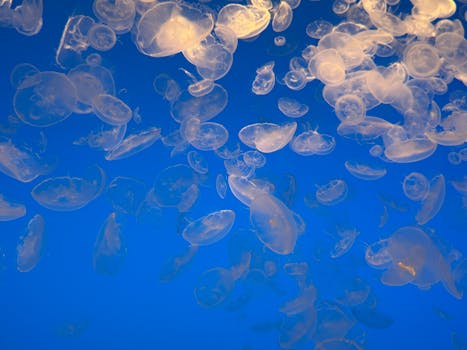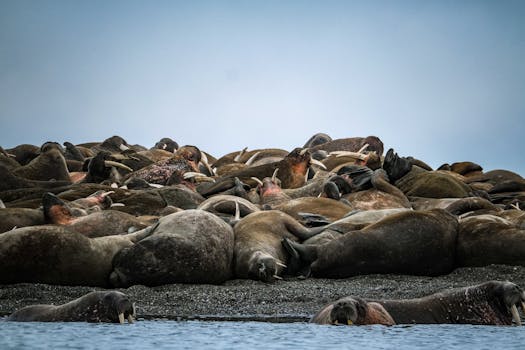
Marine animals, a diverse and integral part of our planet’s ecosystems, exhibit a range of fascinating behaviors and biological adaptations. These creatures, varying from microscopic plankton to the vast blue whale, contribute significantly to the health of both marine and terrestrial environments, impacting human life in numerous ways.
Table of Contents
- Characteristics, types, and importance of marine animals
- How do marine animals contribute to ecosystems?
- What are some unique adaptations of marine animals?
- Which marine animals are endangered and why?
- How do marine animals communicate underwater?
- What are the most fascinating deep-sea creatures?
- How do marine animals hydrate and breathe?
- What is the role of plankton in the marine food chain?
- Related questions about marine animal diversity and conservation
Characteristics, types, and importance of marine animals
The world’s oceans are teeming with life, hosting a variety of species with unique characteristics. Marine animals are categorized based on their habitat, diet, and physical attributes. From the shallows to the abyssal depths, each creature plays a pivotal role in the oceanic food web. The importance of marine biodiversity cannot be overstated, as it ensures the stability and resilience of ocean ecosystems.
Examples of fascinating marine life range from the intelligent octopus to the regenerative starfish. Each species is a vital part of the marine chain, contributing to the balance of their respective environments. The ocean’s health is directly linked to these animals, making their conservation a priority for environmentalists and marine biologists alike.
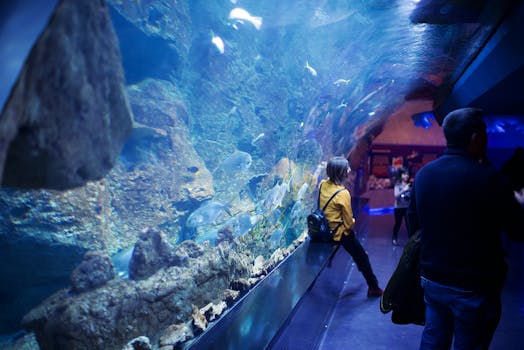
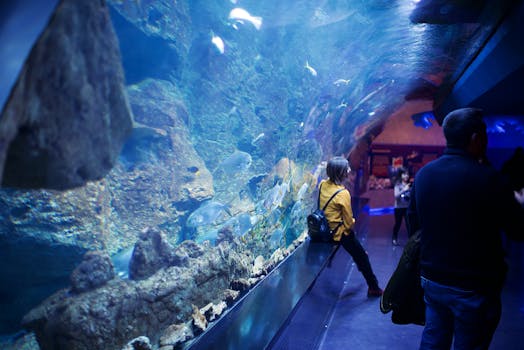
Marine species are not only important for their ecological roles but also for their contributions to human economies and cultures. Fisheries, tourism, and even medicines derived from marine organisms are testament to the importance of marine biodiversity.
How do marine animals contribute to ecosystems?
The contributions of marine animals to ecosystems are as vast as the oceans themselves. They participate in nutrient cycling, help maintain the health of coral reefs, and even influence climate regulation. Many marine species are also involved in bioturbation, a process of reworking sediments which helps in nutrient redistribution.
Plankton, the foundation of the marine food chain, supports a complex network of life forms. Predators like squids and sea snakes help to keep the population of other species in check, preserving a healthy balance within the ecosystem. Additionally, animals such as sea turtles and fish play a critical role in seed dispersal, supporting mangrove forests and seagrass beds.
The ocean ecosystems are a complex web of interdependent relationships, where the removal or decline of one species can have cascading effects. Therefore, the protection of these species is essential for the continued health and productivity of the oceans.
What are some unique adaptations of marine animals?
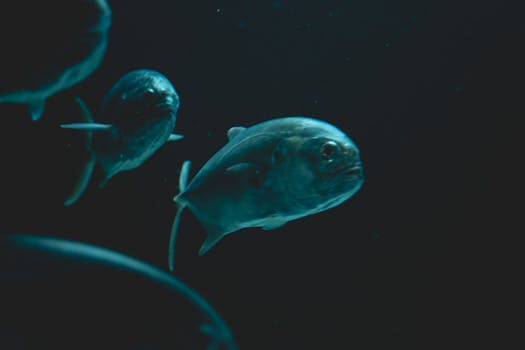
Life in the ocean demands an array of specialized adaptations. Unique adaptations of sea creatures include the ability to live under extreme pressure in the deep sea, the use of bioluminescence for communication and predation, and advanced camouflage techniques to evade predators or sneak up on prey.

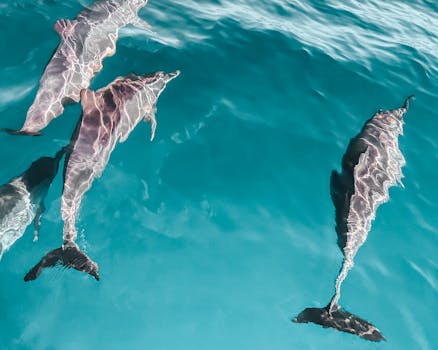
Marine mammals such as dolphins and whales have evolved sophisticated echolocation abilities to navigate and hunt in murky waters. Likewise, sea snakes and some species of fish have developed salt glands to excrete excess salt from their bodies, allowing them to survive in a range of salinities.
Deep-sea creatures often exhibit survival strategies of deep-sea creatures, such as slow metabolism and the ability to withstand high levels of ammonia, which is toxic to most other animals. These adaptations are a testament to the incredible resilience and ingenuity of life in the ocean.
Which marine animals are endangered and why?
- Climate change and its associated effects, like ocean acidification and rising sea temperatures, pose significant threats to marine life.
- Overfishing has decimated populations of various species, disrupting food webs and leading to the decline of predators and competitors.
- Habitat destruction, whether through coastal development, bottom trawling, or pollution, removes the homes and breeding grounds of countless marine animals.
- Bycatch, the unintentional capture of non-target species, results in the death of millions of marine animals each year.
- Endangered marine species conservation is thus crucial to prevent the extinction of vulnerable species such as certain sharks, turtles, and marine mammals.
How do marine animals communicate underwater?
Underwater communication among marine animals is a field that fascinates scientists and laypeople alike. Sound travels faster in water than in air, and many marine species have evolved to take advantage of this. Whales are renowned for their complex songs and calls, which can travel enormous distances in the ocean’s depths.
Other forms of communication include visual signals, such as the color changes in cuttlefish or the intricate dances of some fish species. Chemical cues also play a role in underwater communication, with animals releasing substances that can attract mates or signal distress.
Marine animals also utilize tactile communication, with creatures like octopuses and squid using their tentacles to interact with one another. This multifaceted communication is vital for survival, enabling species to mate, hunt, and avoid predators.
What are the most fascinating deep-sea creatures?
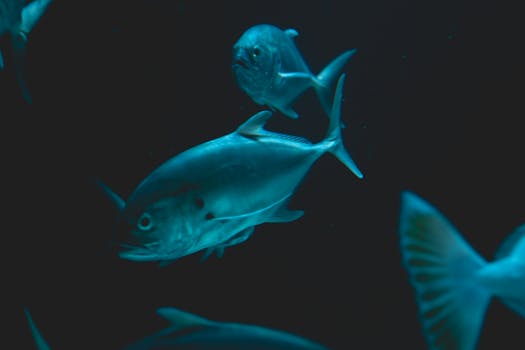
The deep sea is home to some of the most remarkable creatures on Earth. Many of these animals appear alien to us, adapted to survive in an environment devoid of light and under immense pressure. The yeti crab, for instance, has specialized limbs that cultivate bacteria for food, while the anglerfish uses a natural lure to attract prey in the darkness.
The cigar shark, despite its small size, is a proficient predator, and the vampire squid can turn its cape inside out to protect itself from harm. These are just a few examples of the extraordinary adaptations found in deep-sea life.

Deep-sea exploration has unveiled a fraction of the incredible diversity that exists in the ocean’s depths, highlighting the need for continued research and environmental conservation efforts to protect these unique and often vulnerable species.
How do marine animals hydrate and breathe?
Marine animals have evolved various methods to stay hydrated and breathe in their salty environment. Most fish absorb water through their skin and gills, a process that also allows them to take in oxygen. Marine mammals, on the other hand, get their water from the food they eat and by producing metabolic water.
Breathing techniques among marine animals vary from gills in fish to lungs in marine mammals, which must surface for air. Some species, like sea turtles, can hold their breath for several hours, while others, such as dolphins and whales, have developed blowholes to efficiently exchange air at the surface.

Efficient osmoregulation and respiratory systems are essential for marine life adaptations, enabling these animals to thrive in diverse aquatic environments.
What is the role of plankton in the marine food chain?
Plankton, microscopic organisms drifting in the ocean currents, are the backbone of the marine food chain. Phytoplankton, the plant-like component of plankton, harnesses the sun’s energy to produce food through photosynthesis, serving as a primary food source for a multitude of marine animals.
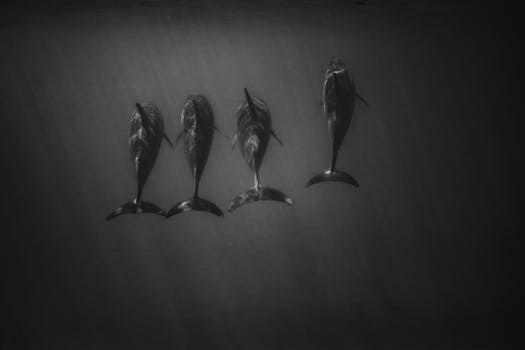
Zooplankton, the animal-like plankton, consumes phytoplankton and, in turn, becomes a meal for larger species. This transfer of energy up the food chain sustains a variety of life forms, from small fish to the largest whales.
The role of plankton is not confined to feeding marine species; it also plays a significant part in carbon sequestration, helping to mitigate climate change by absorbing carbon dioxide from the atmosphere.
Related questions about marine animal diversity and conservation
What types of marine animals exist?
Marine animals encompass a broad range of species from several taxonomic groups, including mollusks like squids and octopuses, echinoderms such as starfish and sea urchins, and chordates like fish, sea snakes, and marine mammals. Each group contributes uniquely to the ocean’s biodiversity.
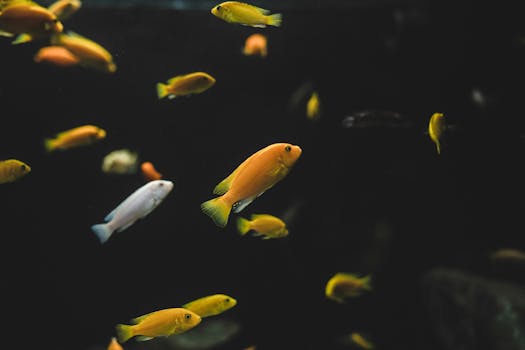
Marine biodiversity is characterized by an array of life forms adapted to different marine habitats, from coral reefs to the deep sea. Understanding the vast diversity of marine animals is crucial for effective conservation efforts.
What are 10 aquatic animals?
Among the numerous aquatic animals, some notable examples are dolphins, sharks, rays, jellyfish, coral, sea lions, sea turtles, walruses, manatees, and penguins. These animals represent a sample of the vast array of marine life that inhabits our oceans.
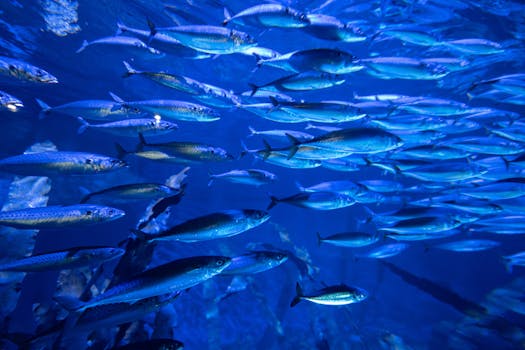
Each of these species possesses unique adaptations that enable their survival, making the study of these marine animals both fascinating and essential for understanding the complexities of aquatic ecosystems.
What are the 10 largest marine animals in the world?
The largest marine animals in the world include the blue whale, whale shark, fin whale, giant squid, great white shark, sperm whale, manta ray, leatherback sea turtle, greenland shark, and the colossal squid. These giants of the deep showcase the incredible range of sizes that marine life can reach.
These marine animals not only impress with their size but also play significant roles in their respective ecosystems, influencing the distribution and abundance of other marine species.
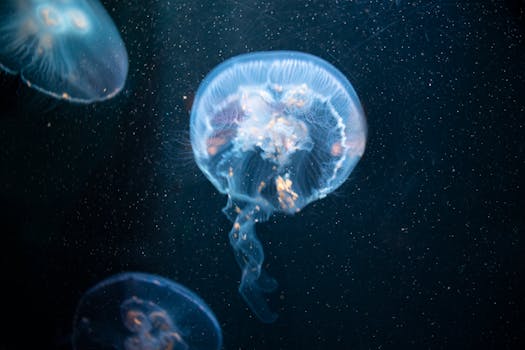
What are the 5 great marine animals?
The “great” marine animals often refer to the larger, well-known species such as the great white shark, humpback whale, giant manta ray, leatherback sea turtle, and the emperor penguin. These animals are recognized for their size, charismatic nature, and the fascination they inspire in humans.
They are also considered key species for marine research and awareness, drawing attention to the need for conservation and the protection of marine habitats.