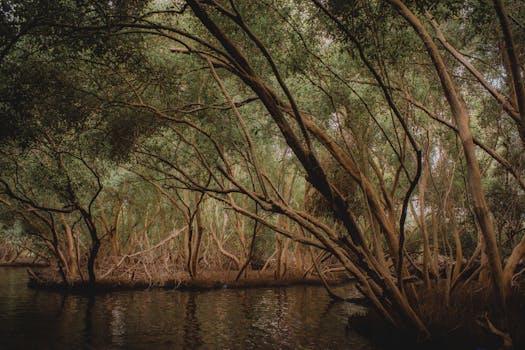
Welcome to the tranquil haven of Marisma Camps, where the serene whispers of nature invite you to a unique getaway. Set in the heart of picturesque landscapes, these camps offer a rare opportunity to immerse oneself in the splendor of coastal ecosystems, teeming with life and biodiversity.
Marisma, a term encapsulating the beauty and ecological significance of wetlands and marshlands, plays a pivotal role in nature’s complex web. Here at Marisma Camps, we embrace the union of environmental sustainability and adventure, providing a gateway to understanding and appreciating these vital ecological wonders.

Table of Contents
- What is Marisma?
- Where are Marisma Camps located?
- What are the activities offered at Marisma Camps?
- What is the importance of Marisma in ecosystem conservation?
- How does Marisma support local economies?
- What are the environmental features of Las Marismas?
- How can Marisma be integrated into sustainable tourism?
- Related questions about marisma ecosystems
What is Marisma?
Derived from the Spanish term for marshland, marisma refers to the rich, fertile wetlands found at the interface of land and water. These ecosystems are known for their dense vegetation and the vital role they play in water purification, flood control, and as a habitat for diverse wildlife species.
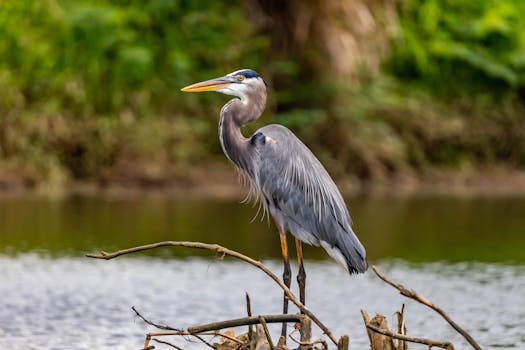
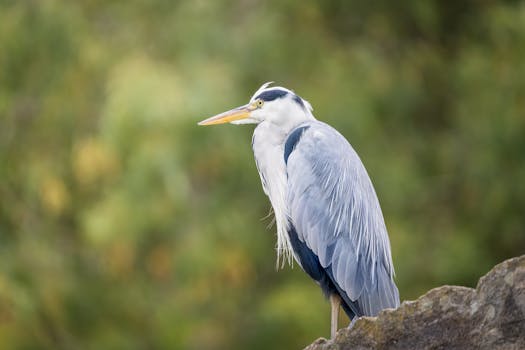
Marisma areas are biodiversity hotspots, crucial for the survival of many migratory bird species, as well as a myriad of aquatic creatures. The ecological significance of marshes cannot be overstated, with their complex food webs and nutrient recycling capabilities.
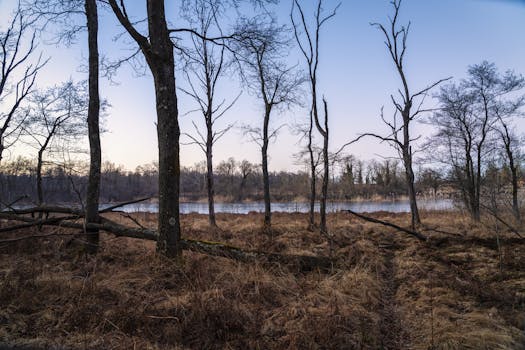
Ecological significance of these areas also extends to carbon sequestration, helping to mitigate the effects of climate change by storing large amounts of carbon within their plant biomass and sediments.
Where are Marisma Camps located?
Nestled within the breathtaking landscapes of Patagonia, Argentina, Marisma Camps can be found at Bahía Bustamante, a coastal gem rich in marine and coastal ecosystems. This pristine location offers an idyllic setting for connecting with nature and engaging in a plethora of outdoor activities.
The sheer beauty of these camps is matched by their commitment to environmental sustainability, making them a beacon for conservation efforts and eco-conscious travelers alike.
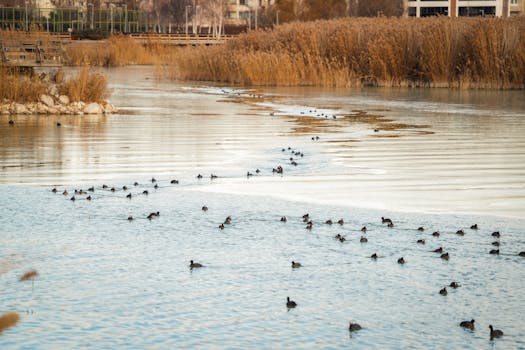
Marisma Camps also draw inspiration from other notable wetlands such as Las Marismas in Spain, which serve as vital ecological reserves and are instrumental in supporting regional biodiversity.
What are the activities offered at Marisma Camps?
Marisma Camps are not only about relaxation but also about exploration and adventure. Visitors can engage in a variety of activities that highlight the unique characteristics of coastal ecosystems.
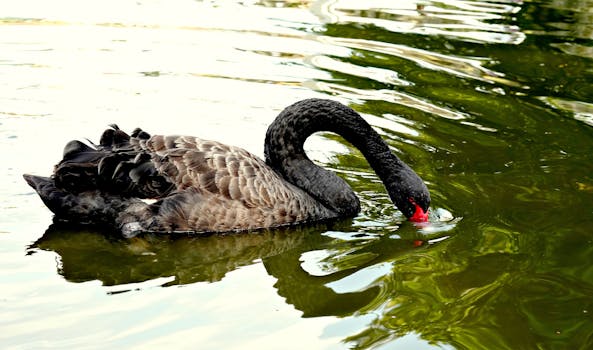
From bird watching to kayaking through serene waterways, the camps offer avenues to witness the splendor of nature up close. Guided nature walks and educational tours provide insights into the complex relationships within these ecosystems.
- Photography workshops capturing the stunning landscapes and wildlife
- Stargazing events, taking advantage of the clear Patagonian skies
- Local cultural experiences, including traditional crafts and cuisine
What is the importance of Marisma in ecosystem conservation?
Marisma serves as a natural barrier protecting inland areas from storm surges and erosion. These wetlands act as kidneys for our planet, filtering pollutants and maintaining water quality.
Their conservation is essential for maintaining global biodiversity and providing refuge for endangered species. The role of marshlands in ecosystem services is invaluable, supporting fisheries, purifying water, and stabilizing shorelines.
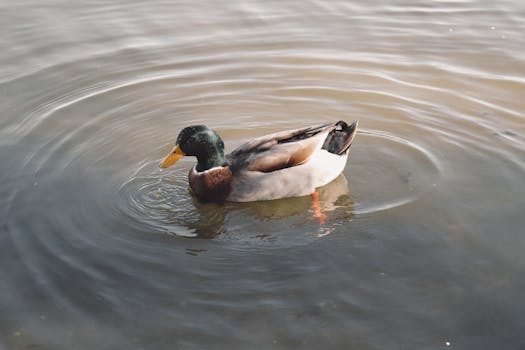
Conservation efforts, such as the MARISMA Project, play a crucial role in ecosystem-based Marine Spatial Planning (MSP), ensuring the sustainable use of marine resources while protecting the environment.
How does Marisma support local economies?
Local economies benefit greatly from the presence of marisma through ecotourism and traditional industries such as fishing and agriculture. These ecosystems provide resources and livelihoods for communities living in proximity to them.
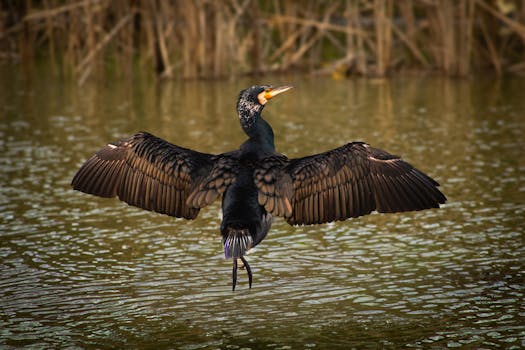
Marine Spatial Planning initiatives, like the MARISMA Project, aim to create a balance between economic development and environmental preservation, fostering a sustainable blue economy that can thrive in harmony with nature.
Local communities also benefit from educational and conservation programs, which raise awareness and provide training to manage these natural resources effectively and sustainably.
What are the environmental features of Las Marismas?
Las Marismas, a renowned wetland in Spain, is characterized by its extensive salt marshes, tidal flats, and freshwater lagoons. This diverse habitat supports a myriad of plant and animal species, including migratory birds that find refuge here.
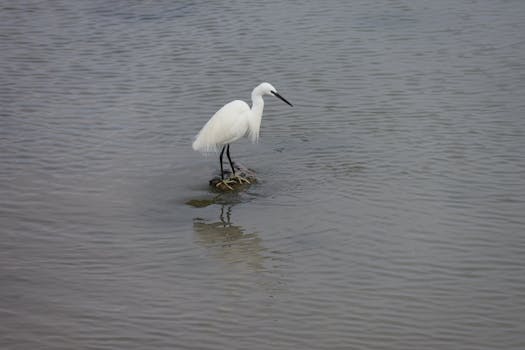
The area acts as a crucial stopover for birds traveling between Europe and Africa, making it an important site for international bird conservation efforts. Las Marismas also plays host to traditional salt farming and sustainable agriculture, showcasing the harmonious integration of human activity and natural preservation.
These environmental features underline the ecological significance of marshes and the need for continued protection and management of such fragile ecosystems.

How can Marisma be integrated into sustainable tourism?
Sustainable tourism in marisma areas focuses on minimizing the impact on the environment while providing educational experiences for visitors. Marisma Camps exemplify this approach by offering accommodations and activities that respect the natural surroundings and promote conservation.
Integrating marisma into sustainable tourism involves community involvement, where locals play an active role in managing resources and sharing their knowledge with visitors. This fosters a sense of ownership and responsibility towards the protection of these areas.
Developing eco-friendly infrastructure, using renewable energy sources, and implementing waste reduction practices are key strategies to ensure that tourism has a positive impact on the environment.
Related questions about marisma ecosystems
What is the meaning of marisma?
Marisma refers to marshy or swampy areas located at the confluence of land and water. These regions are characterized by their saturated soil conditions and the presence of aquatic plants, which provide a unique habitat for a wide array of wildlife.
The term is often synonymous with wetlands, highlighting their importance in water purification, flood control, and as critical areas for biodiversity.
Where are marismas located?
Marismas can be found across the globe, typically along coastlines where freshwater meets the sea. These ecosystems exist on every continent, with notable examples including the Marisma Camps in Patagonia and Las Marismas in Spain.
Ecologically significant marshes are often protected areas due to their role in preserving biodiversity and providing essential services to the environment and local communities.
How can marismas be restored?
Restoration of marismas involves a range of strategies such as reintroducing native vegetation, controlling invasive species, and reestablishing natural water flow patterns. It requires a collaborative effort that includes scientific research, community involvement, and policy support.
Projects like the MARISMA Project play a pivotal role in these efforts, providing guidelines and frameworks for effective restoration and conservation.
What is the importance of marismas?
Marismas are essential for their ecosystem services, supporting wildlife habitats, protecting against erosion, and maintaining water quality. They are also important for their cultural and economic value, contributing to local traditions and economies through sustainable practices.
Their protection and conservation are critical to ensuring the health of our planet, highlighting the need for ongoing efforts to safeguard these precious ecosystems.
Explore the wonders of Marisma Camps and witness the beauty and vitality of these ecosystems. Whether you seek adventure, tranquility, or a deeper connection with nature, Marisma offers an unparalleled experience that will leave you with lasting memories and a renewed appreciation for our planet’s natural treasures.