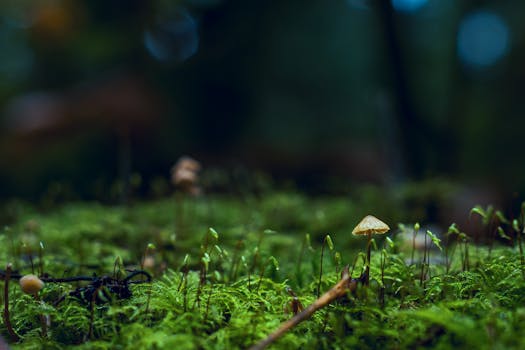
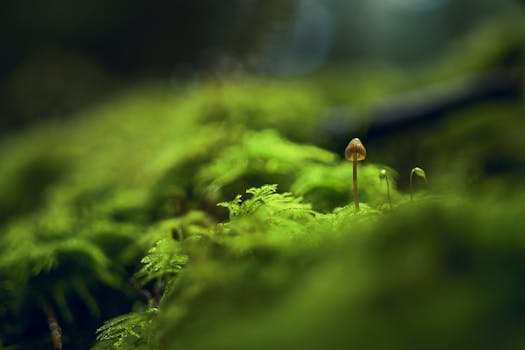
Mosses, or “musgos” in Spanish, are a fascinating part of our natural world. These small, green plants are often overlooked, yet they play a crucial role in our ecosystems. From the dense forests to the cracks in a city sidewalk, musgos can be found covering the ground with a soft, velvety layer, contributing to the health and beauty of our environment.
Table of Contents
- What does musgo mean in Spanish?
- Types of musgos: understanding the different species
- What are the characteristics of musgos?
- How do musgos reproduce?
- What is the ecological role of musgos?
- How is musgo different from other plants?
- What are the benefits of musgos in ecosystems?
- Related questions about musgos
What does musgo mean in Spanish?
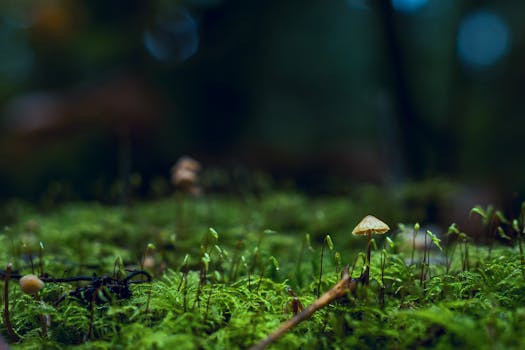
In Spanish, the word “musgo” translates to “moss” in English. A simple term for a diverse group of plants, musgos have captured the interest of botanists and nature lovers alike. These non-vascular plants are known for their lush, green appearance and their ability to thrive in moist environments. Musgos are also associated with a sense of tranquility and are often found in serene, shaded areas where they form a natural carpet that is both pleasing to the eye and beneficial to the ecosystem.
The word “musgo” is a masculine noun, and it’s commonly used in the context of discussing plant life and natural habitats. When someone refers to “musgo,” they are typically speaking about the array of moss species that can be found across various landscapes around the globe.
The richness of the Spanish language reflects in the biological diversity of the regions where it is spoken, and “musgo” is just one example of the natural heritage that is embedded in this language.
Types of musgos: understanding the different species
Musgos represent an entire world of species diversity. There are thousands of types of musgos, each with its unique characteristics and adaptations. The three main classes of mosses are Sphagnidae, known for their presence in peat bogs; Andreaeidae, which prefer rocky habitats; and Bryidae, the largest class, often seen in forest ecosystems and urban environments alike.
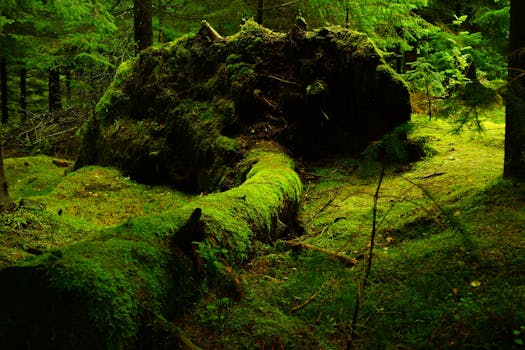
Each class of musgo has species that play specific roles in their habitats. For example, the Sphagnidae class is critical for the formation of peat, which has implications for carbon storage and climate regulation. On the other hand, Bryidae species are known for their resilience and can be found in a wide range of environments, from tree trunks to bare soil.

Understanding the types of musgos is essential for appreciating their ecological importance and the need for their conservation. Moss species diversity is an indicator of the health of an ecosystem, as these plants can be sensitive to changes in their environment.
What are the characteristics of musgos?
- Non-vascular structure: Unlike other plants, musgos lack a vascular system, which means they do not have traditional roots, stems, or leaves. Instead, they absorb water and nutrients directly through their leaves.
- Reproduction: Mosses reproduce both sexually and asexually, with spores playing a central role in their life cycle.
- Environment: Musgos prefer moist, shaded environments and are often found in areas where other plants struggle to survive, such as on rocks, tree bark, and in acidic soils.
The characteristics of musgos make them uniquely adapted to their ecological niches. They can store water efficiently, which allows them to survive in environments that fluctuate between wet and dry conditions. Their simple structure also enables them to colonize areas quickly, making them excellent pioneers in new or disturbed habitats.

How do musgos reproduce?
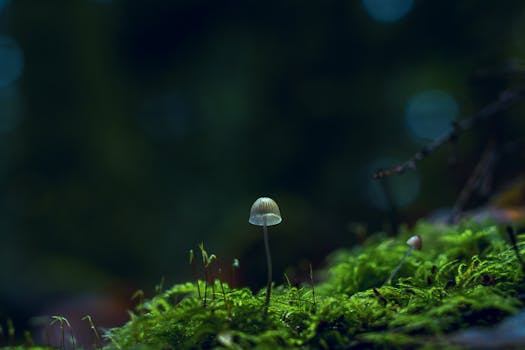
Moss reproduction cycles are a fascinating aspect of their biology. Musgos primarily reproduce through spores, which are dispersed by the wind and can travel long distances to colonize new areas. These spores germinate to form a protonema, which eventually develops into a mature moss plant.
In addition to spore-based reproduction, musgos can also reproduce vegetatively. This means that a piece of the moss plant can break off and grow into a new plant, a process known as fragmentation. This method of reproduction allows musgos to spread rapidly, especially in suitable growth conditions.
The dual reproductive strategy employed by musgos ensures that they can adapt to various environmental conditions and recover from disturbances such as fire or human activity. It also contributes to their widespread distribution and the vast number of species that exist globally.
What is the ecological role of musgos?
The ecological importance of mosses is often underestimated. Musgos play a vital role in their ecosystems by helping to stabilize soil, retain moisture, and provide habitat for microfauna. They also contribute to the nutrient cycle, as they decompose and release nutrients back into the soil, which supports other plant life.
In forest ecosystems, musgos are particularly important for maintaining soil health. They act as bioindicators, signaling the quality of the air and water in their environment. Healthy moss populations often indicate a clean and balanced ecosystem, while changes in moss health can alert us to environmental issues.

Moss habitats and ecosystems are complex and integral components of our planet’s biodiversity. Their presence can enhance the ecological resilience of an area by providing a buffer against erosion and supporting a diverse range of species.
How is musgo different from other plants?
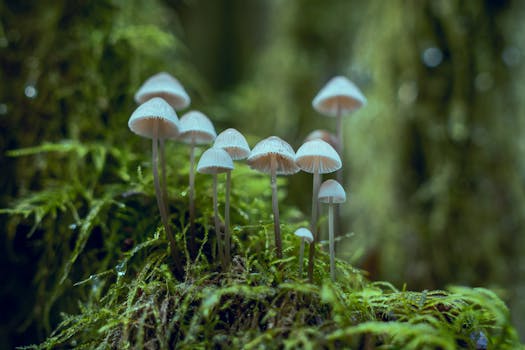
One of the most distinguishing features of musgos is their lack of a vascular system. This sets them apart from most other plants and has a significant impact on their size, shape, and the environments they can inhabit. Without a vascular system, musgos cannot transport water and nutrients over long distances, which limits their growth and requires them to live in close proximity to their water source.
Another key difference is their method of water absorption. Musgos absorb water directly through their leaves, which is a trait that allows them to thrive in moist environments. This direct absorption, coupled with the lack of roots, means that musgos can grow on a variety of substrates, including rocks and tree bark, where other plants would struggle.
Lastly, the reproductive strategies of musgos are unique compared to other plants. The combination of spore dispersal and vegetative growth allows mosses to colonize new territories quickly and effectively, making them crucial pioneers in the plant world.
What are the benefits of musgos in ecosystems?
Ecological importance of mosses cannot be overstated. The benefits of musgos in ecosystems include soil formation, water filtration, and serving as a food source for wildlife. Mosses also play a role in the carbon cycle, as they absorb carbon dioxide from the atmosphere and store it within their tissues.
In urban environments, musgos can improve air quality by trapping dust and pollutants. They also add aesthetic value to cityscapes, providing green spaces that can enhance the mental well-being of city dwellers. In rural areas, musgos contribute to the overall health of forests and wetlands by maintaining humidity levels and supporting other plant and animal life.
Moss species diversity itself is a benefit, as it ensures that a wide range of functions within an ecosystem can be fulfilled by these adaptable and resilient plants. As a result, the conservation of musgos and their habitats is essential for maintaining the health of our planet’s ecosystems.
Related questions about musgos
What is a moss?
Moss is a type of small, non-vascular plant that belongs to the division Bryophyta. Mosses are characterized by their soft, green leaves, which are usually only one cell thick, and their preference for moist, shaded habitats. They play a significant role in their ecosystems despite their small size, contributing to soil stability, biodiversity, and the water cycle.

As primary colonizers, musgos can inhabit a variety of substrates, including rocks, soil, tree bark, and even concrete surfaces. Their ability to thrive in diverse environments makes them an important element of many landscapes.
Can I grow musgo at home?
Yes, you can grow moss at home. Musgos are low-maintenance plants that can be cultivated in a variety of ways, including transplanting a small patch from the wild or creating a moss slurry to spread over the desired area. They require a consistently moist environment and prefer shady conditions, making them suitable for indoor terrariums or shaded outdoor gardens.
When cultivating musgos, it’s essential to ensure they have adequate water and are not exposed to direct sunlight for extended periods, as this can dry them out and inhibit their growth. With the right conditions, mosses can add a unique, natural touch to your home or garden.
Is moss a fungus or mold?
Moss is neither a fungus nor mold; it is a plant. Although musgos share some similarities with fungi and molds, such as thriving in moist environments, they are distinct in their biological classification. Mosses are part of the plant kingdom and have their own reproductive cycle, which includes the production of spores, similar to fungi, but also involves photosynthesis, which is characteristic of plants.
Mosses contribute positively to their ecosystems, unlike molds and some fungi, which can be harmful or indicative of decay. Understanding this distinction is important for appreciating the ecological role of musgos.
How many sexes does moss have?
Mosses can have separate sexes, with individual plants being either male or female, or they can be monoicous, with both male and female reproductive organs on the same plant. The sex of a moss plant determines its role in the reproductive cycle, with male plants producing sperm and female plants producing eggs.
The diversity in reproductive strategies among musgos reflects the adaptability and resilience of these plants, allowing them to survive and reproduce under various environmental conditions.