Oat milk is a delightful and nutritious dairy alternative that has gained popularity among health-conscious consumers and those with dietary restrictions. It’s a plant-based milk derived from whole oat grains and water, offering a creamy texture and a subtly sweet flavor that many find appealing.
Table of Contents
How to make oat milk
Making oat milk at home is surprisingly simple and requires only a few ingredients. Begin by soaking the oats in water for at least 30 minutes, which helps to soften them and makes blending easier. After soaking, drain and rinse the oats to remove any excess starch, which can make the milk slimy. Next, blend the oats with fresh water until smooth. Finally, strain the mixture through a nut milk bag or cheesecloth to separate the liquid from the oat pulp. The result is smooth, homemade oat milk ready for consumption or use in various recipes.
Are you looking for more vegetable milk recipes?
If you’ve mastered the art of making oat milk and are curious about other plant-based alternatives, there’s a plethora of options to explore. From almond and coconut to hemp and rice milk, each variety offers its unique flavor and nutritional profile. Experimenting with these different types can not only diversify your dietary choices but also introduce new textures and tastes to your cooking and baking endeavors.
For instance, almond milk provides a nutty flavor and is typically lower in calories, while coconut milk offers a rich creaminess perfect for tropical smoothies and desserts. Hemp milk, made from the seeds of the hemp plant, is a great source of omega-3 fatty acids, and rice milk is known for its naturally sweet taste, making it a favorite for desserts.
What are the possible health benefits of oat milk?
Oat milk is not only delicious but also packs a nutritional punch. It’s a valuable source of dietary fiber, known to promote digestive health, and contains beta-glucans, which can aid in cholesterol reduction. Additionally, oat milk is often enriched with vitamins and minerals, including calcium, vitamin D, and vitamin B12, making it a beneficial choice for bone health and energy production.
Can oat milk be heated?
Yes, oat milk can be warmed and used in a variety of hot beverages and dishes. It’s an excellent dairy-free alternative for your morning coffee, tea, or hot chocolate. Oat milk’s creamy consistency makes it a perfect addition to oatmeal, soups, or sauces. However, it’s important to heat it gently to prevent separation or curdling, which is common with many plant-based milks.
When incorporating oat milk into recipes that require cooking, add it towards the end of the cooking process to maintain its texture and nutritional integrity. Always stir frequently and use a low to medium heat setting for the best results.

How to utilize the pulp from oat milk?
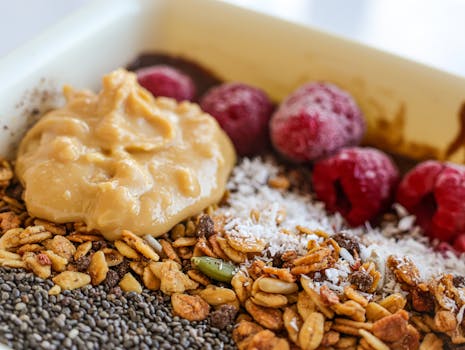
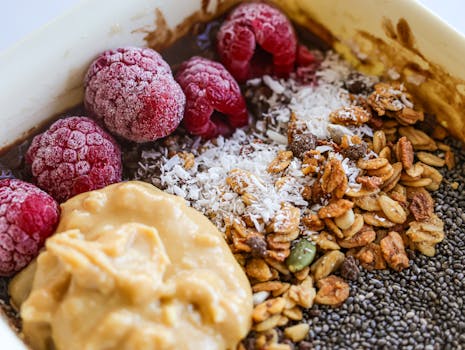
The leftover oat pulp from making oat milk doesn’t have to go to waste. This by-product is nutritious and can be repurposed in various ways. It’s an excellent addition to baked goods, such as muffins, cookies, or bread, adding a boost of fiber and texture. Alternatively, the pulp can be incorporated into breakfast bowls, smoothies, or used as a base for veggie burgers. Getting creative with oat pulp can contribute to a more sustainable kitchen, reducing food waste and adding nutritional value to your meals.
What can I take with oat milk?
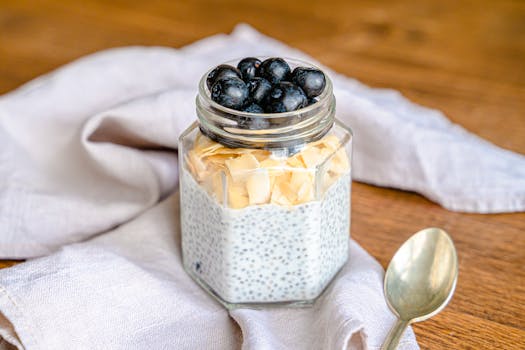
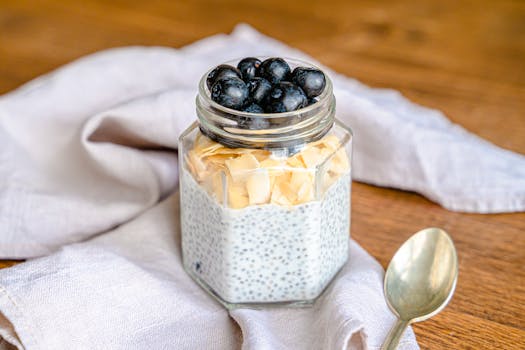
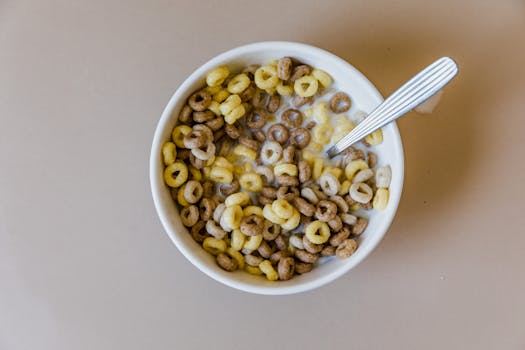
Oat milk is extremely versatile and can be enjoyed in numerous ways. Whether you prefer it cold, poured over cereal, or added to your coffee, it serves as a fantastic dairy-free option. You can use it in smoothies for a creamy texture or in baking as a substitute for cow’s milk. Oat milk’s subtle sweetness and smooth consistency also make it a popular choice for making dairy-free ice cream, creamy dressings, or even homemade vegan cheese.
Is oat milk a suitable option for children?
Pediatricians often recommend fortified plant-based milks for children with allergies, lactose intolerance, or those following a vegan diet. Oat milk can serve as an excellent alternative to cow’s milk for kids, especially if it’s fortified with calcium, vitamin D, and other essential nutrients. However, it’s crucial to consult with a healthcare provider to ensure that your child’s dietary needs are being met.
Remember, while oat milk is a nutritious option, it shouldn’t replace breast milk or formula for infants. It’s typically recommended for children over one year of age who are already eating a variety of solid foods.
Related questions about oat milk
What are the benefits of oat milk?
Oat milk offers a host of benefits, including being low in fat and high in protein compared to other plant-based milks. It’s naturally free from lactose, nuts, and soy, making it an excellent choice for those with allergies or intolerances. The soluble fiber in oat milk, beta-glucans, is known for its heart-healthy properties, such as lowering cholesterol levels and stabilizing blood sugar.

Oat milk is also an eco-friendly choice as oats require less water to grow than almonds or soy, making it a more sustainable option for the environment.
How do you make oat milk?
The process of making oat milk at home is straightforward. Start by soaking oats in water, blend with fresh water, and then strain to remove the pulp. Homemade oat milk can be customized by adding a pinch of salt, a splash of vanilla extract, or a sweetener of your choice.
This DIY approach not only allows you to control the ingredients but also avoids the preservatives and additives found in some store-bought versions.
How advisable is oat milk?
Oat milk is a great option for those looking to reduce dairy intake or seeking a plant-based milk alternative. It’s particularly advisable for individuals with lactose intolerance or those following a vegan diet. However, as with any food product, it’s important to consume it as part of a balanced diet.
For those with gluten sensitivities, ensure that the oats used to make the milk are certified gluten-free, as oats can sometimes be cross-contaminated with gluten-containing grains during processing.

What happens if I drink oat milk daily?
Incorporating oat milk into your daily diet can contribute to your overall nutrient intake, especially if you opt for fortified versions. Daily consumption can provide a good source of fiber and may aid in maintaining a healthy cholesterol level. However, it’s essential to balance your diet with a variety of nutrients from other food sources.
Moderation is key, and while oat milk is a healthy choice, it should complement a diet rich in whole foods, including fruits, vegetables, whole grains, lean proteins, and healthy fats.