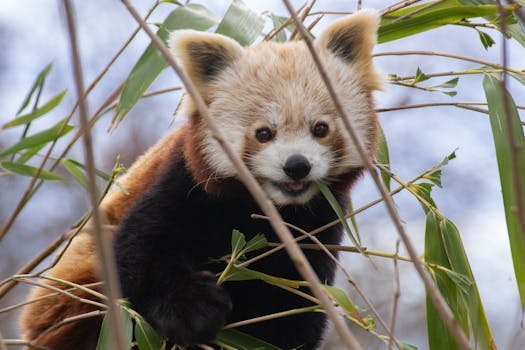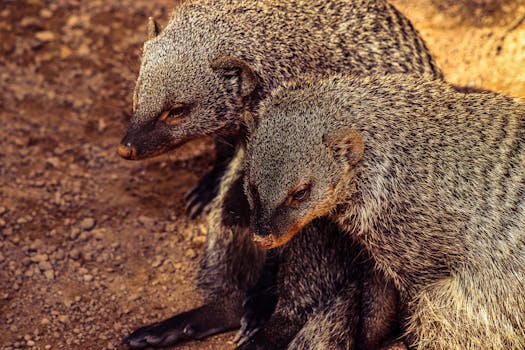
Omnivorous animals play a vital role in our ecosystem, displaying remarkable adaptability and flexibility in their diets. These creatures, known as animales omnívoros in Spanish, are capable of consuming both plant and animal matter, which allows them to thrive in diverse environments and maintain ecological balance.
Understanding the ecological roles of omnivores and their dietary preferences helps us appreciate the complexity of nature and the interconnectedness of life forms. From the mighty bear to the humble raccoon, omnivorous animals exhibit fascinating behaviors and characteristics that reflect their mixed diets.
Table of Contents
- What are omnivorous animals?
- Characteristics of omnivorous animals
- 12 examples of omnivorous animals
- 10 omnivorous animals you should know
- Examples of omnivorous animals: Mammals
- Examples of omnivorous animals: Birds
- Examples of omnivorous animals: Reptiles
- Exploring the dietary habits of omnivorous species
- The role of omnivores in the ecosystem
- Related questions about omnivorous animals
What are omnivorous animals?
Omnivorous animals are species that incorporate a wide range of food sources into their diet, including both animal proteins and plant-based nutrients. This dietary strategy is not limited to one group of animals but spans across different classes, including mammals, birds, reptiles, and even fish. The adaptability of these animals is crucial for their survival, as it allows them to be flexible with their food sources, especially in changing environments.
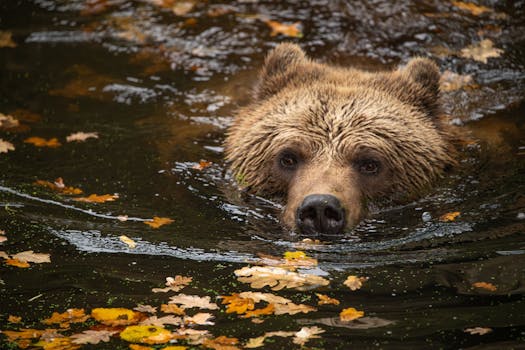
Common examples of omnivorous animals that many people are familiar with include bears, which enjoy a diet of berries, fish, and insects, and pigs, known for their propensity to consume almost anything edible. This varied diet is a direct reflection of the diverse habitats in which these animals live and the resources available to them.
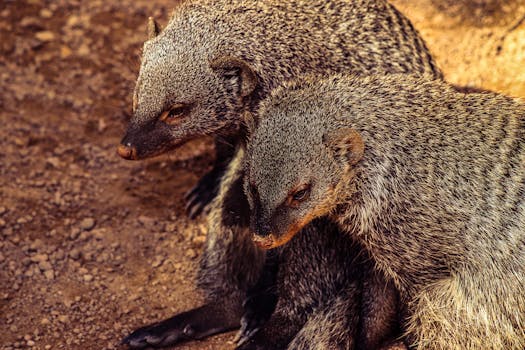
Interestingly, some omnivores have undergone significant changes in their dietary habits due to human intervention. Domesticated animals, such as dogs, have evolved from wild carnivorous species to adapt to the starch-rich diets often provided by their human owners.
Characteristics of omnivorous animals
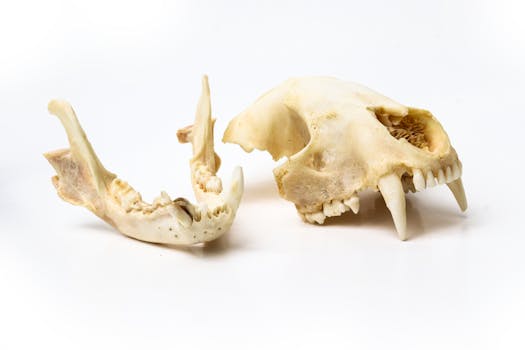
Omnivorous animals boast a unique set of physical and behavioral traits that enable them to process and utilize both plant and animal matter. One key characteristic is their mixed dentition, which includes sharp canines for tearing flesh and flat molars for grinding plant material. This dental arrangement is a clear indicator of an omnivorous diet and is a common feature among these versatile eaters.
Another critical aspect of omnivores is their digestive systems, which are typically more complex than those of strict herbivores or carnivores. This complexity allows for the breakdown and absorption of nutrients from a variety of food sources, contributing to the diet flexibility in animals that are omnivores.
Behaviorally, omnivores exhibit a wide range of food-finding strategies. They may forage, hunt, or scavenge to obtain their meals, depending on what is most readily available in their environment. Such flexibility is not only key to their survival but also plays a significant role in the ecological roles of omnivores, as they can help control both plant and animal populations.
12 examples of omnivorous animals
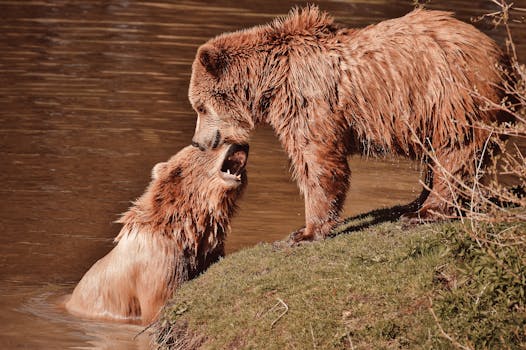
- Bears are perhaps the most famous omnivores, consuming a diet that includes fruits, nuts, and small animals.
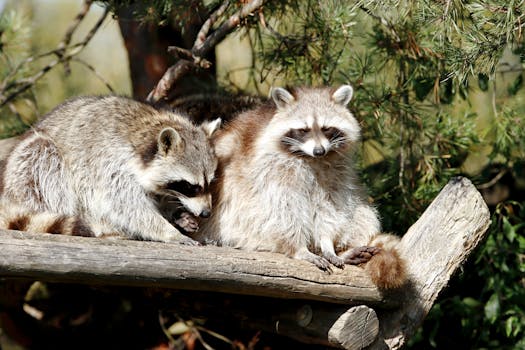
- Raccoons are adaptable creatures known for their varied diet, which often includes human food waste.
- Ostriches, the large flightless birds, feed on plants as well as insects and small vertebrates.
- Pigs are domesticated omnivores that can thrive on a diet of grains, vegetables, and animal proteins.
- Chickens, although often fed grains, also eat insects and small lizards when given the opportunity.
- Humans are the most impactful omnivorous species, with diets that vary widely across cultures and regions.
- Skunks, with their distinctive black and white coloring, forage for fruits, insects, and small rodents.
- Turtles, particularly those in the wild, consume a mix of aquatic vegetation and small fish.
- Dogs, through domestication, have adapted to consume both meat and plant-based foods provided by their owners.
- Seagulls are opportunistic feeders, eating everything from fish to food scraps left by people.
- Badgers dig for food and will eat a variety of items including worms, fruit, and small mammals.
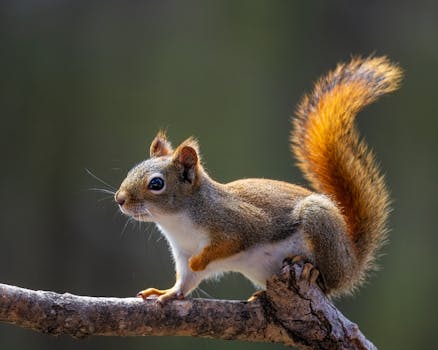
- Squirrels are commonly seen foraging for nuts and seeds, but they also consume insects and even small birds.
10 omnivorous animals you should know
While there are countless omnivorous species around the globe, some stand out for their unique behaviors and dietary patterns. Here are ten omnivorous animals that showcase the diversity within this group:
- Humans – With diets that vary from vegan to carnivorous, humans are the most adaptable omnivores.
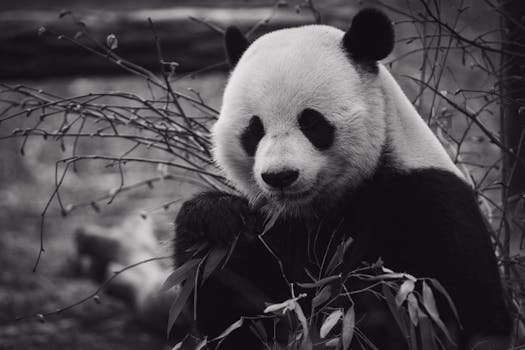
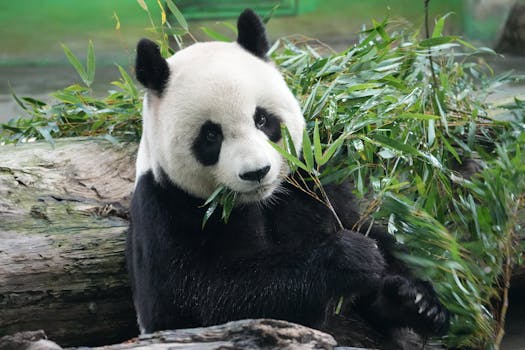
- Bears – Ranging from the omnivorous brown bear to the mostly herbivorous panda, bears have diverse eating habits.
- Pigs – Known for their omnivorous diet, pigs consume a variety of foods, which has made them valuable in agriculture.
- Raccoons – These nocturnal mammals are notorious for their ability to eat just about anything, including urban waste.
- Ostriches – The world’s largest birds, ostriches eat plants, insects, and small animals.
- Robins – These common garden birds eat both plant material, like berries, and animals, such as worms and insects.
- Box Turtles – These reptiles enjoy a mixed diet of fruits, vegetables, and meat, including insects.
- Chimpanzees – Our closest living relatives, chimpanzees, eat a mix of fruits, nuts, leaves, and occasionally hunt for meat.
- Coyotes – Coyotes have adapted to a variety of environments and their diet includes fruits, vegetables, and small animals.
- Red Foxes – With a diet that can include fruits, vegetables, and small mammals, red foxes are true omnivores.
Examples of omnivorous animals: Mammals
Mammals are perhaps the most familiar class of omnivorous animals to humans, as they include domesticated species as well as wild ones that have become iconic due to their adaptable diets. For instance, bears are a prime example of omnivorous mammals, as their diet can shift with the seasons, eating more plant-based foods in the summer and more meat during salmon spawning season. Dogs, which descended from wolves, have also become omnivorous due to their close relationship with humans.
Another fascinating example is the raccoon, which has successfully adapted to urban environments, taking advantage of human garbage as a food source. This adaptability showcases the adaptability of omnivorous animals and their ability to exploit a variety of ecological niches.
It’s important to recognize the role domestication has played in shaping the diets of mammalian omnivores. By providing consistent food sources, humans have influenced the evolution of these animals, often leading to a greater reliance on plant-based food items.
Examples of omnivorous animals: Birds
Many bird species have omnivorous diets, which allow them to take advantage of a wide range of food sources. Ostriches, for example, graze on plants but also consume insects and small animals to supplement their nutrition. Similarly, crows are known for their intelligence and opportunistic eating habits, often eating grains, fruits, and small vertebrates.
City-dwelling birds like pigeons and seagulls have also become adept at scavenging human food scraps, demonstrating the diet flexibility in animals that are omnivorous. This behavior underscores the impact of human activity on the dietary habits of wildlife and the adaptability of these birds to urban environments.
The diversity in the diets of birds reflects not only the availability of food in their habitat but also the nutritional needs that vary across species and environments. It is a testament to the success of omnivorous diets in providing sufficient sustenance for survival and reproduction.
Examples of omnivorous animals: Reptiles
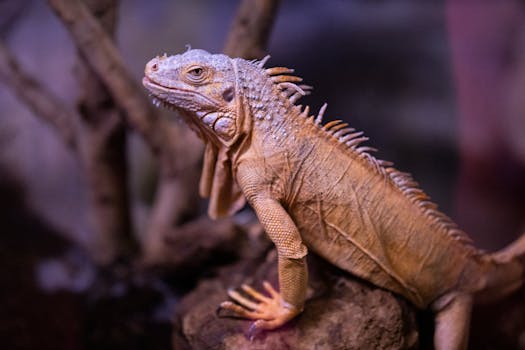
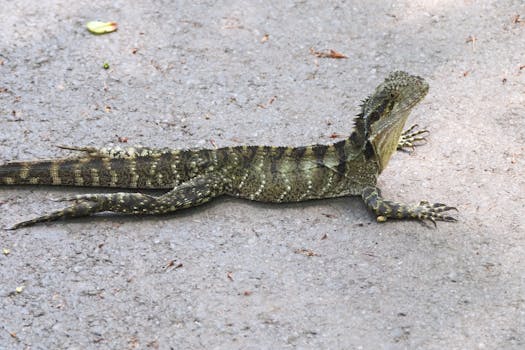
Reptiles are often perceived as strictly carnivorous or herbivorous, but there are indeed omnivorous species within this class. Turtles, for instance, consume a mixed diet ranging from algae and aquatic plants to fish and small aquatic creatures. Some species of lizards also display omnivorous tendencies, eating both vegetation and insects depending on the availability of food sources.

The adaptability of these reptiles plays a significant role in their survival, especially in environments where food sources can be scarce or seasonal. By being able to switch from plant to animal food sources, they increase their chances of finding enough nutrients to sustain them.
These reptilian omnivores demonstrate that the ability to consume a varied diet is not limited to warm-blooded animals but is a successful survival strategy across different classes of the animal kingdom.
Exploring the dietary habits of omnivorous species
The dietary habits of omnivorous species are as diverse as the animals themselves. Bears, for example, have diets that vary by species and habitat, with some consuming large amounts of fruits and nuts, while others focus more on hunting and fishing. Raccoons, on the other hand, are known for their ability to eat almost anything, which makes them highly adaptable to different environments.
Understanding the dietary habits of omnivorous species not only provides insights into their behavior and ecological roles but also informs conservation efforts. By knowing what these animals need to survive, we can work to protect their habitats and ensure a balanced ecosystem.
Moreover, the study of omnivores and their diets can offer valuable knowledge about the evolutionary processes that have shaped their feeding strategies and how they might continue to adapt in a rapidly changing world.
The role of omnivores in the ecosystem
Omnivores play a crucial role in maintaining the balance of ecosystems. By feeding on both plant and animal matter, they act as both predators and prey, which helps to control the populations of other species. They also contribute to the dispersal of seeds through their consumption of fruits, aiding in plant reproduction and forest growth.
Their dietary flexibility allows them to adapt to changes in their environment, making them key players in the resilience of ecosystems to disturbances such as climate change or habitat loss. The presence of omnivores can be an indicator of the health of an ecosystem, as they often require a diverse and abundant supply of food to thrive.
In conclusion, the role of omnivores in the ecosystem is multifaceted and essential. These animals connect different trophic levels and provide stability to food webs, highlighting the importance of preserving their habitats and understanding their ecological impact.
Related questions about omnivorous animals
What are some examples of omnivorous animals?
Omnivorous animals can be found across various species and environments. Some widely recognized examples include bears, pigs, raccoons, and certain bird species like ostriches. These animals have adapted to consume a variety of food sources, often including both flora and fauna in their diets.
Other examples of omnivorous animals include squirrels, which eat nuts and seeds as well as insects, and turtles, which may feed on both aquatic vegetation and small fish. The diversity of omnivores reflects the vast range of ecological niches they occupy and their importance in maintaining ecosystem balance.
What are the 10 herbivorous animals?
While this article focuses on omnivorous animals, it’s interesting to note the contrast with herbivores, which strictly consume plant matter. Ten examples of herbivorous animals include elephants, giraffes, cows, deer, rabbits, pandas, horses, koalas, gorillas, and sheep. These animals have specialized digestive systems that allow them to break down tough plant fibers and extract nutrients effectively.
Herbivores are an essential part of the food chain, serving as prey for carnivores and omnivores. They also play a critical role in shaping vegetation patterns and influencing the structure of their habitats.
What creatures are omnivorous?
Creatures that fall into the omnivorous category include a wide array of animals from different taxonomic groups. Apart from the mammals, birds, and reptiles mentioned previously, there are also certain species of fish, such as piranhas, that exhibit omnivorous feeding habits. Additionally, many insects, such as ants, can be considered omnivores due to their varied diet.
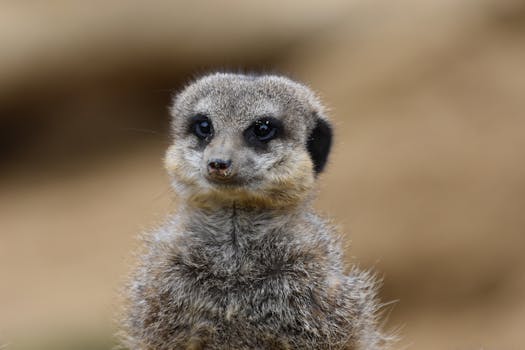
Omnivorous creatures are incredibly resourceful and often excel at finding food in challenging conditions. This opportunistic feeding strategy grants them a survival advantage and underscores their adaptability to different environments.
What birds are omnivores?
A variety of bird species are classified as omnivores, with diets that extend beyond seeds and fruits to include insects, small mammals, and even carrion. Common examples include gulls, robins, and crows. These birds often adjust their feeding habits based on seasonal availability and environmental conditions.
Omnivorous birds play key roles in ecosystems, such as pest control, seed dispersal, and as a food source for higher predators. Their ability to consume a range of food types makes them important contributors to the health and stability of their habitats.