Oviparous animals represent a fascinating group in the animal kingdom, distinguished by their reproductive method of laying eggs. These creatures, ranging from birds to reptiles and amphibians, have developed intricate behaviors and adaptations to ensure the survival of their offspring from the moment the eggs are laid until they hatch.
The life cycle of oviparous species begins with the laying of eggs, a process that has evolved over millions of years. This article will delve into the various aspects of oviparous animals, their reproductive strategies, and the environments they select for egg laying, offering intriguing insights into the world of egg-laying creatures.
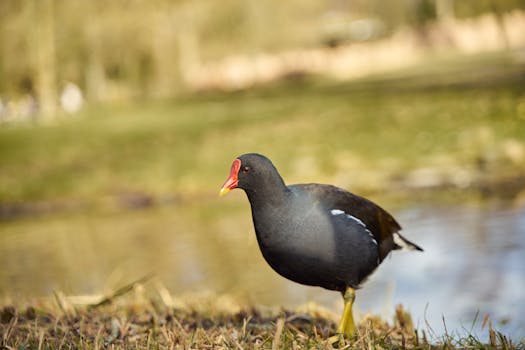
Table of Contents
- How do oviparous animals reproduce?
- What are some examples of oviparous animals?
- What are the differences between oviparous, viviparous, and ovoviviparous animals?
- How do oviparous animals care for their eggs?
- What adaptations do oviparous animals have for their eggs?
- What is the evolutionary significance of oviparity?
- What environment do oviparous animals prefer for laying eggs?
- Related questions about oviparous animals and their reproduction
How do oviparous animals reproduce?
Reproduction in oviparous animals involves the laying of eggs, which are then fertilized either internally or externally. Birds, for instance, engage in internal fertilization before egg laying, while many fish and amphibians release eggs into the water to be fertilized. This method ensures genetic diversity and allows these animals to spread their offspring over a wide area, increasing the chances of survival.
The eggs of oviparous creatures are often equipped with a protective shell or membrane that shields the developing embryo from environmental hazards and predators. Parental care varies greatly among species, with some providing extensive protection and others leaving the eggs to develop independently.
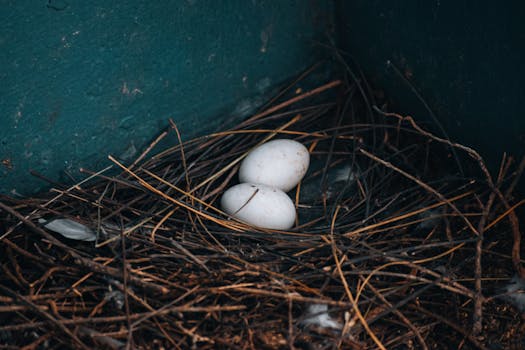
Reproductive strategies of oviparous species also include choosing optimal locations for egg laying, which can influence the survival rate of the offspring. Safe, concealed sites are typically preferred, providing the necessary conditions for successful hatching.
What are some examples of oviparous animals?
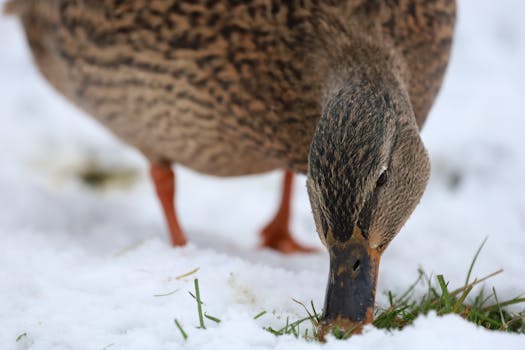
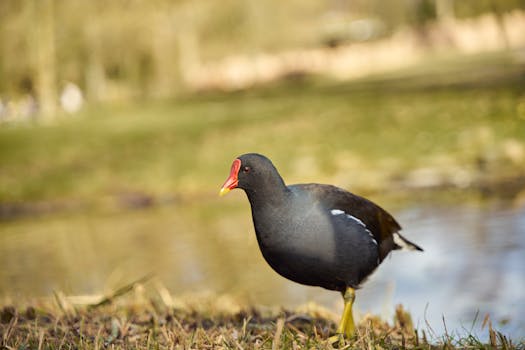
- Birds: Almost all bird species are oviparous, laying eggs in nests that they meticulously construct.
- Reptiles: Most reptiles, including turtles, lizards, and snakes, lay eggs with leathery shells.
- Amphibians: Frogs and toads lay jelly-like eggs in water, which later develop into tadpoles.
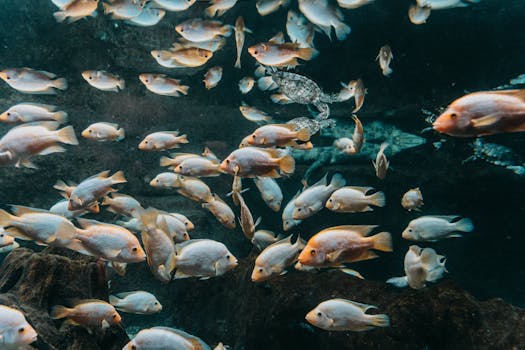
- Marine animals: Numerous marine species, like fish and certain invertebrates, release eggs into the ocean.
What are the differences between oviparous, viviparous, and ovoviviparous animals?
Oviparous animals lay eggs that hatch outside the parent’s body, while viviparous animals give birth to live young. Ovoviviparous animals represent a middle ground; they retain the eggs inside their bodies until hatching, giving birth to live young without a placental connection.
These different reproductive modes offer various survival advantages. Oviparous animals can produce a larger number of offspring, dispersing their genetic material broadly. Viviparous creatures can provide better protection to their young during development, and ovoviviparous species combine aspects of both, allowing for internal development with less energy expended on parental care post-birth.

Each method has adapted to the specific environments and lifestyles of the species, illustrating the vast diversity of reproductive strategies in the animal kingdom.
How do oviparous animals care for their eggs?
The level of care provided by oviparous animals to their eggs can be critical for the survival of the embryos. Nesting behaviors in animals vary widely, from building elaborate nests to simply laying eggs in a concealed location. Birds are well-known for their nest construction, while reptiles may bury their eggs in the sand or soil.
Some species will actively guard their eggs, protecting them from predators, while others may incubate their eggs to regulate temperature. In contrast, certain amphibians and fish leave the eggs to develop independently, relying on the sheer number of eggs laid for the continuation of the species.
Parental investment in the care of eggs is largely influenced by the ecological niche the species occupies, with some environments requiring more active protection than others.
What adaptations do oviparous animals have for their eggs?
Adaptations of oviparous creatures are specialized to enhance the survival rate of their eggs. These adaptations can include the development of hard or leathery shells, the secretion of protective substances, and camouflage.

Eggs may also possess pores that allow for the exchange of gases, ensuring the embryo receives enough oxygen while still protected. Some species have evolved to lay eggs during specific seasons or climate conditions that are most conducive to embryonic development.

Additional adaptations can be behavioral, such as the selection of optimal nesting sites or the timing of egg-laying to coincide with food availability for the hatchlings.
What is the evolutionary significance of oviparity?
Oviparity has significant evolutionary implications, as it allows for the broad dispersion of a species’ genes. Egg-laying behaviors in animals have evolved to optimize survival rates in various environments, leading to the diversity we see today.
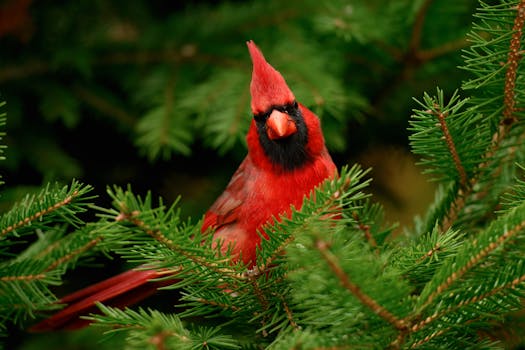
The ability to lay eggs in multiple locations can reduce the risk of an entire clutch being predated upon, while also enabling colonization of new areas. Moreover, oviparous animals can invest energy into producing numerous eggs, some of which are likely to survive to adulthood.
This reproductive strategy has proven successful across many taxonomic groups, underlining its effectiveness in the propagation of species.
What environment do oviparous animals prefer for laying eggs?
The chosen environment for laying eggs is pivotal for the survival of oviparous species. Many factors are considered, including temperature, humidity, predation risk, and proximity to food sources. The ideal environment provides the necessary conditions for the eggs to develop and hatch successfully.
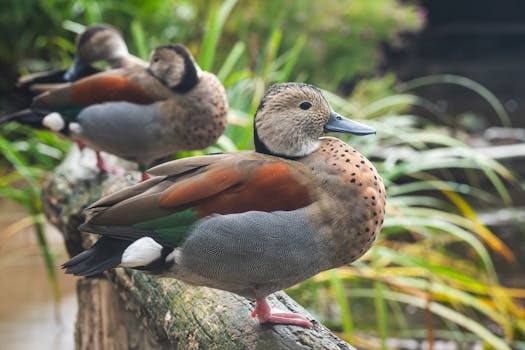
While some species select quiet, secluded areas, others may lay eggs in more open spaces that offer a different set of advantages. The diversity of environments used is vast, showcasing the broad adaptability of oviparous animals.
Related questions about oviparous animals and their reproduction
What are oviparous and viviparous?
Oviparous animals are those that reproduce by laying eggs, with the embryos developing outside the mother’s body. In contrast, viviparous animals give birth to live young, with the embryos developing inside the mother. The key distinction lies in where the embryo develops and the method of giving birth.

These reproductive modes reflect different evolutionary strategies, each with its advantages and challenges in the animal kingdom.
What animals are ovoviviparous?
Ovoviviparous animals occupy a unique reproductive category, where they retain the eggs inside their bodies until just before hatching. Examples include certain species of sharks, snakes, and lizards. These animals provide a protected environment for the eggs, which receive nourishment from the egg yolk rather than the mother’s body directly.
This reproductive mode combines elements of both egg-laying and live birth, offering a balance between the two strategies.
What is a mammal and oviparous?
While most mammals are viviparous, there are rare exceptions that are oviparous. The most notable examples are the monotremes, which include the platypus and echidnas. These unique mammals lay eggs and are considered a primitive lineage that retains this ancestral trait.
Their reproductive strategy stands out in the mammalian class, which is predominantly characterized by live birth.
Is the frog oviparous or viviparous?
Frogs are predominantly oviparous, laying eggs in water or moist environments. The eggs develop into tadpoles, which later undergo metamorphosis into adult frogs. This reproductive method is well-adapted to the aquatic habitats in which many frogs live, ensuring the survival of their offspring.
However, some frog species exhibit variations in their reproductive strategies, including direct development or even viviparity in very rare cases.