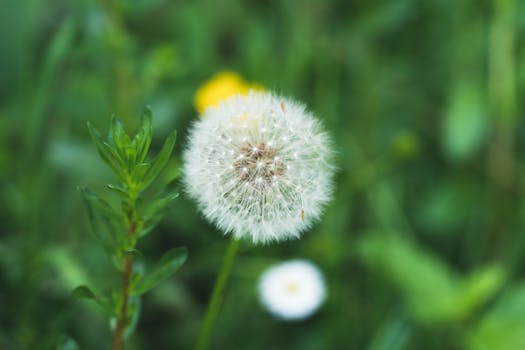
Understanding the intricate structure of a flower is akin to unraveling the mysteries of plant reproduction. Each component, from delicate petals to the often-overlooked sepals, plays a crucial role in the lifecycle of angiosperms—the vast group of flowering plants that dominate our landscapes. By delving deep into the anatomy of these botanical marvels, one can appreciate the efficiency and beauty of nature’s design.
Table of Contents
- What is a flower and why is it important?
- What are the main parts of a flower?
- Male part of the flower: The androecium
- Female part of the flower: The gynoecium
- What functions do the parts of a flower fulfill?
- Types of flowers in angiosperms
- Flower parts for children
- Related questions about the structure and significance of flower parts
What is a flower and why is it important?
At the very essence of our ecosystems, flowers are not just a feast for the eyes but the primary reproductive structures of angiosperms. They are pivotal in facilitating pollination, leading to the production of seeds and fruit, which in turn sustains a myriad of species, including humans. The beauty and fragrance of flowers also play a psychological role, enriching our lives and even contributing to our economy through horticulture and floristry.
More than just ornamentation, flowers are a testament to the complexity of evolutionary biology. Through their varied forms and mechanisms, they ensure genetic diversity and the continued survival of plant species. The importance of flower parts in the ecosystem is profound, influencing everything from the smallest insect to the global food web.
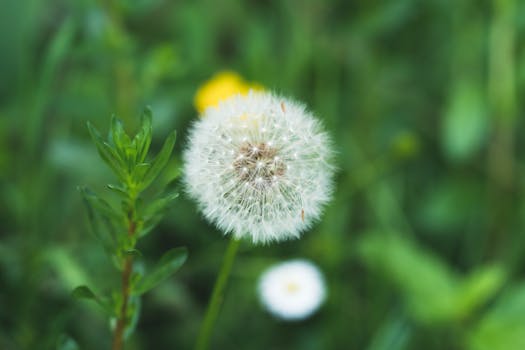
As we explore the functions of flower parts, it becomes clear that each structure is a result of millions of years of adaptation, shaped by environmental factors and pollinators to form the flowers we see today.
What are the main parts of a flower?
The partes de una flor can be broadly divided into reproductive and non-reproductive segments. The reproductive parts include the male stamen and the female pistil, which are responsible for the production of gametes and subsequent fertilization. The non-reproductive parts, such as petals and sepals, serve to protect the reproductive organs and attract pollinators.

Each part of a flower has evolved to perform specific roles that are vital for the plant’s reproduction. For example, the color and scent of petals are not merely for human enjoyment but are intricately designed to lure pollinators such as bees, butterflies, and birds.

Moreover, the arrangement and number of these parts can vary greatly among different species, leading to an incredible diversity of flower forms and structures. This diversity is not only a delight to observe but is also indicative of the myriad evolutionary pathways that plants have taken to ensure their survival.
Male part of the flower: The androecium
- Stamen: This is the collective term for the male reproductive organs of a flower.
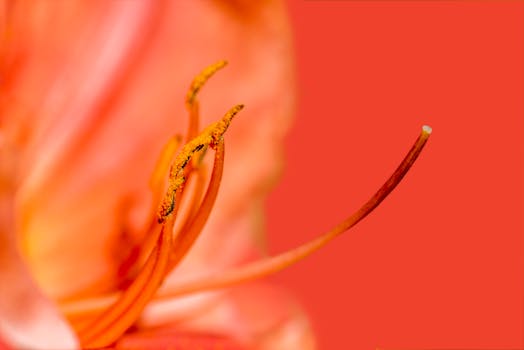
- Anther: It is the part of the stamen that produces pollen, which contains the male gametes.
- Filament: This slender stalk supports the anther and positions it to effectively release pollen.
The androecium’s primary function is to produce and disperse pollen, which will ideally reach the female reproductive structures of the same or another flower. This process is facilitated by a variety of pollination methods, including wind, water, and animal interactions.
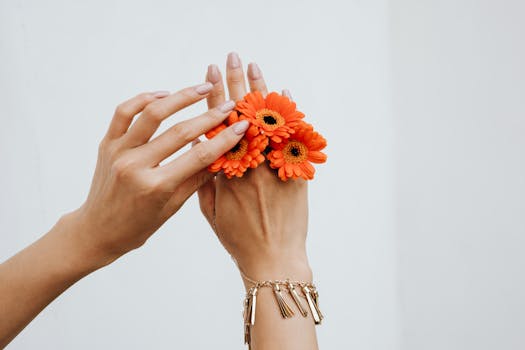
The subtle interplay between the androecium and pollinators is a fascinating aspect of flower reproductive structures. Each stamen is tailored to maximize the chances of its pollen being successfully transported to a stigma, demonstrating the delicate balance between plant and pollinator.
Female part of the flower: The gynoecium
The gynoecium is the female counterpart to the androecium and is composed of one or more pistils. A single pistil includes the stigma, which catches pollen; the style, a tube that leads to the ovary; and the ovary itself, where the ovules—potential seeds—reside.
Upon successful pollination, the pollen grain germinates on the stigma and grows a pollen tube down the style to reach the ovules. Fertilization then takes place, leading to the development of seeds and often the surrounding fruit tissue.
This critical reproductive process is evidence of the functions of flower parts working in harmony. Without the precise structure of the gynoecium, plants would struggle to reproduce and maintain their populations.
What functions do the parts of a flower fulfill?
Each part of a flower is essential to the plant’s reproductive success. The stamen and pistil are directly involved in the production of the next generation, while the petals and sepals create the necessary conditions for pollination to occur.
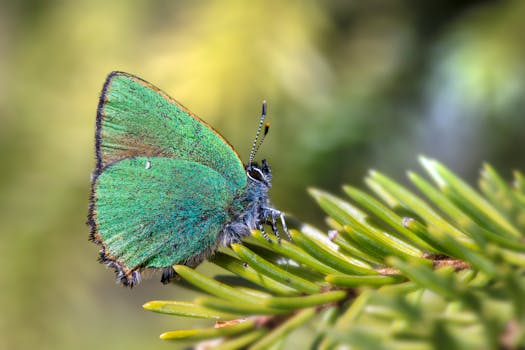
Furthermore, the structure of a flower can also dictate its reproductive strategy. For instance, some flowers are designed to self-pollinate, while others have mechanisms to encourage cross-pollination, increasing genetic diversity. The ecological significance of flowers also extends to their role in supporting a variety of ecosystems by providing food and habitat for a host of creatures.
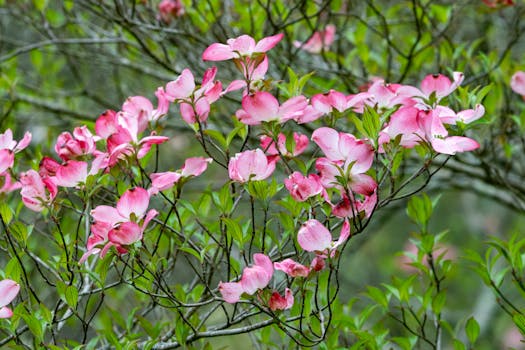
In understanding flower anatomy, we can appreciate how these structures have adapted to their respective environments. From the colorful petals adapted for diurnal pollinators to the scent-producing organs for nocturnal ones, flowers showcase a remarkable range of adaptations.
Types of flowers in angiosperms
Angiosperms, or flowering plants, can boast a dazzling array of flower types. The classification of these types often depends on the presence and arrangement of reproductive organs. Some flowers are considered “perfect,” containing both stamen and pistil, while others are “imperfect,” having only one reproductive organ.
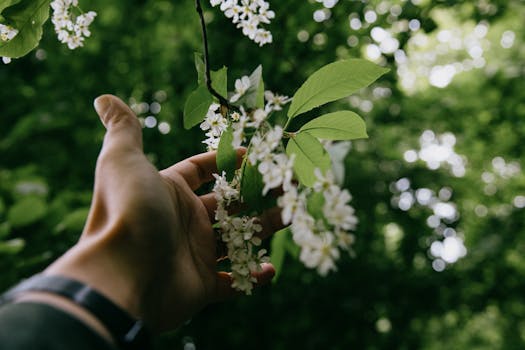
Different types of flowers also exhibit a wide range of adaptations to their specific pollinators. For instance, tubular flowers may have evolved to accommodate the long beaks of certain bird species, while others may release their pollen only in response to the vibrations of a visiting bee.
The diversity of angiosperms is evidenced by the vast number of species, each with its unique floral structure. This variety not only makes the world more beautiful but also ensures the resilience of ecosystems through a broad genetic base.
Flower parts for children
Introducing children to the partes de una flor is a wonderful way to foster an appreciation for nature and science. By understanding the basic parts of a flower—stamen, pistil, petals, and sepals—children can begin to grasp the fundamentals of plant biology and reproduction.
Interactive learning, such as dissecting a flower to identify its parts, can be an engaging way for children to learn. It can also spark curiosity about the natural world and the importance of plants in our lives.
Exploring the various functions of flower parts can also lead to discussions about ecosystems, conservation, and the role each of us plays in protecting our environment.
Related questions about the structure and significance of flower parts
What are the parts of a flower?
The parts of a flower include the male stamen, with its anther and filament, and the female pistil, composed of the stigma, style, and ovary. Non-reproductive parts like petals and sepals also play vital roles in the flower’s overall structure and function.
Each part is expertly crafted to facilitate the plant’s reproductive process, ensuring the success of seed and fruit formation. This complex design is a testament to the evolution of angiosperms and their ability to adapt to diverse environments and pollinators.
What is the center of a flower called?
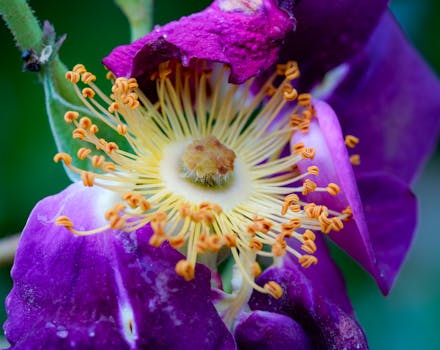
The center of a flower is typically occupied by the pistil or pistils, known as the gynoecium when multiple pistils are present. This central location is strategic for catching pollen and facilitating the reproductive cycle of the plant.
Understanding the central role of the pistil within the flower highlights the interconnectedness of flower parts and their collective function in plant reproduction and species survival.
What is the structure that supports a flower called?
The structure that supports a flower is known as the stem or peduncle. This crucial part of the plant not only holds the flower but also transports water and nutrients to it, enabling the flower to develop and function properly.
The strength and flexibility of the stem are vital in positioning the flower for optimal pollinator attraction and seed dispersal. Its role is often understated, yet without it, the flower could not thrive or contribute to the ecosystem.

What are the 5 parts of the plant?
The five primary parts of a plant include the roots, stem, leaves, flowers, and fruit. Each has a specific role, from anchoring the plant and absorbing nutrients to photosynthesis and reproduction.
The integration of these parts allows the plant to live, grow, and reproduce. In teaching about the five parts of the plant, one can provide a comprehensive understanding of plant biology and its critical functions within ecosystems.
In summary, flowers are not merely decorations but essential components of our natural world. They embody the intricate relationship between form and function, display the wonders of evolutionary adaptation, and play a central role in the biodiversity of our planet. Understanding the anatomy and significance of flower parts is not only fascinating but also vital to appreciating and conserving the delicate balance of life on Earth.


This post beautifully breaks down the intricate world of flowers and their essential roles in our ecosystem. It’s amazing to think about how each part, from the vibrant petals to the hardworking stamens and pistils, has evolved over millions of years to play such a crucial role in plant reproduction and biodiversity. This kind of knowledge really makes you appreciate the complexity and beauty of nature even more. Thanks for shedding light on how something as common as a flower can be so fascinating and vital to life on Earth!