Table of Contents
Parts of a Plant and Their Functions
Exploring the world of plants reveals a complex system of life that is as beautiful as it is essential to our ecosystem. The parts of a plant play a symphony of roles that harmoniously sustain not only the plants themselves but also the life forms that depend on them.
Each component of a plant has a unique function that ensures the survival of the species. From the deep roots that anchor them to the earth to the blossoming flowers that captivate our senses, plants are living marvels. Let’s delve into the intricacies of their structure and the vital roles they serve.
Understanding the External Parts of a Plant
The external parts of a plant include several key components, each with a specialized role in the plant’s life cycle. These parts are fundamental for the plant to absorb nutrients, grow, reproduce, and survive in various environments. Familiarizing ourselves with these elements is the first step in appreciating the complexity of plant biology.
Plant anatomy is fascinating, as it reveals how life sustains itself in often challenging conditions. Every external part of a plant contributes to this delicate balance, ensuring that the plant can thrive and, in turn, support other living organisms.

The primary external parts of a plant are the stems, leaves, roots, flowers, and fruits. Each of these components has developed over millennia to perform specific functions that support the plant’s overall health and reproductive capabilities.
What Are the Main Parts of a Plant?
The main parts of a plant are the foundations of plant anatomy. They consist of the roots, stem, leaves, flowers, and fruits. Each part plays an essential role in the plant’s life, from providing structural support to facilitating reproductive processes.
The roots are the underground part of the plant that absorb water and minerals from the soil and anchor the plant in place. The stem serves as the main support structure for the plant, holding up the leaves and transporting nutrients and water throughout the plant.

Leaves are the primary sites for photosynthesis, the process by which plants convert light energy into chemical energy. Flowers are the reproductive organs of the plant, and fruits contain seeds, allowing for the dispersal and growth of new plants.
How Do Roots Support Plant Growth?
Roots are not only the anchor of a plant but also the lifelines that absorb essential nutrients and water from the soil. This is where the complex network of root systems becomes a powerhouse for plant growth.

There are types of plant roots that include taproots and fibrous roots, each with different structures and functions. Taproots dive deep into the soil to access water supplies, while fibrous roots form a dense network that helps prevent soil erosion.
Roots also engage in symbiotic relationships with fungi and bacteria, which can help the plant absorb nutrients more efficiently. Understanding the functions of plant roots provides insight into how plants adapt to their environments and optimize their chances for survival.
What Role Do Leaves Play in Photosynthesis?
Leaves are perhaps the most recognizable parts of a plant, known for their green color and variety of shapes. But they are much more than ornamental; leaves are critical for photosynthesis, the process by which plants harness sunlight to create food.
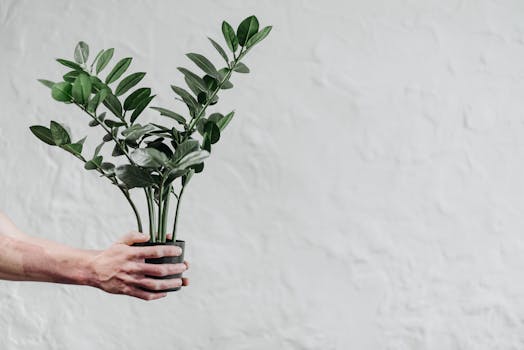
The role of leaves in photosynthesis cannot be overstated. They contain chlorophyll, which captures sunlight, and through a series of chemical reactions, convert carbon dioxide and water into glucose, a form of sugar that plants use for energy.
Oxygen, a byproduct of photosynthesis, is released into the atmosphere, making leaves not only food producers for the plant but also oxygen suppliers for the planet. The role of leaves in photosynthesis is a cornerstone of life on Earth.

Why Are Flowers Important for Reproduction?
Flowers are the vibrant and often fragrant components of plants that serve a crucial purpose in the cycle of life. Their bright colors and sweet scents attract pollinators, such as bees and butterflies, which play a role in the reproductive organs of plants.
The importance of flowers in plant reproduction is evident in their structure, which contains the reproductive parts. Pollinators transfer pollen from one flower to the stigma of another, leading to the fertilization of seeds. This process ensures the continuation of plant species.
Moreover, flowers are not only important for sexual reproduction but can also enhance the genetic diversity of plants, leading to healthier populations that can better withstand environmental changes.

How Do Fruits Contribute to Seed Dispersal?
Fruits are often the delicious byproduct of a plant’s reproductive process, serving as a container for seeds. But beyond their culinary appeal, fruits play a vital role in seed dispersal.
Fruits protect the developing seeds and, once mature, aid in their distribution through various methods such as wind, water, or animals. By dispersing seeds away from the parent plant, fruits increase the likelihood of seed germination and survival.

The functions of fruits and seeds in plants are critical for the spread of plant species across different terrains and ecological niches. This dispersal is essential for the propagation and resilience of plant populations.
What Are the Different Types of Plant Seeds?
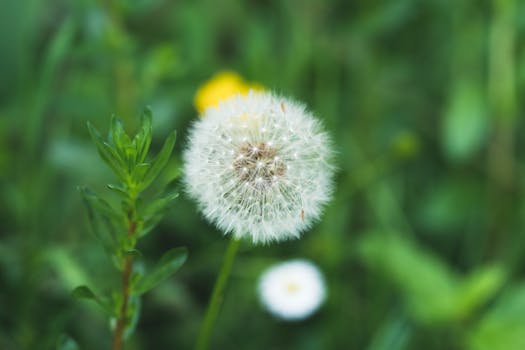
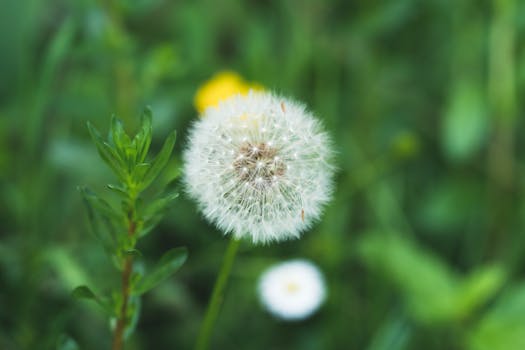
Plant seeds come in a myriad of shapes and sizes, each adapted to its unique method of dispersal and environment. Some seeds are encased in hard shells, while others may have wings or fluffy appendages that allow them to drift on the breeze.
Understanding the different types of plant seeds is key to grasping how plants colonize new areas and how ecosystems are formed and maintained. Seeds are the blueprint for future plant generations, carrying the genetic information needed to give rise to new life.

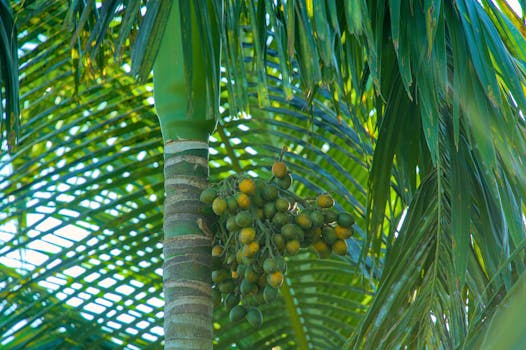
From the smallest orchid seed to the large and robust coconut, seeds ensure the survival of plant species and, consequently, the health of our planet. The diversity of seed types is a testament to the adaptability and ingenuity of plant life.
Related questions about the parts of a plant
¿Cuáles son las 8 partes de la planta?
While the most commonly known parts of a plant are the roots, stem, leaves, flowers, and fruits, a more detailed list of eight parts would include the seeds, the buds—which are embryonic shoots, and the tubers, often used for storage.
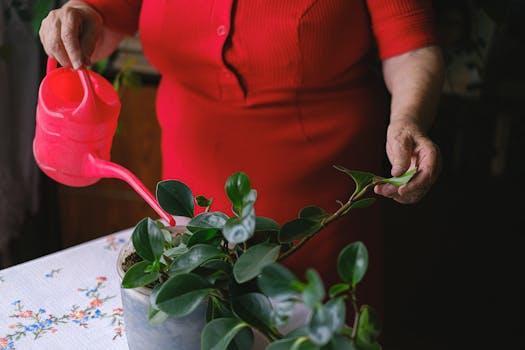
Each part serves its purpose, from the buds that blossom into new plant growth to the tubers that store energy for the plant. Together, these eight parts represent the complex structure and functionality of plant life.
¿Cómo explicar las partes de las plantas a los niños?
Explaining the parts of a plant to children can be done by making comparisons to human anatomy, where roots are like feet that absorb water and nutrients, stems are like our bodies that support everything else, and leaves are like a kitchen where food is made through photosynthesis.
Flowers can be described as the part of the plant that makes seeds, much like a family having children, while fruits are like lunchboxes that carry and protect the seeds until they find a place to grow. This approach makes plant biology relatable and easier to grasp for young minds.
¿Cuáles son las 4 etapas de una planta?
The life cycle of a plant is traditionally divided into four stages: germination, growth, reproduction, and seed spreading. In the germination stage, the seed sprouts and begins to form its root system and initial leaves.
During the growth phase, the plant matures and develops its full foliage, followed by the reproduction stage, where flowers are produced and pollination occurs. Finally, the plant enters the seed spreading stage, where seeds are dispersed to begin the cycle anew.
¿Cuáles son las partes de una hoja y sus funciones?
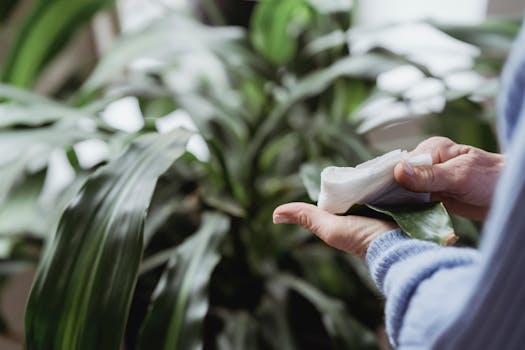
A leaf is composed of several parts, including the blade or lamina, which is the broad, flat area that captures sunlight. The petiole is a stalk that attaches the leaf to the stem, and veins run throughout the leaf, providing support and transporting nutrients and water.
The functions of a leaf are primarily related to photosynthesis, but leaves also play roles in transpiration, respiration, and sometimes storage of nutrients. Understanding the parts of a leaf is essential to understanding how plants interact with their environment.

By examining the intricate parts of a plant, we gain insight into the remarkable systems that sustain life on Earth. The parts of a plant work in unison, ensuring growth, reproduction, and survival. As we understand more about plant biology, we uncover the incredible ways in which plants support not just themselves, but entire ecosystems, providing oxygen, food, and shelter to countless organisms. Plants are the living pillars of our natural world, and their parts are the cogs in the engine of life.