Leaf Anatomy: Understanding the Parts of a Leaf and Their Functions
Leaves are vital to plant life, serving as the primary site for photosynthesis – the process through which plants convert light energy into chemical energy. Often, we admire the beauty of leaves for their various shapes and colors, but understanding their structure and functionality can enrich our appreciation for these natural wonders.
Table of Contents
- What are the main parts of a leaf?
- How does a leaf function in photosynthesis?
- What are the differences between simple and compound leaves?
- What is the role of stipules in leaves?
- How do environmental conditions affect leaf structure?
- What are the common shapes of leaves?
- How do leaves adapt to their environments?
- Related questions about the parts and functions of leaves
What are the main parts of a leaf?
The leaf is composed of several essential parts, each contributing to the plant’s overall health and ability to perform photosynthesis. The main parts include the blade (or limbo), which is the broad, flat area typically associated with a leaf. The petiole is the stalk that connects the blade to the stem, and some leaves also have a sheath, a protective layer at the base of the petiole that can partially envelop the stem. Additionally, leaves may bear small, leaf-like appendages called stipules at the base of the petiole, which protect the developing leaf bud.
These components work together to support the leaf’s primary functions. For instance, the blade, with its large surface area, is critical for absorbing sunlight, while the petiole serves as a conduit for water and nutrients. The stipules, though not present on all leaves, can help protect the leaf when it is in its most vulnerable stages of growth.
The surface of a leaf is divided into the upper (adaxial) and lower (abaxial) parts, each with a distinct texture and purpose. The upper surface often has a thicker cuticle to protect against the sun’s intensity, while the lower surface contains openings called stomata which regulate gas exchange.
How does a leaf function in photosynthesis?
Leaves are the powerhouses of plant growth due to their role in photosynthesis. This process involves the leaf’s chlorophyll, the green pigment that captures light energy, which is then used to convert carbon dioxide from the air and water from the soil into sugars. These sugars fuel plant growth and development.

The leaf’s anatomy is uniquely designed to maximize photosynthesis efficiency. The arrangement of cells within the leaf, including the palisade and spongy mesophyll layers, provides an effective environment for light absorption and gas exchange. Stomata on the leaf’s surface open and close to regulate the intake of carbon dioxide and the release of oxygen.

Furthermore, the vascular system of the leaf, consisting of xylem and phloem, transports water, minerals, and the produced sugars to other parts of the plant. The intricate network of veins in a leaf not only supports the structure but also plays a critical role in the transport of these essential nutrients and compounds.
What are the differences between simple and compound leaves?
Leaf structure and morphology vary widely among plant species. A simple leaf is made up of a single blade on a petiole, while a compound leaf has multiple leaflets attached to a single petiole, giving the appearance of several smaller leaves. This distinction is important for plant identification and understanding the diversity of plant adaptations.
Compound leaves can have different formations, such as pinnate with leaflets arranged along the central axis, or palmate with all leaflets attached at a common point. These adaptations can influence a plant’s ability to capture sunlight and survive in its particular environment.
The difference between simple and compound leaves also affects a plant’s response to environmental stresses. For example, compound leaves might be better suited to windy environments because they can reduce wind resistance and minimize damage.
What is the role of stipules in leaves?
Stipules, though often overlooked, play a vital role in the lifecycle of leaves. These small, leafy appendages protect the tender, developing bud and can vary in form from spiny to glandular or leaf-like. In some species, stipules may fall off once the leaf matures, while in others, they remain and can even carry out photosynthesis.

The presence or absence of stipules and their characteristics are additional features that aid in plant identification. Botanists and horticulturists often use these traits, along with leaf shape and arrangement, to classify plants and understand their evolutionary relationships.
Stipules can also serve as storage sites for extra nutrients or as structures for climbing in some vine species, showcasing the diversity of leaf adaptations.

How do environmental conditions affect leaf structure?
Leaves are incredibly responsive to their surroundings, and environmental conditions play a significant role in shaping their structure. For instance, leaves in dry, sunny environments often have a thick cuticle and reduced stomatal openings to minimize water loss. In contrast, plants in shady, moist environments typically have thinner leaves with larger surface areas to maximize light capture.
Changes in temperature, humidity, light intensity, and the presence of pollutants can all influence leaf morphology. This adaptability is crucial for plant survival and demonstrates the importance of leaves in plant ecology.
Stressors such as drought, excessive heat, or cold can trigger physiological changes in leaves, like wilting or changes in color, indicating the plant’s health status and need for intervention in managed ecosystems like gardens or agricultural fields.
What are the common shapes of leaves?
Leaf shape is a key aspect of plant identification and adaptation. Common leaf shapes include elliptical, lanceolate, ovate, and many others, each suited to particular environmental conditions. For example, needle-like leaves of conifers reduce water loss in cold, dry climates.
- Oblong – Longer than it is wide, with parallel sides.
- Ovate – Egg-shaped, with the broader end at the base.
- Lanceolate – Shaped like a lance tip, long and narrow with a pointed end.
The diversity of leaf shapes in the plant kingdom is remarkable, with each shape offering different advantages in terms of sunlight exposure, water conservation, and even deterring herbivores.
How do leaves adapt to their environments?
Leaves exhibit a wide range of adaptations to thrive in their respective environments. Some have developed waxy coatings or hairy surfaces to reduce water loss in arid climates. Others, like the leaves of aquatic plants, may have air pockets to aid in flotation and oxygen exchange.
In tropical rainforests, where heavy rainfall is common, many leaves have a drip tip, a pointed end that allows water to run off quickly, preventing mold and bacteria growth. In colder regions, some plants have antifreeze proteins to protect their leaves from frost damage.
The types of leaf adaptations are a testament to the evolutionary ingenuity of plants, showcasing their ability to survive and flourish under a wide range of conditions.

Related questions about the parts and functions of leaves
What are the parts of a leaf?
The parts of a leaf typically include the blade, petiole, and often stipules. The blade is the broad, flat part that captures sunlight, the petiole connects the blade to the stem, and stipules, when present, protect the young leaf bud.
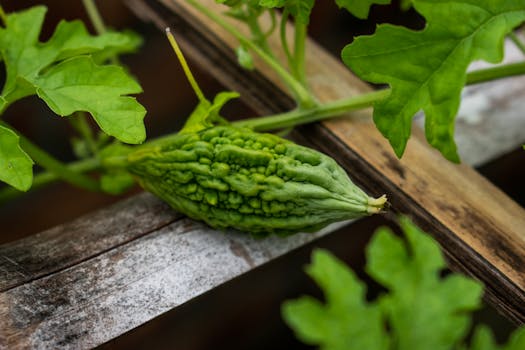
Within the blade, the leaf is made up of layers that include the epidermis, mesophyll, and vascular tissues. These are essential for protecting the leaf, performing photosynthesis, and transporting nutrients and water.
What is a leaf?
A leaf is an organ of a vascular plant, crucial for photosynthesis. It is typically a flat structure that emerges from the stem and is where plants produce food and oxygen, an essential process for the survival of many organisms on our planet.
The leaf’s design is optimized for capturing sunlight and exchanging gases with the environment, making it a key element in the plant’s overall health and growth.
What is the function of leaves?
The primary function of leaves is to facilitate photosynthesis, converting light energy, water, and carbon dioxide into glucose and oxygen. Leaves also play a role in transpiration, helping to regulate water within the plant and the atmosphere.

Furthermore, leaves can serve as storage organs for nutrients, help in the protective defense against predators, and aid in reproduction through the generation of floral structures.
What is the upper surface of a leaf?
The upper surface of a leaf, known as the adaxial side, is generally thicker and has a more robust cuticle to protect against the sun’s rays and prevent excessive water loss. It is also where most of the chlorophyll is concentrated, enabling efficient light absorption for photosynthesis.

The adaxial surface often has a smoother texture and may contain fewer stomata compared to the lower surface, reflecting its adaptation to optimal sunlight exposure.