The rhythmic patterns of nature, the unfolding of seasons, and the life cycles of flora and fauna are all encapsulated within the study of phenology. This scientific discipline extends beyond mere observation, as it holds profound implications for biodiversity, agriculture, and ecological forecasting.
Understanding the intricate timing of natural events helps us navigate the ever-shifting environmental challenges. As we delve into this article, we will explore the essence, significance, and applications of phenology, emphasizing its role in a climate-change context and the ways communities can engage with this fascinating field.
Table of Contents
What is phenology?
At its core, phenology is the study of seasonal natural phenomena, particularly in relation to climate and plant and animal life. It tracks the timings of events such as migrations, hibernation, and breeding among animals, as well as blooming, leafing, and fruiting in plants. By charting these annual cycles, scientists and observers gain insights into the health and changes occurring within ecosystems.
Phenology is not just a modern science; it has deep roots in human history. Many traditional agricultural societies have been keen phenologists without the label, relying on the regular patterns of nature to guide farming and cultural practices.
Today, organizations such as the USA National Phenology Network and Nature’s Notebook encourage citizen scientists to contribute observations, building extensive databases that inform research and resource management.

Why is phenology important?
The importance of phenology lies in its ability to act as a real-time indicator of climate change effects. Changes in phenological events can signal shifts in climate long before other ecological impacts are evident. As plants and animals respond to temperature and precipitation variations, their altered life cycle timings can affect entire food webs and ecosystem services.
Moreover, phenology has practical applications in agriculture, forestry, and fisheries. For instance, knowing the precise timing for plant blooming can aid farmers in optimizing pollination processes and pest management, thereby enhancing crop yields and food security.
Additionally, in the field of ecology, phenological studies contribute to understanding species interactions and biodiversity. They help predict which species might be at risk due to the changing climate, allowing for the development of conservation strategies and adaptation measures.
What are the critical applications of phenology?
Phenology is not just an academic pursuit; it finds practical use in several critical areas:
- Agriculture: Farmers rely on phenological data to determine the best times for planting, harvesting, and applying pest control measures.
- Conservation: Conservationists use phenological information to manage wildlife habitats, track endangered species, and prepare for invasive species.
- Climate science: Phenological records serve as indicators of climatic trends over time, aiding climate scientists in their research.
These applications are enhanced by technological advances and community participation, which together yield a more detailed picture of our changing environment.
How does climate change impact phenology?
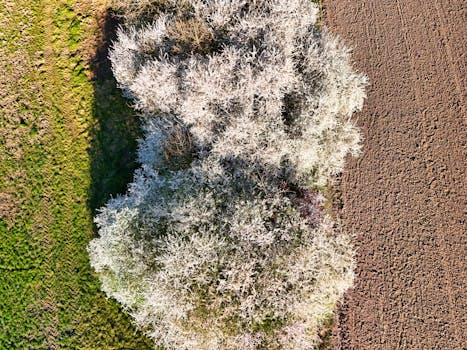
Climate change has a profound effect on phenological events. Warmer temperatures can lead to earlier springs, causing plants to leaf and bloom sooner. Animals may migrate earlier or later than usual, potentially misaligning ecological interactions, such as pollination or predator-prey relationships.
This mismatch can have cascading effects throughout ecosystems, leading to reduced agricultural yields and disrupting the delicate balance of natural habitats. Thus, phenological research is vital in understanding and mitigating the impacts of climate change on both wild and human-supported systems.
What does phenological change mean?
Phenological change refers to shifts in the timing of life cycle events in plants and animals. These changes are often driven by alterations in the environment, particularly those associated with climate change, such as temperature fluctuations and varying precipitation patterns.
Such changes can impact food availability, habitat conditions, and species interactions, potentially leading to reduced biodiversity. Long-term phenological records are crucial in identifying these trends and formulating responses to protect ecosystems.
How can communities participate in phenology?
Community participation in phenology is crucial for gathering widespread, diverse data. Programs like Budburst and FenoDato encourage individuals to observe and record phenological events, no matter how small or mundane they may seem.

By training volunteers to recognize and chronicle events such as the first robin sighting of spring or the last leaf drop in autumn, these programs amass a wealth of information that paints a comprehensive picture of environmental change. Such citizen science initiatives are not only invaluable for research but also for connecting people with their local ecosystems.
Phenology-related questions and insights
What is the meaning of phenology?
Phenology is the scientific study of periodic biological events, such as plant flowering and animal migration, as they relate to climate and seasonal changes. It is a discipline that intertwines ecology, meteorology, and geography to comprehend the natural rhythms of the Earth’s flora and fauna.
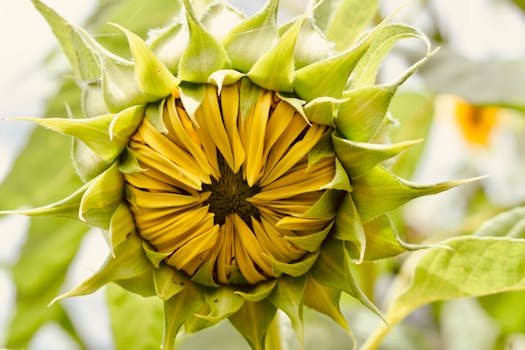
By documenting and analyzing these life cycle events, phenologists gain insights into the health of ecosystems and the effects of environmental changes, particularly those driven by human activity.
What is an example of phenology?
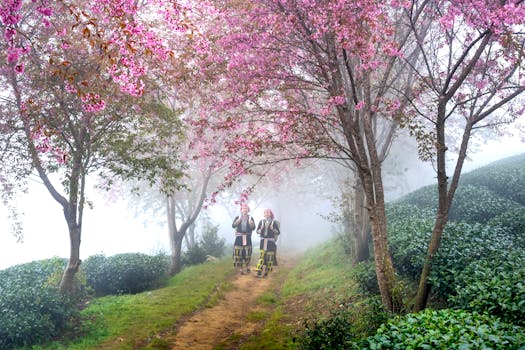
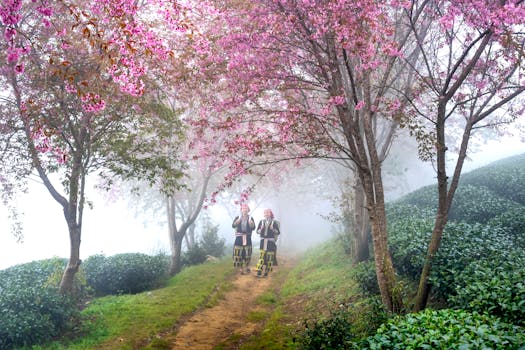
An example of phenology could be the annual bloom of cherry blossoms in Washington, D.C. Observers track the peak bloom dates each year, which are sensitive to temperature changes. This phenological event has become a celebrated indicator of the arrival of spring in the region.
Another example is the fall migration of monarch butterflies from North America to Mexico. The timing of their departure and the length of their journey are phenological events that can offer clues about the effects of climate change on migratory patterns.
What does a phenologist do?
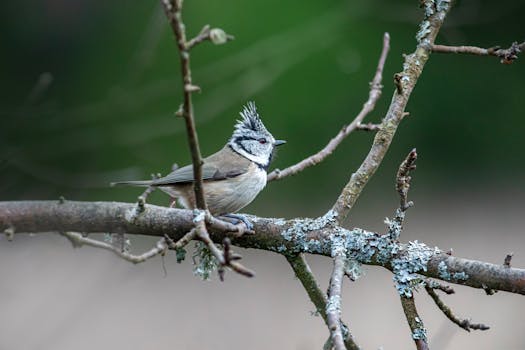
A phenologist studies the timing of seasonal events in the natural world, often focusing on how these events are influenced by environmental variables. This can involve fieldwork to directly observe species, as well as data analysis to discern patterns and trends.
Phenologists also collaborate with other scientists, policymakers, and the public to communicate their findings and inform conservation and agricultural practices.
What are phenological traits?
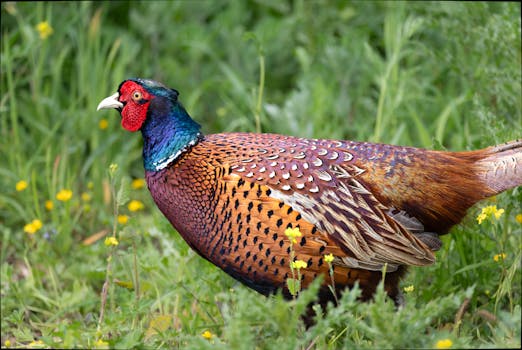
Phenological traits are specific characteristics related to the timing of biological events in organisms. These can include the date of first flowering in plants, the first appearance of migratory birds, or the onset of hibernation in mammals.
Such traits are vital for understanding the life cycles of species and their adaptation to environmental changes, emphasizing the interconnectedness of all life on Earth.
Conclusion
In conclusion, phenology is a window into the soul of our planet, reflecting the intricate dance between organisms and their environment. As we face unprecedented climatic shifts, the study of phenology becomes ever more critical, guiding us towards a deeper understanding and more sustainable interaction with the natural world.