Plankton, the microscopic organisms drifting through our oceans, are more than just a basic element of marine food webs; they are essential to the very lifeblood of our planet. The ocean’s vast expanse teems with these tiny yet mighty organisms, each playing a pivotal role in maintaining the delicate balance of Earth’s ecosystems. From producing oxygen to serving as the foundation of marine life, plankton’s significance cannot be overstated.
Table of Contents
- What are plankton?
- What is marine plankton?
- How are plankton classified?
- What are some examples of plankton?
- What is the importance of phytoplankton?
- What role do zooplankton play in the ecosystem?
- What is mega plankton?
- How does climate change affect plankton populations?
- Related questions about plankton’s significance and mysteries
What are plankton?
At the core of marine ecosystems, plankton are small organisms that cannot swim against the current. They come in various sizes and forms, from the plant-like phytoplankton to the animal-like zooplankton. These organisms are crucial in the ocean’s food chain and are responsible for an impressive half of the world’s oxygen production.
Their existence is vital for the survival of countless marine species, as they provide an indispensable source of food. With their ability to perform photosynthesis, plankton are the starting point for life in the oceans, underpinning the intricate web of marine biodiversity.
Despite their small size, the impact of plankton on the planet is enormous. They influence everything from climate regulation to the availability of seafood, showcasing the interconnectedness of Earth’s various biomes.
What is marine plankton?
Marine plankton encompass a diverse group of organisms that live in the ocean’s pelagic zone. The term plankton is derived from the Greek word “planktos,” meaning wandering or drifting, aptly describing these organisms’ floating existence. Marine plankton includes microscopic algae, bacteria, protozoa, and drifting animals that play a fundamental role in marine food chains and the global carbon cycle.
Their contribution to photosynthesis in phytoplankton is monumental as they convert carbon dioxide into organic matter, which sustains higher trophic levels. Furthermore, their biomass is a key factor in the sequestration of carbon, a process critical in mitigating the effects of climate change.
Marine plankton are not only environmental heroes but also have immense nutritional benefits. Their rich composition has attracted attention for potential dietary supplements and innovative culinary uses.
How are plankton classified?
Plankton classification is based on their size, type, and functional role within the marine ecosystems. The two main categories are phytoplankton, which are plant-like and capable of photosynthesis, and zooplankton, which are animal-like and often graze on phytoplankton.
Further subdivisions include picoplankton, nanoplankton, microplankton, mesoplankton, and macroplankton, each classified according to their size. Scientists also differentiate between holoplankton, which spend their entire life cycle as plankton, and meroplankton, which are planktonic during only part of their life stages.
The classification of plankton extends beyond these categories to include specialized groups like bacterioplankton and mycoplankton, highlighting the complexity and diversity of these organisms in the oceanic environment.
What are some examples of plankton?
Plankton encompasses a myriad of species, each with its unique role and characteristics. Diatoms and dinoflagellates are two of the most well-known forms of phytoplankton, serving as primary producers in the ocean. Copepods and krill are examples of zooplankton that graze on these microalgae and, in turn, support larger marine animals like fish, whales, and seabirds.
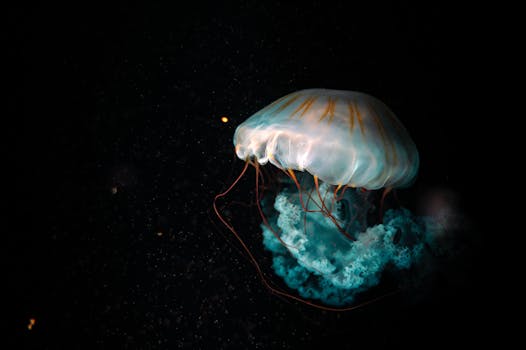
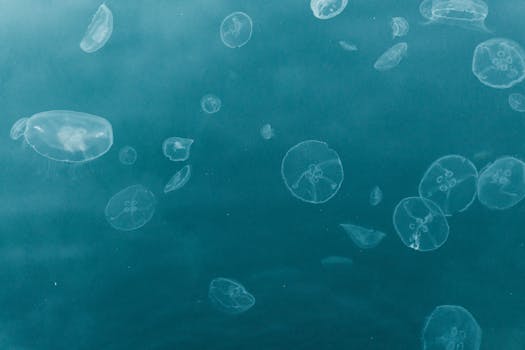
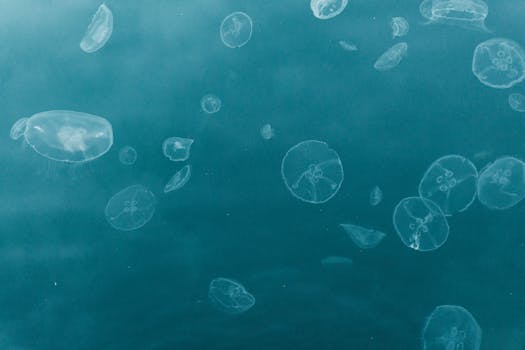
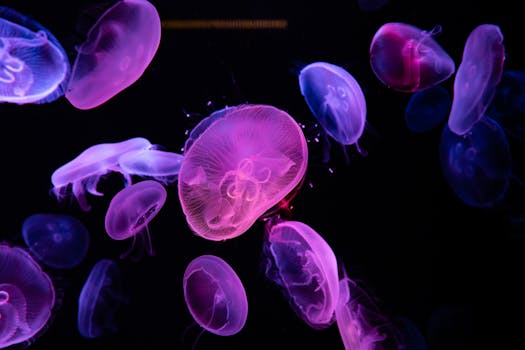
Other notable examples include salps and jellyfish larvae, which represent the gelatinous plankton that play a significant role in vertical carbon transport. These creatures illustrate the rich tapestry of life that exists within the microscopic universe of plankton.
Indeed, the world of plankton is as diverse as it is essential, with each species contributing to the complex mosaic of marine life.
What is the importance of phytoplankton?
- Phytoplankton are the foundation of the aquatic food web, acting as primary producers that convert sunlight and carbon dioxide into energy through photosynthesis.
- They are a vital source of oxygen, contributing substantially to the atmosphere’s oxygen levels, much like terrestrial plants.
- The health and abundance of phytoplankton have direct implications for fish populations and overall oceanic biodiversity.
- Phytoplankton blooms can be seen from space and are indicators of marine productivity as well as ocean health.
- Their sensitivity to environmental changes makes them important bioindicators for monitoring the impacts of climate change on marine ecosystems.
What role do zooplankton play in the ecosystem?
Zooplankton serve as the crucial link between primary producers like phytoplankton and higher trophic levels in the marine food chain. They consume phytoplankton and, in turn, are prey for a wide variety of sea creatures, from small fish to the largest whales.
Their role extends to nutrient recycling as they process and excrete waste that becomes available for other organisms. This nutrient cycling is a key component in maintaining the productivity and health of marine ecosystems.
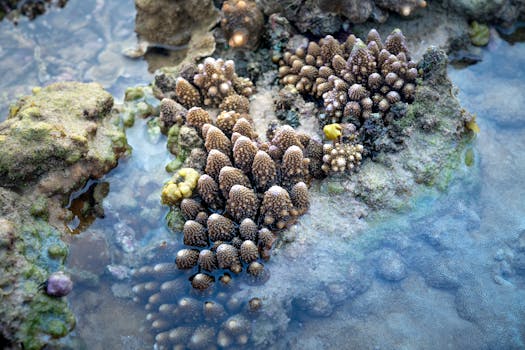
Zooplankton’s role in food webs also includes the transportation of biomass from surface waters to the deep sea, a process known as the biological pump, which has implications for carbon sequestration and climate regulation.
What is mega plankton?
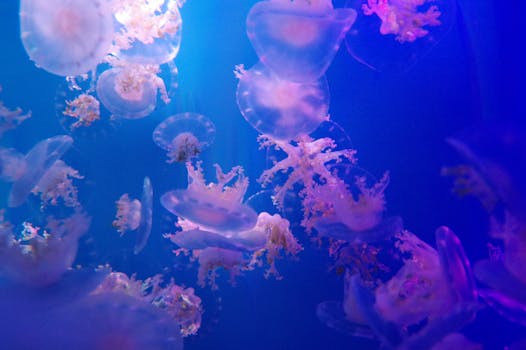
Mega plankton are the giants of the plankton world, typically ranging from 20 centimeters to several meters in size. These include large jellyfish, siphonophores, and certain crustaceans that drift through the water column.
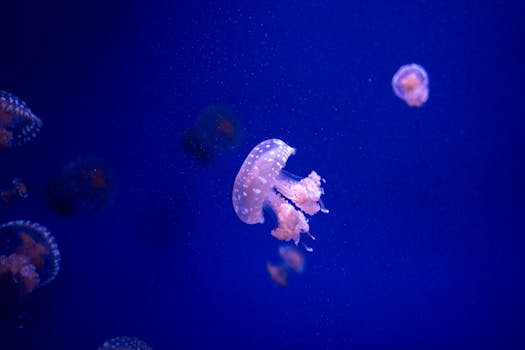
While they are not as abundant as smaller planktonic organisms, their size allows them to play unique roles in the ecosystem, such as acting as habitats for other marine species or influencing water flow with their movements.
Understanding mega plankton and its impact is essential as they represent a significant source of food for large marine predators and are an important part of marine biodiversity.
How does climate change affect plankton populations?
Climate change is having profound effects on plankton populations around the world. Rising sea temperatures, ocean acidification, and changes in sea currents all impact the distribution, abundance, and health of these organisms.
Phytoplankton blooms are shifting in response to climate variables, which can disrupt the timing and balance of food availability for marine animals. Zooplankton species may also be forced to migrate to colder waters, potentially altering existing food webs and predator-prey relationships.

The environmental sensitivity of plankton means that they serve as early indicators of the health of marine ecosystems, giving scientists valuable insights into the broader implications of climate change on ocean life.
Related questions about plankton’s significance and mysteries
What exactly is plankton?
Plankton refers to the diverse collection of microscopic and near-microscopic organisms that drift with ocean currents. This broad group encompasses both phytoplankton, the plant-like organisms that harness the sun’s energy, and zooplankton, the animal-like organisms that feed on phytoplankton and other small particles.
Their role is crucial, as they form the base of the marine food web and contribute significantly to the Earth’s oxygen supply. Understanding plankton is key to appreciating the health and functioning of our ocean’s ecosystems.
Are plankton baby jellyfish?
While some jellyfish are planktonic during their larval stages, not all plankton are baby jellyfish. The term plankton encompasses a vast array of organisms, including bacteria, algae, and small crustaceans. Jellyfish larvae, known as planulae, are considered part of the meroplankton, which are temporarily planktonic.
These planulae drift through the water until they find a suitable surface to attach to and develop into polyps, eventually maturing into adult jellyfish. This life cycle highlights the dynamic nature of marine ecosystems and the diverse life stages that many marine creatures undergo.
Is plankton a fungus or algae?
Plankton is neither a fungus nor solely algae; it is a classification that includes a wide range of drifting organisms. Phytoplankton, one of the primary groups within plankton, are similar to algae in that they are photosynthetic and produce energy using sunlight.
However, the term plankton also includes zooplankton, which are heterotrophic and consume other organisms, unlike fungi or algae. This distinction is important to understand the broad scope of what constitutes plankton and their roles in marine ecosystems.
What is phytoplankton good for?
Phytoplankton are incredibly beneficial for several reasons. They serve as the basis for the marine food web, providing essential nutrients and energy for a myriad of sea creatures. Additionally, they play a significant role in global climate regulation by absorbing carbon dioxide and producing oxygen.
Their health and proliferation are indicators of oceanic productivity and are closely monitored to gauge the impact of environmental changes on marine life. Phytoplankton are not just good for the oceans; they are indispensable for the well-being of our entire planet.