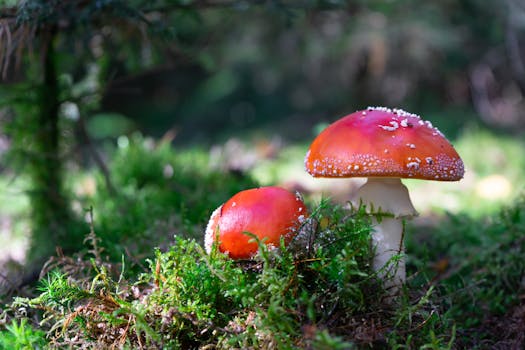
Mushrooms are a delightful addition to many dishes and can be a fun foraging activity; however, distinguishing between edible and poisonous mushrooms is critical for safety. Among these, níscalos, known for their rich flavor, can have dangerous lookalikes.
Table of Contents
- Classes of níscalos and keys to differentiate them
- How to identify poisonous chanterelles
- Is the false níscalo poisonous?
- What mushroom can be confused with níscalo?
- Where can you find false níscalos or Lactarius torminosus?
- How to safely collect mushrooms
- The risks of consuming toxic mushrooms
- Related questions about identifying and avoiding poisonous níscalos
Classes of níscalos and keys to differentiate them
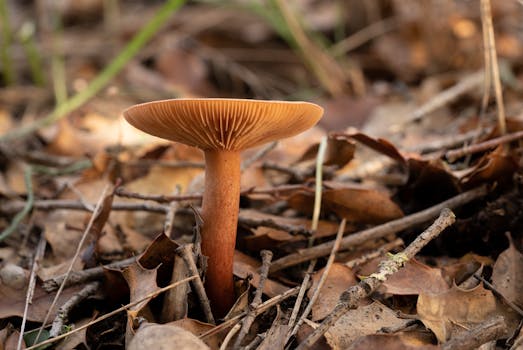
Identifying the correct type of níscalo is crucial to avoid the risks of consuming toxic mushrooms. The edible níscalo, or Lactarius deliciosus, boasts an orange-red cap and emits a milky latex when cut, which may change color. On the other hand, false níscalos, such as Lactarius torminosus, present a similar appearance but differ in cap texture and latex color.
It is important to note the historical significance and nutritional value of true níscalos. These mushrooms have been part of traditional cuisines and are appreciated for their rich taste and health benefits.
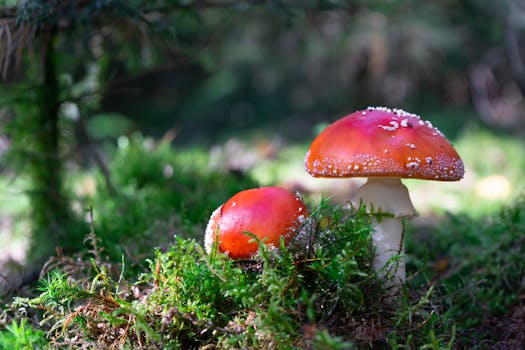
Foragers should learn the differences between edible and poisonous níscalos, including their growth environment. True níscalos are often found in pine forests, while their imitators may grow in different conditions.
How to identify poisonous chanterelles
Poisonous mushrooms, including certain chanterelles, exhibit characteristics that one should be wary of. These may include an irregular cap shape, different shades of color compared to edible variants, and an unpleasant odor.
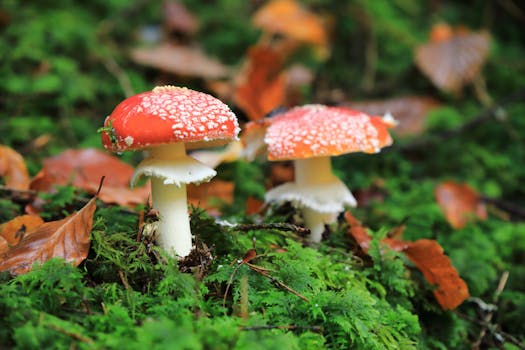
Seeking education on wild mushroom identification is recommended. Online resources, local mycological societies, and field guides can provide valuable knowledge to safely identify poisonous varieties.
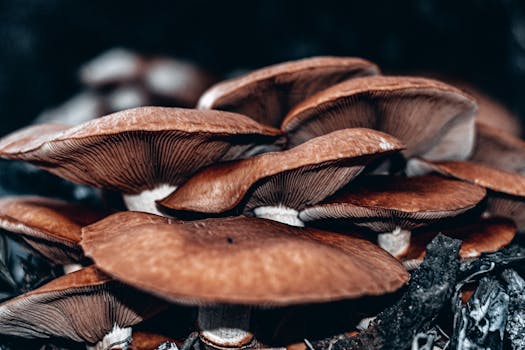
Another precaution is to inspect the mushroom’s gills, spore color, and whether it changes color or emits latex when damaged – key indicators in differentiating species.
Is the false níscalo poisonous?
The false níscalo, while not deadly, can cause significant gastrointestinal distress. It is not considered lethal but eating it can lead to unpleasant symptoms such as nausea, vomiting, and abdominal pain.
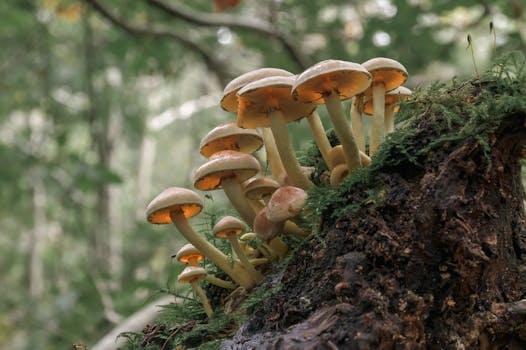
Therefore, knowing the characteristics of níscalos and their toxic lookalikes is essential. The false níscalo typically has a woolly cap edge and its latex does not change color, unlike the edible variety.
It’s imperative to handle any unknown mushrooms with care and consult an expert mycologist before consumption.
What mushroom can be confused with níscalo?
Several mushrooms can be mistaken for the níscalo, especially the false níscalo or Lactarius torminosus. These species can look remarkably similar to the untrained eye, leading to potential misidentification.
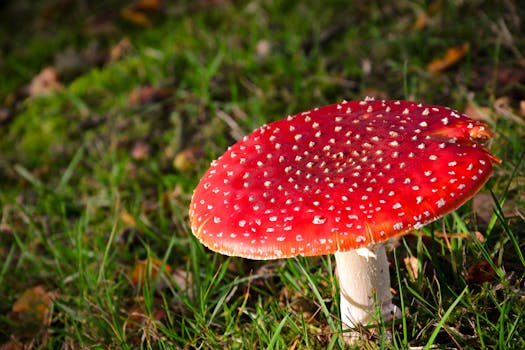
The safe mushroom foraging techniques involve thoroughly researching and understanding the distinct features of each species. Color, cap texture, habitat, and latex reaction are all critical factors.
Utilizing a comprehensive field guide or participating in a foraging workshop can greatly reduce the chances of confusing níscalos with other mushrooms.
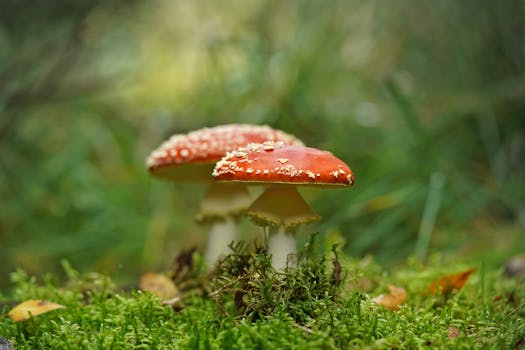
Where can you find false níscalos or Lactarius torminosus?
False níscalos tend to grow in deciduous forests, often under birch trees. They can be found across Europe and North America, particularly in temperate zones.
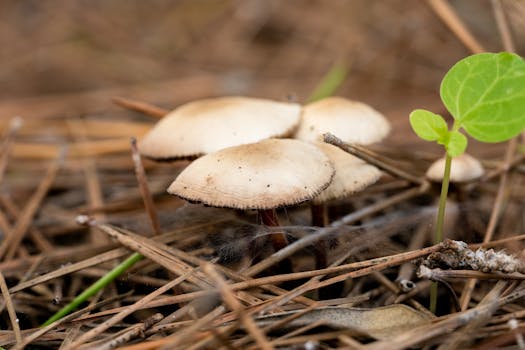
Foragers should be aware of the foraging regulations in their area. These rules are in place to protect wild mushroom populations and ensure sustainable harvesting practices.
It’s recommended to forage with an experienced guide who can help identify Lactarius torminosus and other potentially toxic mushrooms effectively.
How to safely collect mushrooms
- Always forage with a knowledgeable guide or use reliable identification tools.
- Carry a field guide with clear images and descriptions of local mushroom species.
- Use a basket or breathable bag to prevent spoiling and cross-contamination.
- Avoid picking mushrooms near polluted areas as they can absorb toxins from the environment.
- When in doubt, do not consume any mushroom without positive identification.
The risks of consuming toxic mushrooms
“Upon seeing the níscalos, I knew they were not edible,” is a phrase that underlines the importance of recognizing toxic wild mushrooms. Consumption can result in severe health issues, ranging from gastrointestinal distress to more serious conditions requiring medical attention.
It’s vital to educate oneself on the potential hazards and learn how to identify edible mushrooms accurately. Misidentifying mushrooms can also have legal implications, as some species are protected or regulated.
Thankfully, with the correct information and caution, mushroom foraging can be a safe and rewarding experience.
Related questions about identifying and avoiding poisonous níscalos
How can you tell if a níscalo is poisonous?
To determine if a níscalo is poisonous, assess its physical characteristics, such as cap color, gill structure, and whether it exudes latex. Consulting a field guide or an expert is also highly recommended for accurate identification.
The presence of gastrointestinal symptoms after consumption, although not immediate, is an indicator of a toxic mushroom. However, waiting for symptoms is not advisable; proper identification should occur before ingestion.
How can I tell if a níscalo is edible?
An edible níscalo typically has a vibrant orange cap with concentric rings and exudes a white or slightly orange latex when cut. If the latex changes color upon exposure, it’s likely an edible variety.
Nevertheless, never rely on just one characteristic. Cross-reference multiple traits and consult with mycological resources to confirm edibility.
Is the false níscalo poisonous?
While the false níscalo is not lethal, it is considered poisonous due to the gastrointestinal distress it can cause. Avoid consuming any mushrooms that resemble the false níscalo without expert identification.
Seek medical attention if you suspect you’ve ingested a false níscalo or experience adverse effects after eating wild mushrooms.
What mushroom can be confused with the níscalo?
Common lookalikes include the false níscalo and other Lactarius species that display similar colors and grow in the same habitats. Careful examination of cap texture, latex, and gill arrangement is necessary to distinguish between these species.
Joining foraging groups or workshops can enhance your ability to discern these subtle differences and avoid potentially dangerous mistakes.
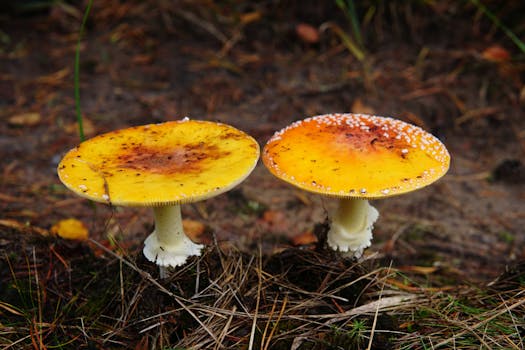
Remember, the art of mushroom foraging is both rewarding and complex. With the right knowledge and respect for the natural world, anyone can enjoy the bounty of edible mushrooms without fear of the niscalos venenosos. Stay informed, stay safe, and happy foraging!


This post is super informative for anyone interested in mushroom foraging! I love how it highlights the importance of distinguishing between edible and poisonous types, especially with mushrooms like níscalos that have tricky lookalikes. It’s a great reminder to always be cautious and seek expert advice if you’re unsure. Thanks for spreading awareness and keeping foragers safe!