
The recycling symbol is one of the most recognizable icons across the globe, representing the process of converting waste into new materials. Understanding the intricacies of this symbol is essential in contributing to a more sustainable world. By educating ourselves on what these symbols mean, we can better sort our waste and participate effectively in recycling programs.
Table of Contents
- What do the numbers in recycling symbols mean?
- How to contribute to better recycling?
- What is the recycling symbol for plastics?
- What does the recycling symbol for medications mean?
- Deciphering the code: Types of plastic and their numbers
- Where to find the recycling symbol for children?
- Related questions about the meaning and importance of recycling symbols
What do the numbers in recycling symbols mean?
At first glance, the symbols on plastic products might seem cryptic, but they hold significant information about the type of plastic used. Known as plastic identification codes, these numbers range from one to seven and indicate the grade of plastic, which affects its recyclability. For example, number 1 represents PETE or PET plastics, commonly used in water bottles and is widely recyclable.
Understanding these numbers not only helps in waste management but also guides consumers in making better purchasing decisions. The recycling symbol with a number inside the chasing arrows triangle is key to identifying what plastics can enter your recycling bin and which ones can’t.

By familiarizing ourselves with these codes, we contribute to the circular economy. This knowledge is crucial, as it allows us to sort our recyclables properly, ensuring that they get a second life instead of ending up in landfills.
How to contribute to better recycling?
Contribution to efficient recycling goes beyond just knowing the recycling symbol. Community participation in recycling programs is fundamental. First, educate yourself about the local recycling rules, as they can differ from one area to another. Know what materials are accepted and how they should be prepared for collection.
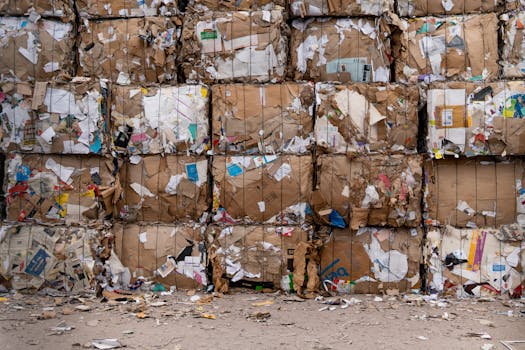
Reducing waste at the source is also crucial. Make conscious choices to avoid single-use plastics and opt for reusable items. Encourage environmental sustainability by supporting brands and products that use recycled or sustainable materials.

Lastly, get involved in local clean-up initiatives. Every piece of waste properly disposed of or recycled is a step towards sustainable development and a healthier planet.
What is the recycling symbol for plastics?
The recycling symbol for plastics is a triangle of arrows, often with a number in the center. This symbol, introduced by the Society of the Plastics Industry (SPI) in 1988, has become a guide for both consumers and recycling facilities. It helps in identifying different types of plastic for effective recycling and waste management.

While the symbol is universally recognized, the actual recycling of the material will depend on local recycling capabilities and regulations. Knowing this symbol and what it represents is the first step in ensuring that plastics are recycled wherever possible.
What does the recycling symbol for medications mean?
Medicinal waste poses a unique challenge in the recycling world. The recycling symbol for medications often means that the packaging can be recycled, but it doesn’t apply to the medicine itself. Pharmaceutical products require proper disposal to prevent environmental contamination and health risks. Many pharmacies have take-back programs for unused or expired medications.
It is critical for consumer awareness that medications are not simply tossed into the trash or flushed down the toilet. By respecting the recycling symbol and following proper disposal methods, we protect our waterways and provide for a safer environment.
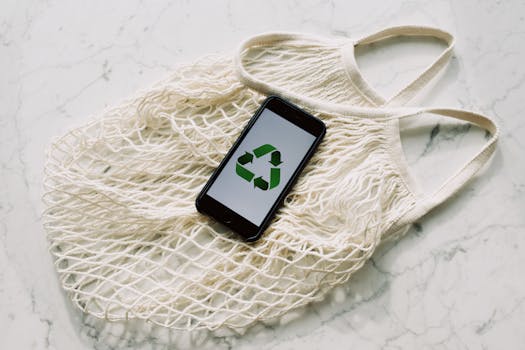
Deciphering the code: Types of plastic and their numbers
- Type 1 (PETE/PET): Common in bottles and food containers, is highly recyclable.
- Type 2 (HDPE): Found in milk jugs and detergent bottles, is also widely recycled.
- Type 3 (PVC): Used in some packaging, is less commonly recycled due to its toxicity.
- Type 4 (LDPE): Includes grocery bags, which some stores collect for recycling.
- Type 5 (PP): Present in yogurt containers and can be more challenging to recycle.
- Type 6 (PS): Styrofoam, is not widely recycled due to its environmental impact.
- Type 7 (Other): A catch-all category, often not recycled due to its varied composition.
Where to find the recycling symbol for children?
Instilling the concept of recycling in children is crucial for the future of our planet. The recycling symbol for children can often be found in educational materials, such as books, games, and school curricula. Interactive resources and programs are designed to teach children the importance of recycling in a way that is engaging and easy to understand.
Many online platforms and environmental organizations offer printable materials and activities. These tools are instrumental in fostering an early understanding of environmental sustainability and the role children play in waste management.

Related questions about the meaning and importance of recycling symbols
What does the recycle symbol mean?
The recycle symbol, featuring three chasing arrows forming a triangle, represents the process of taking a product and transforming it into a new product. This symbol serves as a reminder and an encouragement to consumers and industries to engage in the practice of recycling.
Its presence on a product suggests that the item is recyclable, or made from recycled materials. Understanding this symbol is a foundational aspect of participating in recycling programs and contributing to a circular economy.
What does ♻ mean?
The symbol ♻ is the internationally recognized sign for recycling. It signifies that a product is capable of being recycled or has been made from recycled material. The purpose of this symbol is to encourage recycling and raise awareness about the importance of reusing materials to reduce environmental impact.

When you see ♻, it’s a call to action to ensure that the item enters the correct waste stream, promoting effective recycling and contributing to environmental preservation.
What is the symbol of the 3Rs?
The symbol of the 3Rs stands for Reduce, Reuse, and Recycle. It emphasizes the importance of cutting down waste, finding ways to repurpose products, and finally recycling materials. This holistic approach is crucial for environmental sustainability and is often depicted with three arrows forming a loop, each arrow representing one of the Rs.
Adopting the 3Rs in our daily lives can significantly impact our efforts towards sustainable development and reducing our carbon footprint.
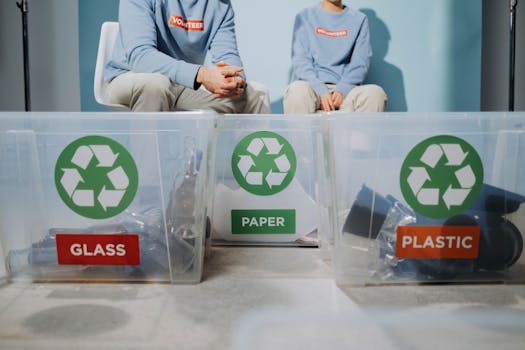
What are the recycling symbols?
Recycling symbols are a set of icons used globally to identify the recyclability of materials. They range from the universal recycling symbol to specific codes for types of plastics. Other symbols may indicate that a product is made from recycled materials or is recyclable in certain facilities only.
Recognizing these symbols allows for proper sorting and disposal of waste, ensuring that materials are handled in an environmentally responsible manner.

By understanding and utilizing the information provided by recycling symbols, consumers can take an active role in supporting recycling efforts. Furthermore, by choosing products wisely and disposing of waste properly, individuals contribute to a more sustainable future, aligning with goals of sustainable development and consumer awareness.
In conclusion, the recycling symbol and its variations are much more than a mark on a piece of packaging; they represent our collective responsibility towards maintaining a sustainable environment. Through education, awareness, and action, we can ensure that the symbol serves its purpose in guiding us towards a greener planet.