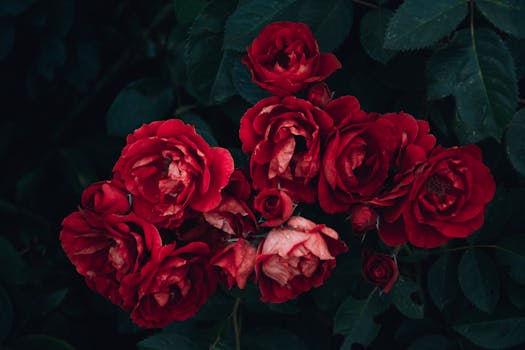
Red flowers are synonymous with passion and vibrancy, often capturing the gaze of both gardeners and those who appreciate natural beauty. Their bold color can transform a landscape, turning an ordinary green canvas into a tapestry of lively hues. In this guide, we explore the world of red flowers, their significance, and how to care for them to keep your garden or home interior bursting with color.
Table of Contents
What are the most popular red flowers?
When it comes to popular red flowers, several species stand out. Tulips and anthuriums are well-loved for their striking appearance and are often featured in ornamental displays. Other favorites include roses, which have long been a symbol of love and affection, and geraniums, known for their hardiness and plentiful blooms. Poppies, with their delicate petals, and amaryllis, with their trumpet-like flowers, are also amongst the cherished selections for gardeners and florists alike.
Each of these flowers brings its own unique qualities to gardens and bouquets. While some, like the classic red rose, are celebrated for their classic beauty and fragrance, others are treasured for their long blooming periods or their ability to attract pollinators. Incorporating a variety of these red blossoms can create a garden that is both visually stunning and ecologically beneficial.
For those seeking a more exotic touch, birds of paradise and red ginger flowers offer an interesting shape and a tropical flair. These are particularly popular in warmer climates and can add an exceptional visual appeal to any setting.
How do red flowers enhance your garden?
Red flowers serve as a powerful focal point in any garden, drawing the eye and complementing the greenery. They can be used to create a sense of depth and dimension when placed strategically amongst plants of contrasting colors. Moreover, red blossoms are known to evoke feelings of warmth and excitement, making them ideal for creating a welcoming atmosphere.
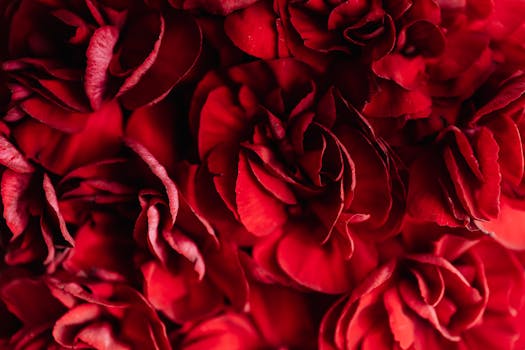
In terms of garden design, using red flowers in landscaping can break the monotony of a single-color garden and add layers of interest. They can be planted in clusters, along borders, or as standalone features in garden beds. Red flowers also pair well with white or yellow blooms, offering a classic color combination that enhances the overall aesthetic appeal of your outdoor space.
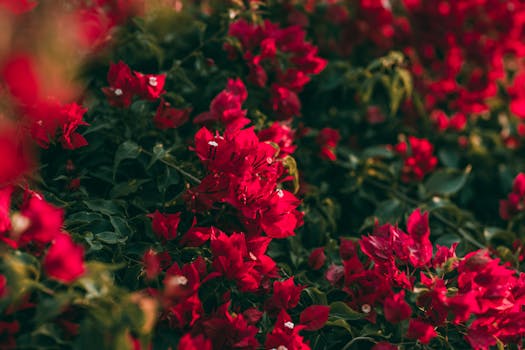
Moreover, certain red flowers, such as the red salvia or bee balm, are not just beautiful but also attract pollinators. This helps to support local ecosystems by providing food for bees, butterflies, and hummingbirds, contributing to biodiversity and the health of your garden.
What is the significance of red flowers?
Red flowers are rich in symbolism. In various cultures, they represent love, courage, and respect, making them a popular choice for romantic gestures and commemorative events. Additionally, they are often associated with strength and vitality, reflecting the energy and life force that they seem to exude.
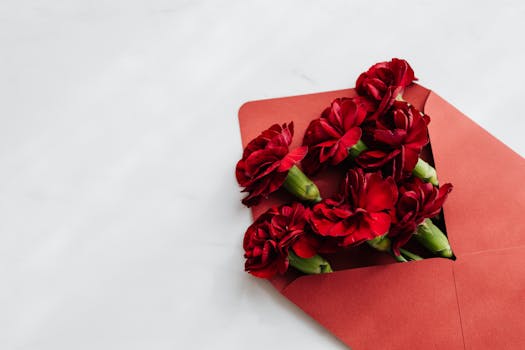
The color red itself is one that commands attention. It is the color of our most intense emotions, from love and passion to anger and power. This intensity is mirrored in red blossoms, which are often given to express strong feelings that words alone cannot convey.
Floral photography and art frequently highlight red flowers due to their striking appearance. These images capture the essence of the flower’s beauty and are used in various media, from greeting cards to canvas prints, to inspire and evoke emotion.
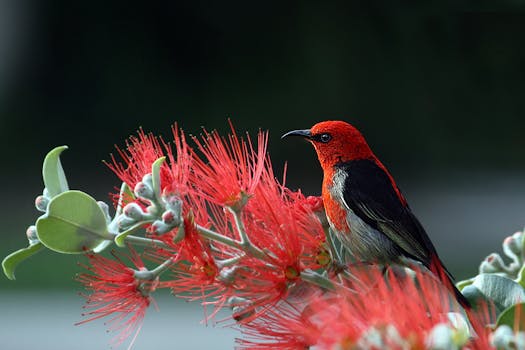
How to care for red flowering plants?
Caring for red flowering plants requires attention to detail. Most red flowers thrive in well-draining soil and benefit from regular watering, particularly during dry spells. However, overwatering can be detrimental, so it’s crucial to find the right balance.
Proper sunlight exposure is also key. While some red flowers, such as roses, prefer full sun, others may require partial shade. Knowing the specific needs of each species will ensure that your red blooms are vibrant and healthy. Fertilization should be tailored to each plant’s requirements, with some needing more frequent feeding than others.
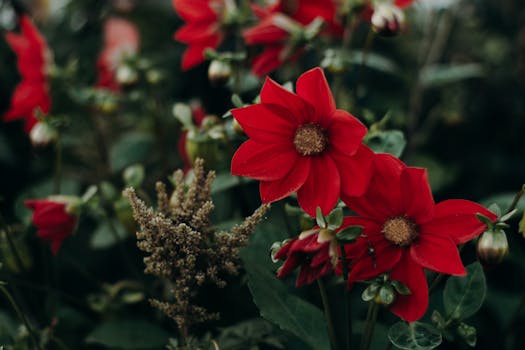
Pruning is another important aspect of care. Removing spent flowers and dead branches not only encourages new growth but also helps to prevent diseases. Moreover, some red flowering plants may benefit from staking to support their stems and maintain their form as they grow.
Where can you find images of red flowers?
In this digital age, high-quality images of red flowers are easily accessible through various online platforms. Stock media websites like Adobe Stock and Unsplash offer a vast selection of floral photography, featuring red flowers in all their glory. These resources are invaluable for designers, bloggers, and anyone in need of striking visuals for their projects.
Additionally, social media platforms and photo-sharing sites often contain collections of red flower images shared by gardening enthusiasts and professional photographers alike. These can be a source of inspiration for your own garden or interior design projects.
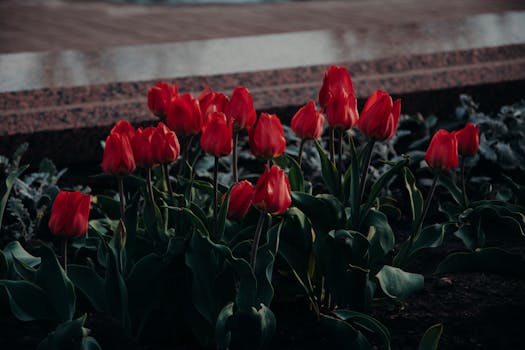
For those looking to capture their own images, gardening websites such as EcologíaVerde provide tips on floral photography, helping you to showcase your red blooms in the best light. With the right techniques, anyone can create beautiful visual content featuring their favorite red flowers.
What are the best red flowers for bouquets?
Bouquets featuring red flowers make a bold statement and are ideal for many occasions. Classic red roses are often the go-to choice for romantic gestures, while red tulips can signify deep love and admiration. For a more dramatic effect, anthuriums offer a unique heart-shaped petal and a central spadix that stands out among other blooms.
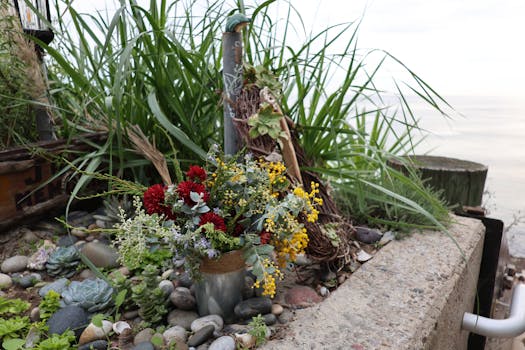
Other excellent choices for bouquets include red ranunculus, with their lush, ruffled petals, and red dahlias, which come in a variety of shapes and sizes. Carnations and gerbera daisies are also popular for their versatility and long-lasting nature.
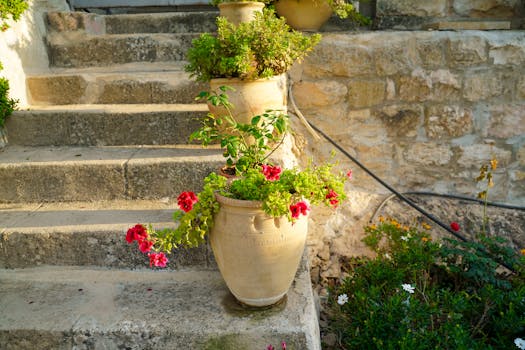
Combining different textures and shades of red can create a bouquet with depth and visual interest. Adding greenery or white flowers can provide contrast, making the reds pop even more. Whether for a wedding, anniversary, or simply to brighten someone’s day, red flower bouquets are a timeless and evocative choice.
Frequently asked questions about red flowers
What red flowers are there?
There is a wide array of red flowers available for gardeners and flower enthusiasts. Some of the most recognized ones include red roses, tulips, geraniums, poppies, and anthuriums. Other notable red flowers are petunias, red hot pokers, and canna lilies, each offering unique shapes and shades of red.
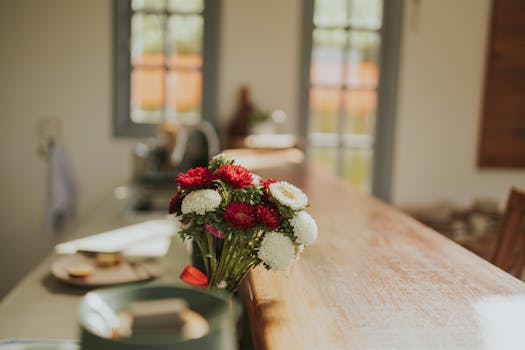
When selecting red flowers for your garden or bouquet, consider the flowering season, sunlight requirements, and overall care needs. This diversity allows for a plethora of choices to suit different climates, garden designs, and personal preferences.
What is this flower 🌺 called?
The flower symbol 🌺 often represents the hibiscus, a tropical plant known for its large, showy blooms that range in color, including various shades of red. Hibiscus flowers are not only beautiful but also attract pollinators and can be used to make teas and other beverages.
Hibiscus plants require warm temperatures and plenty of sunlight to thrive, making them a popular choice in regions with mild to tropical climates. They can be grown in pots or in the ground, and with proper care, they can provide stunning blossoms throughout their blooming season.

What does the red flower mean?
The red flower, especially the red rose, is often associated with love, passion, and desire. In different traditions, red flowers can also symbolize respect, admiration, and courage. They are a universal symbol of deep emotion and are commonly used to convey messages that are heartfelt and passionate.
Aside from romantic connotations, red flowers can denote celebration and congratulations, making them suitable for various joyful occasions. They are versatile in their meanings and can be tailored to the message one wishes to express.
What does giving red flowers mean?
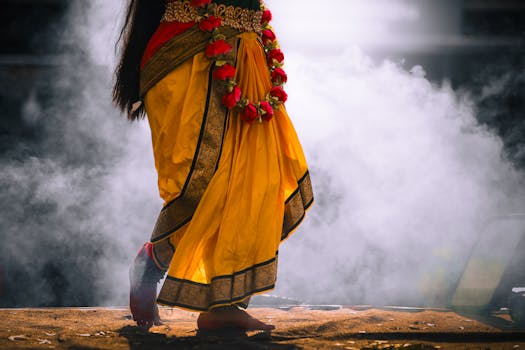
Giving red flowers typically signifies love and affection. They are a classic choice for Valentine’s Day, anniversaries, and whenever one wants to show romantic interest or deepen a relationship. However, the meaning can extend beyond romance to convey admiration, respect, or even solidarity.
The act of giving red flowers can also be a gesture of appreciation or a way to acknowledge someone’s achievements. It’s a powerful way to communicate emotions and sentiments that are sometimes left unsaid, making red flowers a timeless gift with profound impact.
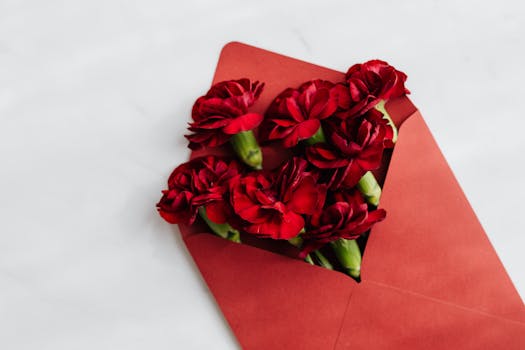
This comprehensive guide to red flowers offers a glimpse into the allure and significance of these vibrant blooms. Whether you’re a seasoned gardener, an interior designer, or simply someone who appreciates the beauty of nature, red flowers have much to offer. Their striking hues can transform spaces and convey a spectrum of emotions, making them an enduring favorite across cultures and contexts.
I love how this post dives into the vibrant world of red flowers! It’s amazing to see how they can completely transform a garden or brighten up a home. The insights on different types of red flowers and their care tips are super helpful, especially for those of us who are still learning the ropes of gardening. Plus, the symbolism behind red flowers adds such a meaningful layer to gifting them. Definitely feeling inspired to add some of these beauties to my space!