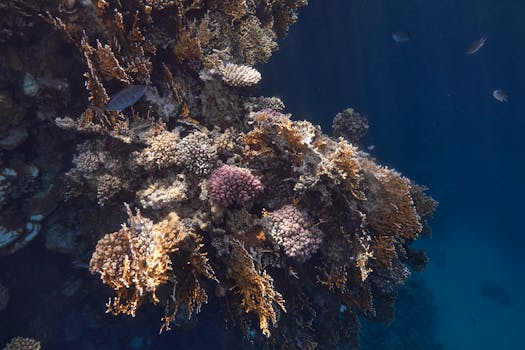
Nestled between the coasts of Africa and Asia, the Mar Rojo, or the Red Sea, has been a central body of water for cultural, historical, and ecological significance. Its vibrant marine life and clear, warm waters attract tourists and researchers alike. Chicago’s culinary scene has also embraced the beauty and flavor of the Red Sea by integrating Nayarit-style seafood dishes that transport diners to the shores of this iconic sea.
Table of Contents
- Where is Mar Rojo located?
- Why is the Red Sea called the Red Sea in the Bible?
- Can you swim in the Red Sea?
- How deep is the Red Sea where the Israelites crossed?
- Why is the Red Sea dangerous?
- What are the popular items of our restaurant?
- What seafood dishes should you try at our Nayarit style restaurant?
- Related questions about the Red Sea
Where is Mar Rojo located?
The Red Sea stretches as a seawater inlet of the Indian Ocean, lying between Africa and the Arabian Peninsula. This strategic location has made it an important route for trade and travel throughout history. Bordered by countries like Egypt, Sudan, Eritrea, and Saudi Arabia, the Red Sea is known for its unique biodiversity and as a popular destination for diving and snorkeling.
With its northern tip connected to the Suez Canal and the Gulf of Aqaba, and the Bab-el-Mandeb strait linking it to the Arabian Sea at its southern end, the Mar Rojo is a gateway between East and West.
The sea’s geographical positioning has also been critical in many historical events, especially those documented in ancient religious texts, which add to the region’s mystery and allure.
Why is the Red Sea called the Red Sea in the Bible?
The name “Red Sea” is derived from its ancient designation where “Red” is possibly related to the direction south, similar to how the Black Sea may refer to north. The biblical reference to the Red Sea often connects to the story of Moses parting its waters, allowing the Israelites to escape from Egypt.
Folklore and ancient texts may also attribute the name to seasonal blooms of red algae, which can color the water. However, the exact reason behind its name remains a topic of debate among scholars and theologians.

Regardless of the origin of its name, the Red Sea continues to hold significant cultural importance, drawing interest from both the faithful and the curious.
Can you swim in the Red Sea?
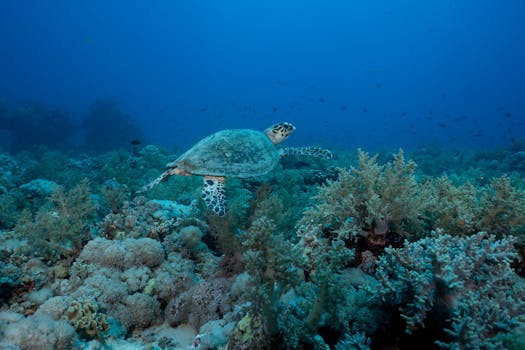
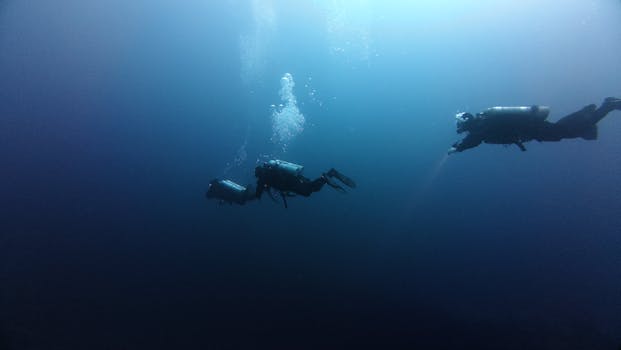
Yes, the Red Sea is a popular destination for swimming, with its warm waters and abundant marine life offering a paradise for swimmers and snorkelers. The area’s extensive coral reefs are among the world’s most impressive, providing a habitat for a wide array of fish species.

However, while swimming, it is crucial to follow safety tips for swimming in the Red Sea. Always swim in designated areas, use appropriate gear, and never touch the corals to preserve the delicate ecosystem.
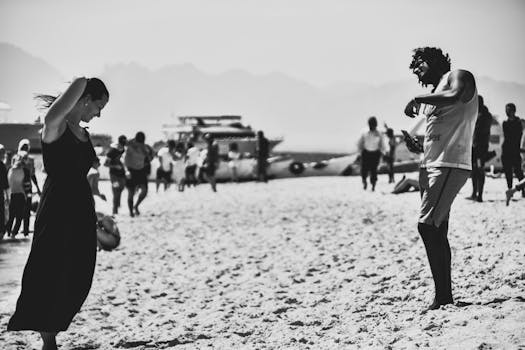
Visitors can enjoy a variety of Activities in Red Sea, such as diving, snorkeling, and relaxing on its many beaches, making it an ideal location for water enthusiasts.
How deep is the Red Sea where the Israelites crossed?
The exact location where the Israelites are said to have crossed the Red Sea is not known and has been the subject of much speculation. Some theories suggest crossing points at the Sea of Reeds, a marshy area at the northern end of the Red Sea.
The Red Sea itself has significant depths, with its deepest point reaching over 7,000 feet. Nonetheless, the crossing’s location is often debated among historians and archaeologists, with various suggested sites, none of them confirmed.
The depth and the historical significance of the crossing have added to the Mar Rojo’s mystique, making it a fascinating topic for discussion and research.

Why is the Red Sea dangerous?
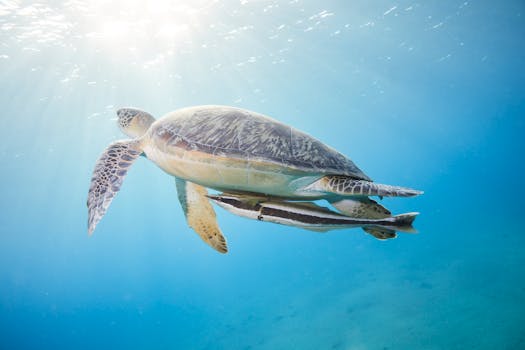
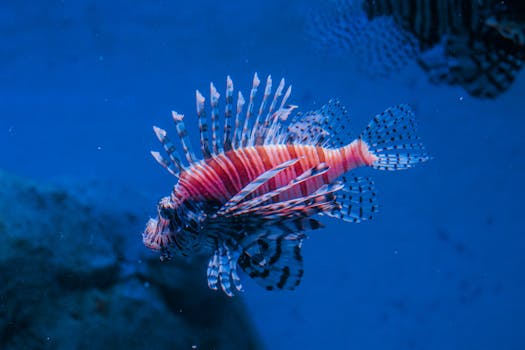
The Red Sea can be dangerous due to strong currents, steep drop-offs, and its population of potentially hazardous marine creatures, such as lionfish and sea urchins. Visitors should always exercise caution, even when engaging in leisure activities like diving or snorkeling.
Moreover, geopolitical tensions in the region can at times heighten risks, so travelers are advised to stay informed of the current political climate before visiting.
Despite these concerns, with appropriate precautions and respect for the environment, the Red Sea remains a safe and remarkable destination for many tourists each year.
What are the popular items of our restaurant?
- Mojarra Frita – A whole fried fish seasoned with traditional spices, often served with rice and beans.
- Pulpo Enojado – A spicy dish featuring tender octopus, which is a favorite among those who enjoy bolder flavors.
- Caldo 7 Mares – A savory seafood soup that combines seven different types of seafood, a hearty meal that reflects the sea’s bounty.
- Empanadas de Camaron – Shrimp-stuffed pastries that are perfectly crispy on the outside with a flavorful filling.
These popular dishes showcase the best of Nayarit cuisine, each offering a unique taste experience reminiscent of the sea’s freshness and diversity.
What seafood dishes should you try at our Nayarit style restaurant?
When visiting a Nayarit-style restaurant, especially one that prides itself on traditional cooking methods and family recipes, there are a few dishes you simply must try:
Mojarra Frita is a staple – a whole fish, expertly fried to achieve the perfect balance of crispy skin and tender flesh. It’s often paired with lime and salsa to add a zesty kick to each bite.
For those with adventurous palates, Pulpo Enojado, or “Angry Octopus”, is a fiery dish that showcases the versatility of seafood when combined with bold spices.
Additionally, no visit is complete without sampling the Caldo 7 Mares, a robust seafood stew that warms the soul with its rich blend of flavors from the sea.
Related questions about the Red Sea
Where is Mar Rojo?
The Red Sea is a narrow seawater inlet of the Indian Ocean, located between Northeast Africa and the Arabian Peninsula. It is a vital waterway for global trade and known for its stunning coral reefs and diverse marine life.
It also holds historical significance due to its mention in biblical narratives and serves as a border for several countries, making it geopolitically important.
Can you swim in the Red Sea?
Swimming in the Red Sea is both safe and enjoyable, provided that you adhere to safety guidelines. Its clear, warm waters are inviting for swimmers of all levels, and the abundant marine life makes for an unforgettable experience.
However, it is essential to be aware of your surroundings and follow local advice to ensure a safe swimming experience.
How deep is the Red Sea where the Israelites crossed?
The depth of the Red Sea varies greatly across different areas. While the exact crossing point of the Israelites is not known, the sea’s average depth ranges from relatively shallow coastal waters to depths exceeding 2,000 meters in its central trough.
The debate over the crossing’s location has sparked numerous studies and continues to intrigue both the faithful and the scientific community.
Why is it named Red Sea?
The origin of the name “Red Sea” is subject to various theories, including ancient translations and the presence of red algae blooms. In historical texts, the sea is often associated with the direction south, which may be a factor in its naming.
The name has endured through the centuries and remains the common term for this captivating body of water.