The majestic cocodrilo marino, or saltwater crocodile, is a fascinating and formidable predator in the world’s tropical waterways. Known for its imposing size and strength, it commands respect across its range. This article delves into the remarkable life of the saltwater crocodile, exploring its habitat, behavior, and the awe-inspiring traits that make it a subject of interest for wildlife enthusiasts and conservationists alike.
Table of Contents
- What is the saltwater crocodile?
- Where can you find the saltwater crocodile?
- What is the size of the saltwater crocodile?
- What are some interesting facts about the saltwater crocodile?
- How long does a saltwater crocodile live?
- What is the largest saltwater crocodile ever recorded?
- Related questions about saltwater crocodile curiosities
What is the saltwater crocodile?
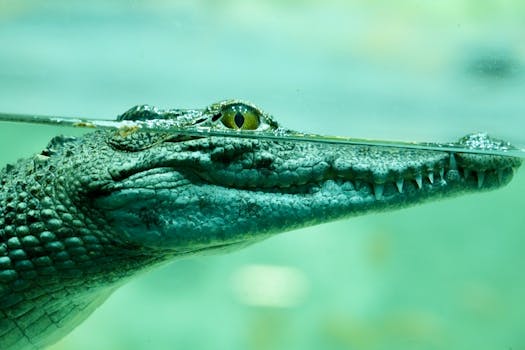
The saltwater crocodile (Crocodylus porosus) is the largest of all living reptiles, as well as the largest riparian predator in the world. These crocodiles are known for their incredible adaptation to both salt and freshwater environments, which contributes to their widespread distribution.
They have a broad diet that can include fish, birds, and mammals, showcasing their role as apex predators. The saltwater crocodile is distinguished by its large size, robust body, and a broad snout that is somewhat shorter and wider than other crocodiles.
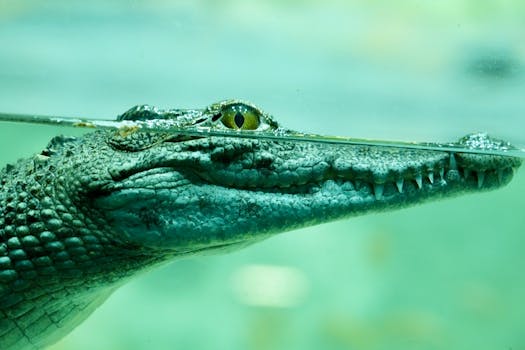
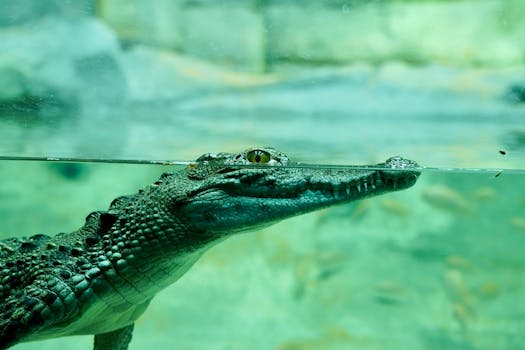
Recognizable by their dark green or brown color, which provides excellent camouflage in their murky river habitats, these creatures are not just powerful predators but also key players in maintaining ecosystem health.
Where can you find the saltwater crocodile?
Saltwater crocodiles are primarily found in the coastal regions of Southeast Asia and Australia. Their habitats range from the eastern coast of India to northern Australia and Micronesia. They frequent the brackish and freshwater regions of mangrove swamps, estuaries, deltas, lagoons, and lower stretches of rivers.
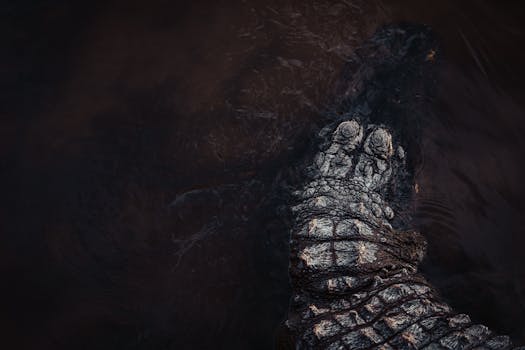
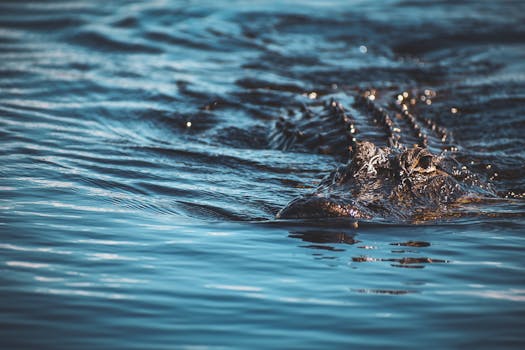
They have been notably photographed in the Daintree River of Queensland, Australia, which is known for its rich biodiversity. The adaptability of these crocodiles allows them to travel far out to sea, which is a unique trait among crocodilians.
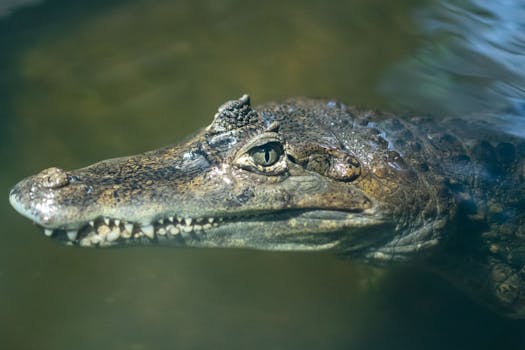
Conservation efforts play a vital role in preserving the saltwater crocodile habitat and behavior, ensuring these ancient creatures continue to thrive in their natural environment.
What is the size of the saltwater crocodile?
The immense size of the saltwater crocodile is a source of both fascination and fear. On average, males can reach lengths of up to 6 meters (20 feet) and weigh over 1,000 kilograms (2,200 pounds), with females being significantly smaller, usually no more than 3 meters (10 feet).
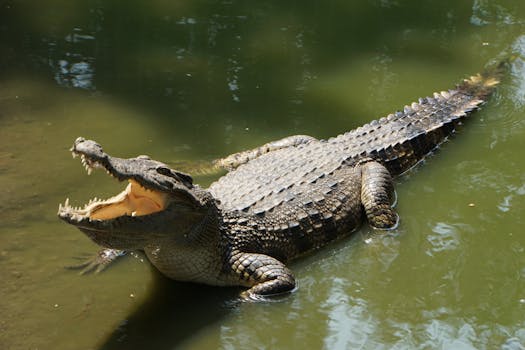
The size comparison of saltwater crocodiles to other crocodile species highlights their dominance in size. They have the strongest bite of any living animal, which is crucial for capturing and dismembering prey.
A size comparison of saltwater crocodiles to other animals often illustrates the sheer scale of these reptiles, with large individuals being comparable in size to some marine mammals.
What are some interesting facts about the saltwater crocodile?
- They can live in both salt and freshwater environments due to specialized glands that excrete excess salt from their bodies.
- Their swimming abilities are exceptional; they are known to ride ocean currents to travel long distances.
- They possess an incredible force in their jaws, with a bite force of over 16,000 newtons.
- Fascinating saltwater crocodile facts include their complex social structure and communication, which involves vocalizations and body language.
How long does a saltwater crocodile live?
The lifespan of the saltwater crocodile is impressive, with many living up to 70 years in the wild, and some individuals reported to live over a century. Their longevity contributes to their mature size, as they continue to grow throughout their lives, albeit at a slower rate after reaching maturity.

Their survival is largely dependent on the avoidance of humans and other large predators during their vulnerable juvenile stages. Mature adults have no natural predators apart from humans, who have historically hunted them for their skin and meat.
Efforts in wildlife protection and nature conservation have seen the resurgence of population numbers in many areas where the species had previously been threatened.
What is the largest saltwater crocodile ever recorded?
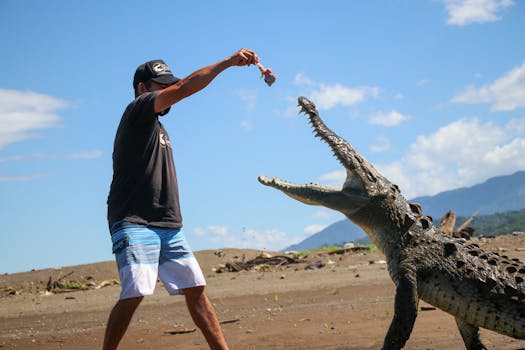
The largest confirmed saltwater crocodile ever recorded was named Lolong, an individual that measured an incredible 6.17 meters (20 feet 3 inches) and weighed around 1,075 kilograms (2,370 pounds). Captured in the Philippines in 2011, Lolong was an example of the extreme size these creatures can reach.
There have been unverified reports of even larger largest saltwater crocodile sightings, with claims of individuals over 7 meters (23 feet) long, but these lack scientific confirmation.
The search for the biggest saltwater crocodile continues to intrigue researchers and wildlife enthusiasts, highlighting the need for continued ecological studies and conservation efforts to protect these ancient reptiles.
Related questions about saltwater crocodile curiosities
What is the largest saltwater crocodile ever recorded?
The record-holder is Lolong, measured at a staggering 6.17 meters in length. Lolong’s size was a testament to the growth potential of these reptiles in optimal conditions. His capture and subsequent death in captivity brought attention to the challenges of keeping such large wild animals in confinement and the importance of conservation in their natural habitats.
Despite Lolong’s impressive dimensions, there is always the possibility that larger individuals exist in the remote corners of their range, yet to be discovered by humans.
Is there a difference between saltwater and freshwater crocodiles?
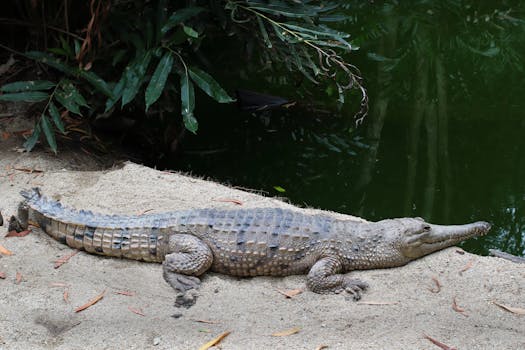
Saltwater and freshwater crocodiles, or “freshies,” differ significantly. Freshwater crocodiles (Crocodylus johnstoni) are smaller, have a narrower snout, and are less aggressive than their saltwater counterparts. They inhabit different ecological niches and have adapted to distinct habitats within Australia.
Understanding the distinctions between the two species is crucial for wildlife protection and educating the public about the unique behaviors and conservation needs of each species.
Where do Crocodylus porosus live?
Crocodylus porosus is widely distributed across the coastal areas of Southeast Asia, the eastern coast of India, and northern Australia. They are most commonly found in mangrove swamps, estuaries, deltas, and rivers. Protection of these habitats is essential for their survival and the overall health of the ecosystems they inhabit.
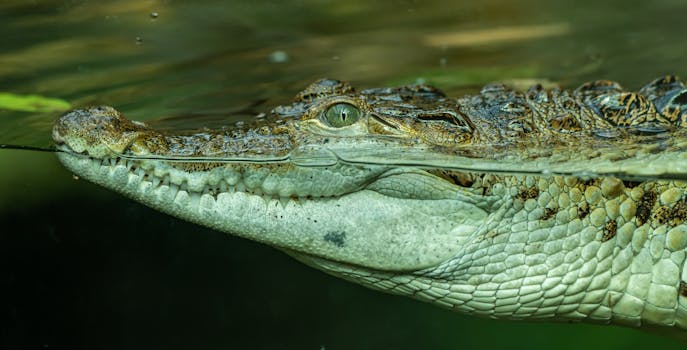
Their presence in a region is often an indicator of the environment’s health, making them a key species for ecological monitoring.
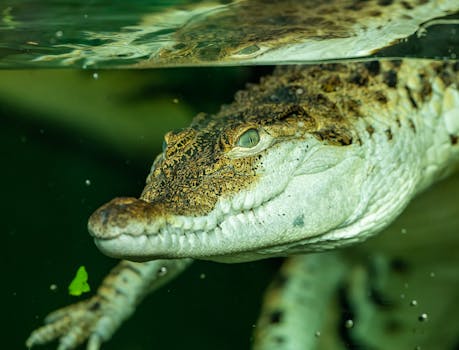
How strong is a Crocodylus porosus bite?
The bite strength of a saltwater crocodile is unmatched, estimated to be about 3,700 pounds per square inch (psi), which is significantly stronger than that of great white sharks or lions. Their powerful jaws are one of the many adaptations that have allowed them to remain virtually unchanged for millions of years.
This incredible force is necessary for their survival, as it enables them to capture and process a variety of prey, ensuring their place at the top of the food chain.
With their captivating history and presence, the saltwater crocodile remains a subject of both admiration and study. Conservation efforts are crucial in ensuring these creatures continue to thrive, not just for their own sake, but for the health of the ecosystems they help sustain.