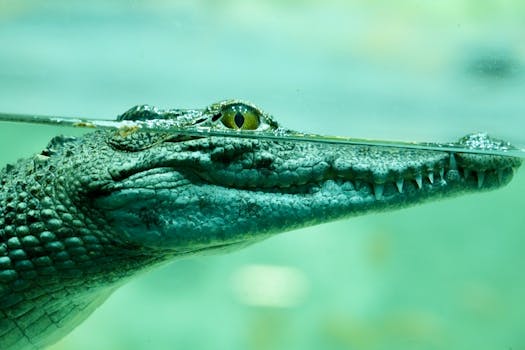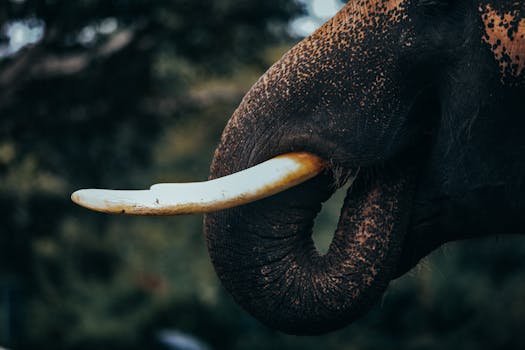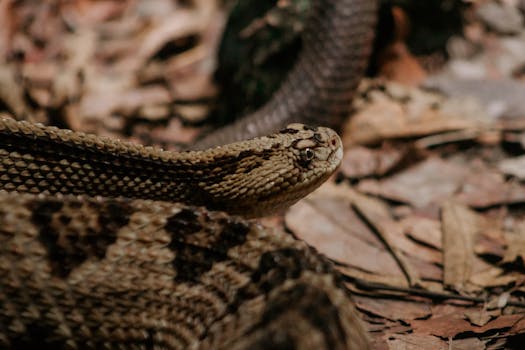
Exploring the diverse and intricate world of terrestrial animals is a journey through the evolutionary history and the myriad adaptations that life has undertaken to thrive on land. From towering elephants to minuscule insects, each species exhibits fascinating characteristics that are a testament to their resilience and adaptability in various terrestrial habitats.
These land-dwelling creatures, known as animales terrestres in Spanish, have conquered nearly every corner of the Earth’s surface. Their success story is one of transformation and innovation, allowing them to occupy ecological niches far different from their aquatic ancestors. Let’s delve into the specifics that make terrestrial animals an essential part of our planet’s biodiversity.
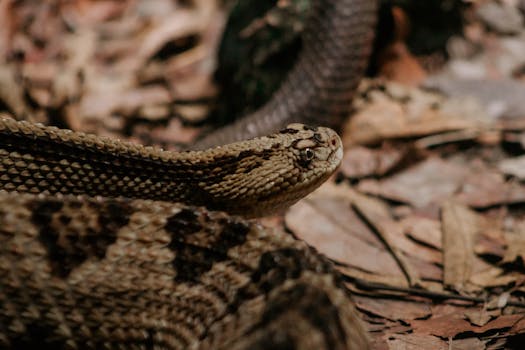
Table of Contents
What are terrestrial animals?
The term terrestrial animals refers to a diverse group of living organisms that spend the majority of their lives on solid ground. These creatures are adapted to life away from water bodies, featuring unique physiological traits that allow them to navigate, feed, reproduce, and ultimately survive in their land-based environments.
Unlike their aquatic counterparts, terrestrial animals are equipped with specialized respiratory systems such as lungs, which enable them to take in oxygen from the air. Their limbs and body structures are also modified to support their weight and facilitate movement across a variety of terrains.
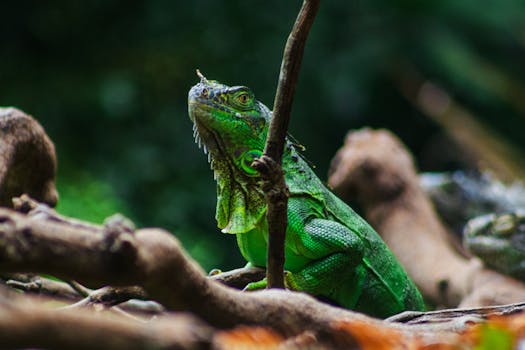
A common characteristic among these animals is the presence of sensory adaptations, including acute vision and hearing, which are crucial for detecting predators and prey. Their skin or outer covering, be it fur, scales, or exoskeletons, often serves as protection against the elements and predators.
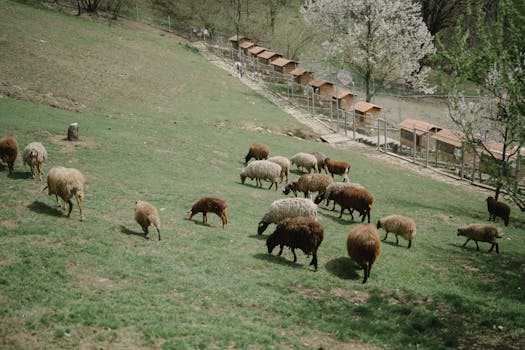
Characteristics of terrestrial animals
- Skeletal structure: Many terrestrial animals have a robust skeletal system that supports their body on land.
- Respiratory adaptations: Lungs or specialized breathing mechanisms are essential for air intake.
- Sensory development: Enhanced senses are necessary for communication, hunting, and survival.
- Thermoregulation: The ability to maintain body temperature is vital in varying climates.
- Reproductive adaptations: Methods of reproduction are often tailored to ensure the survival of offspring in a terrestrial setting.
Types of terrestrial animals
Terrestrial animals can be broadly classified into several categories based on their anatomical and physiological features. Mammals, such as lions and kangaroos, are warm-blooded creatures with fur or hair that typically give birth to live young and produce milk to nourish them.
Reptiles, including snakes and lizards, are cold-blooded animals with scales that lay eggs, while birds are warm-blooded, feathered creatures known for their ability to fly, although some are flightless.
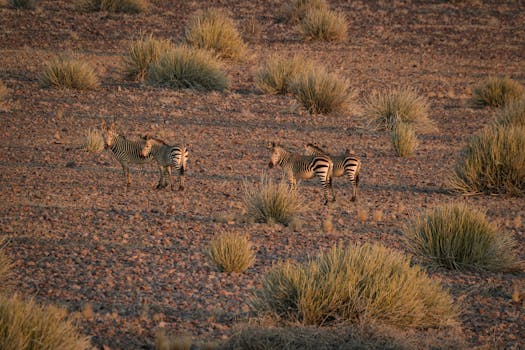
Insects and other arthropods boast an exoskeleton and jointed legs, and amphibians, like frogs and salamanders, usually start their lives in water and undergo metamorphosis to become land-dwellers.
Examples of terrestrial animals
Some iconic examples of terrestrial animals highlight the vast diversity found on land. Elephants, with their impressive size and intelligence, are a prime example, as are agile cheetahs, known for their speed. The elusive snow leopard, adapted to cold mountainous regions, and the Australian kangaroo, capable of remarkable jumps, further illustrate the range of adaptations in land animals.
Among the smaller species, ants are an example of highly social insects that form complex colonies. Meanwhile, the tortoise is renowned for its slow movement and long lifespan. Each of these animals showcases different survival strategies shaped by their terrestrial habitats.
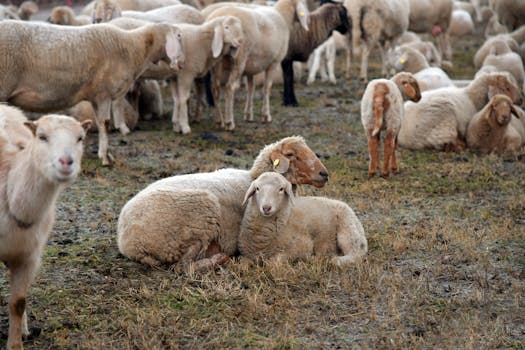
Terrestrial animals for kids
When introducing kids to the concept of terrestrial animals, interactive and engaging methods are key. Simple definitions, colorful illustrations, and hands-on activities can help foster a child’s understanding and curiosity about the animals that live on land.
Storybooks, toys, and educational videos are great tools to teach children about the different types of terrestrial animals and their unique habitats. Visits to zoos or nature reserves can provide an up-close experience with these fascinating creatures.
How are terrestrial animals classified?
Classification of terrestrial animals is a scientific method that organizes them based on shared characteristics and evolutionary relationships. This system places animals into hierarchical groups like kingdom, phylum, class, order, family, genus, and species.

For example, mammals are categorized in the class Mammalia because they share common features such as mammary glands and a neocortex. Within the class Mammalia, animals are further divided into orders like Carnivora for meat-eaters or Primates, which includes humans and apes.
Modern classification also considers genetic information, which can lead to reclassification as more about an animal’s genetic heritage is understood.

What adaptations do terrestrial animals have?
Adaptations in terrestrial animals are specialized traits that have evolved to enhance survival on land. These can be physical, such as the development of strong limbs for locomotion, or behavioral, like migration patterns to escape harsh weather.
One significant adaptation is the development of different feeding strategies, with animals evolving specialized teeth, beaks, or digestive systems to make use of a variety of land-based food sources.
Camouflage is another critical adaptation that helps many terrestrial animals blend into their environment to evade predators or surprise prey. Additionally, some species have developed complex communication systems to maintain social structures and warn of dangers.
Related questions about terrestrial animals
What constitutes terrestrial animals?
Terrestrial animals are primarily defined by their life on land. They have evolved from aquatic ancestors and now possess adaptations that allow them to breathe air, move, and reproduce on solid ground outside of water environments.
These animals encompass a wide range of species, each with specialized traits to cope with the challenges of terrestrial life, from deserts and forests to grasslands and urban areas.

What are the top 10 names of terrestrial animals?
Some of the most well-known terrestrial animals include the African elephant, Bengal tiger, giant panda, American bison, polar bear, red kangaroo, common ostrich, brown bear, African lion, and the Galapagos tortoise.
Each of these species has become emblematic due to their distinct characteristics, roles in their ecosystems, or conservation status.
What are the five largest terrestrial animals?
The five largest terrestrial animals by size and weight include the African elephant, which holds the title of the heaviest land animal, followed by the white rhinoceros, the hippopotamus, the Asian elephant, and the giraffe, which is the tallest land animal.

These impressive giants showcase the diversity of size and adaptation among creatures that call Earth’s landscapes their home.
Can you name 10 animals?
Apart from the previously mentioned terrestrial animals, other notable species include the gorilla, the bald eagle, the Komodo dragon, the emperor penguin, the golden eagle, the Siberian tiger, the green anaconda, the American alligator, the spotted hyena, and the Arabian oryx.

These species, among countless others, contribute to the rich tapestry of life that makes up our planet’s terrestrial fauna.