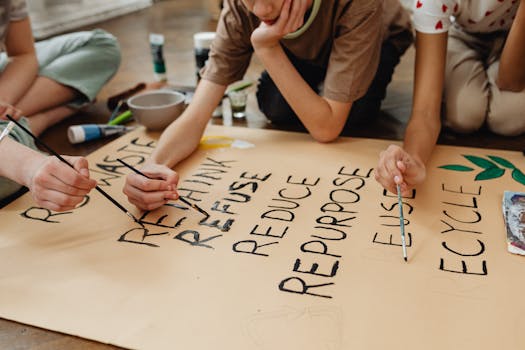
The concept of las 3 r has become a cornerstone in the movement towards sustainability. This simple yet impactful philosophy encourages individuals to minimize their environmental footprint through mindful consumption and waste management.
Understanding and implementing las 3 r—reduce, reuse, and recycle—can lead to a healthier planet and a more fulfilling way of life. It’s not just an environmental action but a personal commitment to stewardship of our resources. Now, let’s delve into the intricacies of this philosophy and its practical applications.

Table of Contents
- What is the philosophy behind las 3 r’s?
- How can you apply the 3 r’s in daily life?
- What are the benefits of reducing waste?
- Why is reusing important for the environment?
- How does recycling contribute to sustainability?
- What are some creative ways to reuse items?
- How can the 3 r’s improve mental well-being?
What is the philosophy behind las 3 r’s?
The philosophy behind las 3 r rests on the pillars of reducing waste, reusing products, and recycling materials. The goal is to create a sustainable loop that minimizes the strain on natural resources and reduces environmental pollution. This approach challenges the traditional linear economy of ‘take, make, dispose’ and promotes a circular economy where resources are valued and conserved.
Thought leaders like Nathaly Marcus advocate for incorporating these principles into our daily lives as a form of personal transformation and holistic self-care. This philosophy transcends environmentalism, touching aspects of mental health and personal well-being by fostering a mindful and intentional lifestyle.
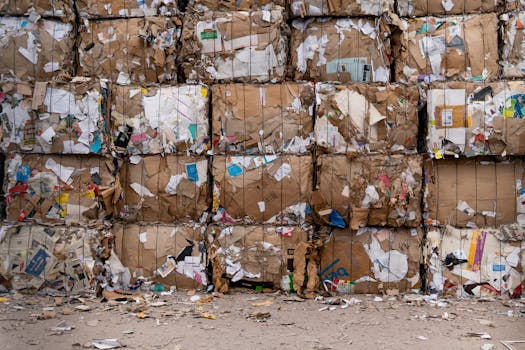
By adopting the 3 R’s, individuals can contribute to larger societal changes, such as reducing landfill waste, conserving energy, and decreasing greenhouse gas emissions. This collective effort can bring about significant positive changes in both local and global ecosystems.

How can you apply the 3 r’s in daily life?
Applying the 3 R’s in daily life starts with small, conscious decisions. Steps to reduce waste in everyday life can include opting for products with minimal packaging, repairing broken items instead of discarding them, and planning meals to avoid food waste.
Reusing household items can be as simple as using glass jars for storage or creating DIY projects from old clothing. These practices not only cut down on waste but also save money and inspire creativity.

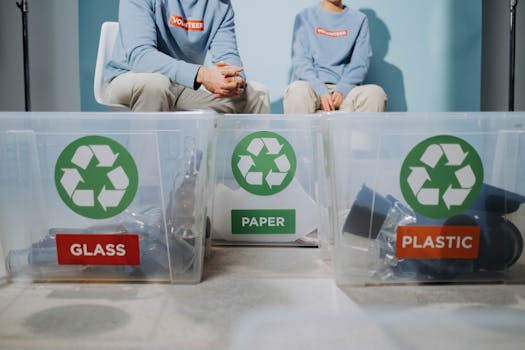
When it comes to recycling, proper sorting of materials ensures that they can be processed efficiently. Local community programs often provide guidelines on how to recycle various materials correctly, maximizing the environmental benefits of this practice.
What are the benefits of reducing waste?
The benefits of reducing waste are multifaceted, with positive impacts on the environment, economy, and personal health. Decreasing the amount of waste we produce conserves natural resources and reduces pollution, leading to cleaner air and water.
Economically, waste reduction can lead to cost savings for both consumers and businesses. By purchasing fewer disposable items and opting for durable goods, households can save money over time, while companies can improve their bottom line through efficient resource use and waste management strategies.
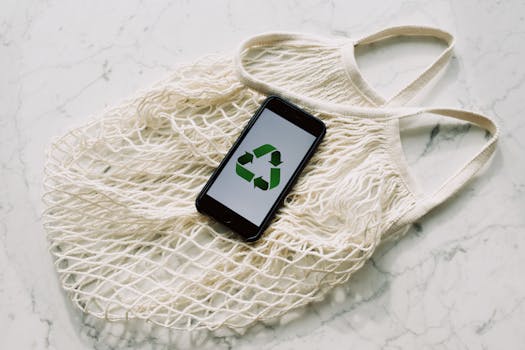
On a personal level, reducing waste aligns with a holistic approach to self-care. It promotes an organized, clutter-free living environment that can enhance mental clarity and reduce stress. The act of making environmentally conscious choices can also bring about a sense of accomplishment and purpose.
Why is reusing important for the environment?
Reusing items plays a critical role in environmental conservation. It extends the lifecycle of products, which in turn reduces the demand for new materials. This can significantly lower the energy consumption and carbon emissions associated with manufacturing.
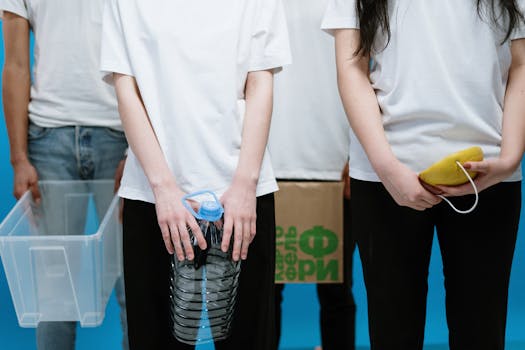
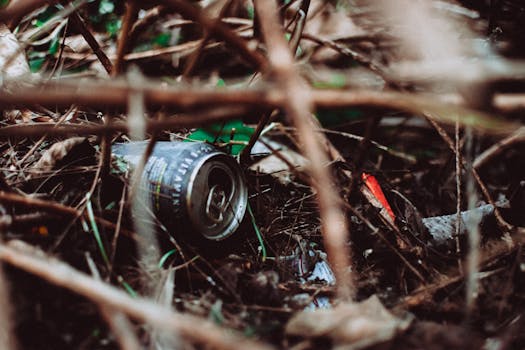
Reusing also helps prevent items from ending up in landfills, where they can take centuries to decompose, releasing harmful chemicals and greenhouse gases in the process. By finding new purposes for old items, we can mitigate these negative environmental impacts.
Moreover, reusing objects fosters a culture of creativity and innovation. It encourages people to think about the potential of objects beyond their initial purpose, leading to unique and sustainable solutions.
How does recycling contribute to sustainability?
Recycling is a key component of sustainability as it enables the reprocessing of materials into new products. This practice conserves raw materials and reduces the need for resource extraction, which often involves environmentally damaging processes.

Furthermore, recycling conserves energy. Producing goods from recycled materials typically requires less energy compared to making products from virgin materials. This energy efficiency translates to lower carbon emissions and a smaller ecological footprint.
By participating in recycling programs, individuals and communities can significantly contribute to the importance of recycling for the environment. It’s an actionable step towards building a more sustainable future for all.
What are some creative ways to reuse items?
- Turning old T-shirts into reusable shopping bags or quilts.
- Repurposing glass jars as vases, lanterns, or organizers.
- Using egg cartons for seed starters or craft projects.
- Upcycling furniture to give it a new life and function.
- Creating artwork or home decor from scrap materials.
These examples showcase the endless possibilities for giving old items a second life. Engaging in such creative ways to reuse can be a rewarding and fun activity, promoting sustainable practices while unleashing your creativity.
How can the 3 r’s improve mental well-being?
Embracing the 3 R’s can have a profound effect on mental well-being. It encourages a shift towards a more deliberate and mindful lifestyle, relieving the psychological burden of clutter and overconsumption.
Practicing the principles of reduce, reuse, and recycle fosters a sense of agency and control over one’s environment. By making intentional choices about consumption and waste, individuals can cultivate a greater sense of purpose and contribute to a cause larger than themselves.

Furthermore, the act of reusing and repurposing objects can be a therapeutic outlet for creativity and self-expression. Such activities can boost mood, reduce anxiety, and even improve cognitive function through problem-solving and innovation.

By weaving the 3 R’s for sustainable living into our daily habits, we not only contribute to the health of the planet but also enhance our own psychological resilience. This holistic approach aligns our actions with our values, creating a balanced and sustainable life.