Inversion termica, a meteorological phenomenon, significantly impacts air quality and environmental health. It occurs when a layer of warmer air traps cooler air near the Earth’s surface, preventing pollutants from dispersing and causing various health and environmental issues.
Table of Contents
What is inversion termica?
Inversion termica, or thermal inversion, happens when the typical temperature gradient of the atmosphere is inverted. Under normal conditions, the air near the ground is warmer than the air above it. However, during an inversion, this situation is reversed, leading to potential problems with air quality and weather patterns.
This phenomenon is particularly common in urban areas and during the winter months when longer nights allow the ground to cool rapidly. The absence of sunlight means that the ground and the air above it can cool quickly, setting the stage for an inversion to occur.
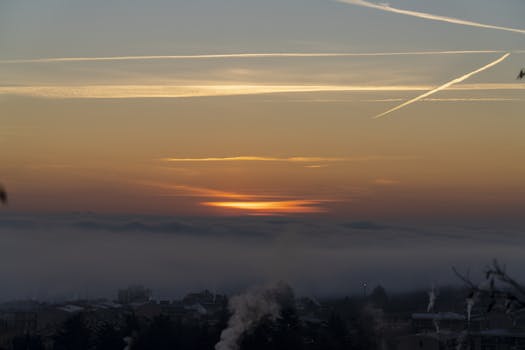
Understanding thermal inversion is crucial for urban planning and public health, as it has direct implications on the environment and the air we breathe.
Causes of inversion termica
The primary cause of inversion termica is the cooling of the Earth’s surface. Clear skies and calm winds often contribute to this cooling effect, as they allow heat to escape into space without the insulating effect of clouds or the mixing effect of wind. Topography can also play a role; valleys are particularly prone to inversions as cool air settles in these lower areas.
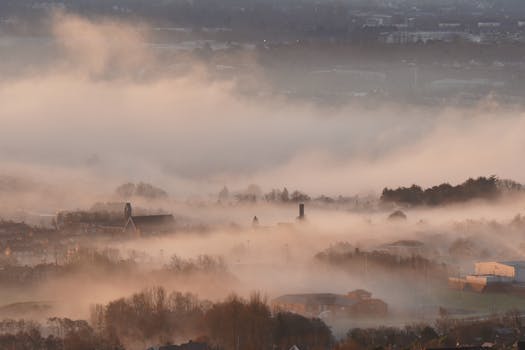
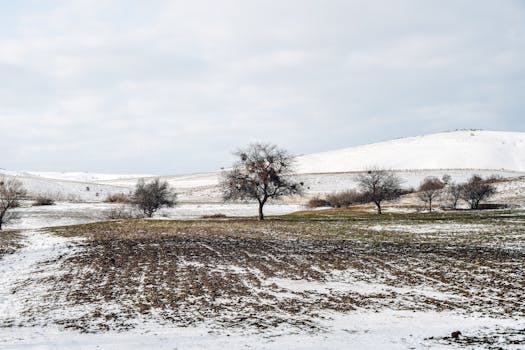
Another contributing factor is the presence of snow, which reflects sunlight and enhances the cooling of air close to the ground. High-pressure weather systems can also lead to inversions, as they cause air from above to subside and compress, increasing its temperature, and creating a cap that traps cooler air beneath.
Atmospheric stability and high-pressure conditions are conducive to the formation of inversions, which can last from a few hours to several days, depending on weather patterns and geographical conditions.
How does inversion termica affect air quality?
When thermal inversion occurs, the trapped layer of cold air holds pollutants such as PM2.5, PM10, and ozone close to the ground. These pollutants, which typically would disperse into the upper atmosphere, accumulate and can lead to smog and haze, resulting in poor air quality. Cities like Bogotá and Mexico City often witness this, especially in valleys where the terrain naturally traps air.
Air quality deterioration is a serious concern during inversion termica because it poses health risks, particularly to those with respiratory conditions. Children, the elderly, and individuals with asthma or heart disease are most vulnerable to the effects of polluted air.
With pollutants concentrated in the lower atmosphere, the risk of adverse health effects increases. This is why understanding thermal inversion and air quality is essential for managing health risks in affected areas.
What are the different types of inversion termica?
There are several types of thermal inversions, each with unique characteristics and impacts on the environment. The most common include ground inversions, which occur close to the surface, and subsidence inversions, which are caused by high-pressure systems forcing warm air downward.
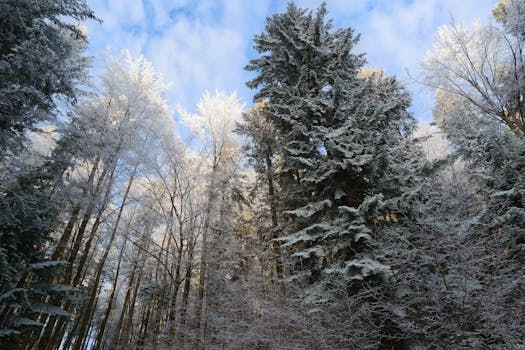
Ground inversions typically happen during the night or early morning when the ground cools rapidly. Subsidence inversions, on the other hand, can persist for longer periods and cover more extensive areas, as they are part of larger weather systems.
Another type is the frontal inversion, which occurs when a warm air mass slides over a cooler air mass, often ahead of an advancing warm front. Each type has different implications for weather patterns and air quality.
How long does inversion termica last?
The duration of an inversion termica can vary from a few hours to several days, depending on the underlying causes and prevailing meteorological conditions. Factors such as cloud cover, wind, and the arrival of weather fronts can disrupt and end an inversion.
During the colder months, inversions are more likely to last longer due to the reduced hours of sunlight and lower sun angles. These conditions don’t allow the ground to warm up sufficiently, thus maintaining the inversion.
In urban settings, the heat from buildings and vehicles can sometimes counteract the cooling of the surface, leading to shorter-lived inversions. However, in areas with consistent high-pressure systems, inversions can persist, causing extended periods of poor air quality.
What to do during inversion termica?
During periods of inversion termica, staying informed and taking proactive measures can help mitigate the impact on health. It’s advisable to monitor air quality indexes and heed health advisories, especially for those in high-risk groups.
- Limit outdoor activities during times of high pollution.
- Use public transportation to reduce emissions.
- Follow local regulations regarding wood-burning and industrial emissions.
- Consider air purifiers to improve indoor air quality.
- Support and advocate for policies that reduce overall emissions.
By understanding the phenomenon and taking appropriate actions, communities can help protect themselves from the adverse effects of poor air quality during inversions.
Related questions about thermal inversion
What is thermal inversion?
Thermal inversion, also known as inversion termica, is a reversal of the normal temperature distribution in the atmosphere, where a layer of warm air lies over a layer of cooler air at the ground level, trapping pollutants and affecting climate patterns. It disrupts the typical upward flow of air, leading to potential environmental and health concerns.
This phenomenon is critical to understanding localized weather conditions and the dispersion of pollutants in the atmosphere, impacting both urban and rural areas.
How can you tell if a thermal inversion is occurring?
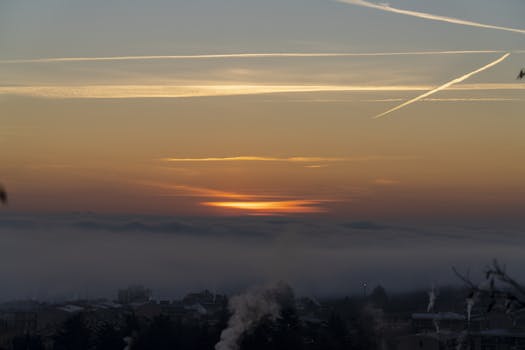
Indicators of a thermal inversion include a noticeable layer of smog or haze, particularly in valley regions or urban centers. A sudden drop in air quality, as reported by local weather stations, can also signal an inversion. Additionally, an unusual lack of wind or a significant temperature difference between ground level and higher altitudes are tell-tale signs.
Weather forecasts and environmental monitoring agencies often provide information on current atmospheric conditions, including the presence of thermal inversions.
What does thermal inversion mean?
The term “thermal inversion” refers to a situation where the temperature increases with altitude, contrary to the usual decrease with height in the troposphere. This inversion of the temperature gradient can lead to a variety of environmental issues, most notably the trapping of pollutants near the ground surface.
The meaning of thermal inversion extends to its effects on weather patterns, air quality, and its role in phenomena such as freezing rain and the formation of fog.
How long does thermal inversion last?
The duration of a thermal inversion can vary greatly. Some may last only a few hours, especially those that form overnight and dissipate with the morning sun. Others, particularly subsidence inversions associated with high-pressure systems, can persist for several days or even weeks.
The longevity of an inversion is influenced by geographical features, weather patterns, and human activities, making it essential for residents in prone areas to stay informed and prepared.