Tropical forests, often referred to as “bosque tropical,” are some of the most vital and vibrant ecosystems on our planet. These lush landscapes are teeming with life and play an indispensable role in Earth’s ecological balance. As we delve into the world of tropical forests, we uncover their vast biodiversity, the crucial importance of their conservation, and the multiple threats they face due to human activities.
Table of Contents
- What is a bosque tropical?
- What are the types of tropical forests?
- How does the climate affect the bosque tropical?
- What flora and fauna can be found in tropical forests?
- What are the threats facing tropical forests?
- Why is conservation important for bosque tropical?
- Related questions about the tropical forest
What is a bosque tropical?
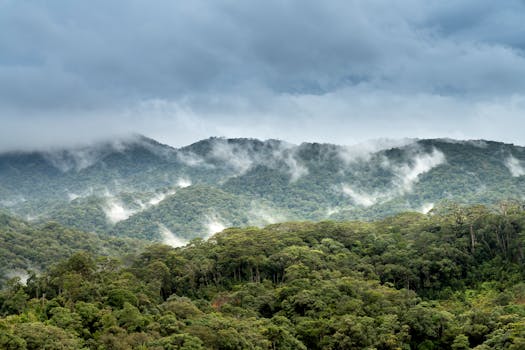
The term bosque tropical is synonymous with tropical forests, which are found in equatorial regions around the world. These forests are characterized by high levels of rainfall, warm temperatures throughout the year, and an unparalleled diversity of life forms. Not only are they home to countless species of plants and animals, but they also provide essential ecological services such as carbon sequestration and oxygen production.
Beyond their ecological benefits, tropical forests also hold cultural and economic significance for indigenous communities and the global population alike. They serve as a natural reservoir of genetic diversity, which is crucial for food security, medicine, and adaptation to changing environmental conditions.
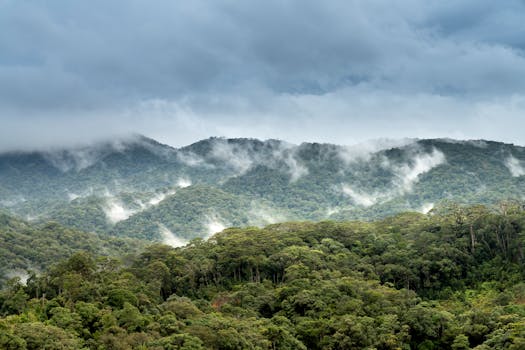
Tropical forests can be broadly categorized into several types, each with unique features and species adapted to specific conditions. Understanding these types is key to grasping the complexity of tropical ecosystems.
What are the types of tropical forests?
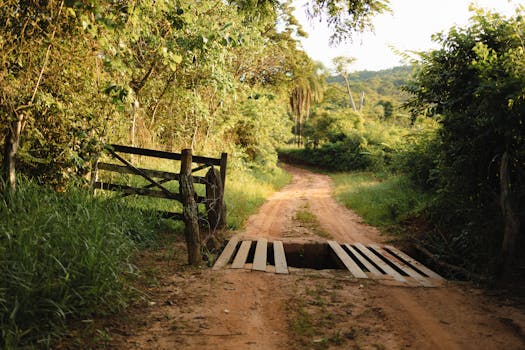
Tropical forests are generally divided into three main categories: humid, dry, and monsoonal. Humid tropical forests, often known as rainforests, receive abundant rainfall year-round. In contrast, dry tropical forests experience seasonal variations in rainfall, leading to distinct wet and dry seasons. Monsoonal forests, found in regions with monsoon climates, are subjected to extreme seasonal rainfall patterns.
Biodiversity in tropical forests varies with each type, as different species have adapted to the unique environmental conditions. For instance, the dense canopy in humid forests fosters a wide variety of epiphytes and climbing plants, while dry forests are home to many drought-resistant species.
How does the climate affect the bosque tropical?
Climate plays a pivotal role in shaping the structure and function of tropical forests. The consistent warmth and moisture create an environment where life thrives year-round. However, changes in climate, particularly global warming and shifts in precipitation patterns, pose significant threats to these sensitive ecosystems.
As the climate changes, the delicate ecological balance of tropical forests may be disrupted, potentially leading to shifts in species distributions, alterations in forest structure, and changes in carbon sequestration capabilities. Such impacts not only affect the health of the forest but also the global climate system.
What flora and fauna can be found in tropical forests?
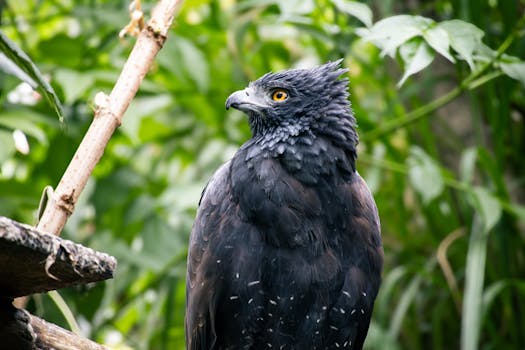
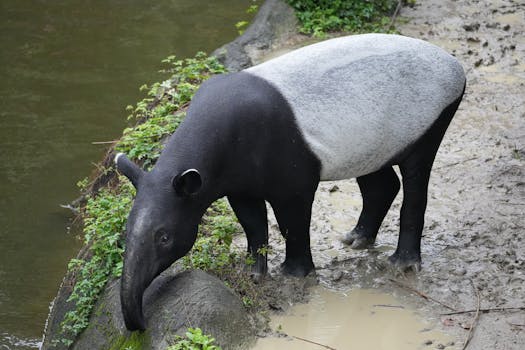
The flora and fauna of tropical forests represent some of the most diverse communities on Earth. With towering trees, vibrant flowers, and a myriad of animal species, these forests are a veritable treasure trove of biological diversity. Iconic animals like monkeys, toucans, and jaguars call these forests home, each playing a crucial role in their respective ecosystems.
- Flora includes massive trees, diverse understory plants, and a range of epiphytes and lianas.
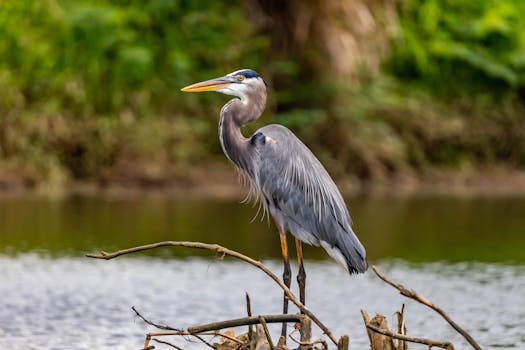
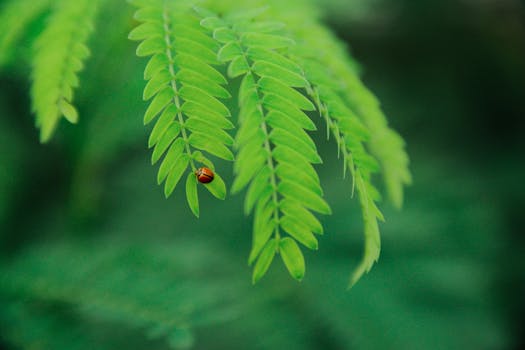
- Fauna encompasses a variety of mammals, birds, reptiles, amphibians, and insects, each uniquely adapted to life in the forest.
- Biological interactions, such as pollination and seed dispersal, are vital for maintaining forest resilience and regeneration.
What are the threats facing tropical forests?
Despite their importance, tropical forests face numerous threats primarily stemming from human activities. Deforestation, often driven by logging, agriculture, and urban expansion, leads to habitat loss and fragmentation. This not only reduces biodiversity but also affects ecological processes such as carbon storage and water cycle regulation.
Other threats include climate change, invasive species, and overexploitation of forest resources. The cumulative effect of these pressures challenges the very survival of tropical forests and necessitates immediate and effective conservation measures.
Why is conservation important for bosque tropical?
Conservation of tropical forests is crucial for preserving biodiversity, ensuring ecological stability, and sustaining human livelihoods. Protected areas, sustainable management practices, and community-based conservation efforts are all important strategies in the fight to safeguard these precious ecosystems.
Conservation also plays a role in mitigating climate change by maintaining the forests’ role in carbon sequestration. Additionally, preserving tropical forests contributes to maintaining the ecological significance of tropical forests, which benefits everyone, from local communities to the global population.
Related questions about the tropical forest
What is the largest forest in the world?
The title of the largest forest in the world goes to the Amazon rainforest, spreading across several countries in South America. This vast expanse of greenery is renowned for its immense size and biodiversity, playing a crucial role in the global climate and ecological balance.
As a critical part of the Earth’s natural heritage, the Amazon rainforest, along with other large tropical forests, is a focus of international conservation efforts. Its preservation is essential for the health of the planet and the diversity of life it supports.
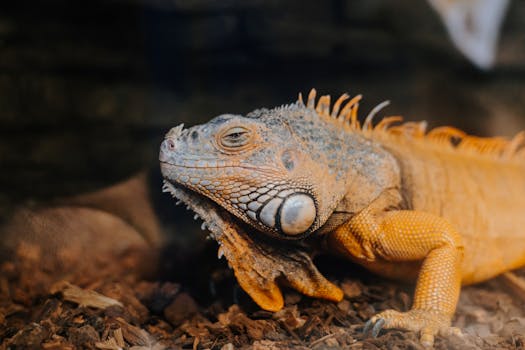
What defines a tropical forest?
A tropical forest is defined by its location in the equatorial region, warm climate, high levels of rainfall, and rich biodiversity. These forests are characterized by a complex structure with multiple layers of vegetation, from the forest floor to the emergent layer above the canopy.
Crucial ecological processes, including nutrient cycling and photosynthesis, occur within these environments, making tropical forests integral to Earth’s ecosystem services.
What are the two types of tropical forests?
The two primary types of tropical forests are rainforests and dry forests. Tropical rainforests receive abundant rainfall throughout the year, while dry tropical forests have a marked dry season, which influences the types of plants and animals that can thrive in these environments.
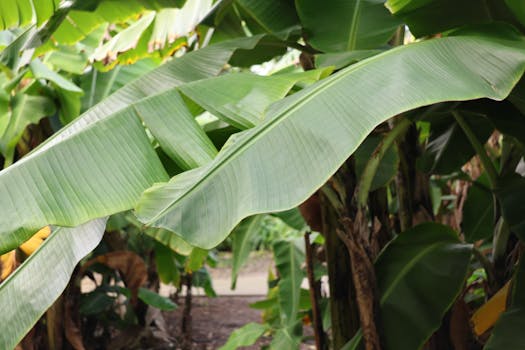
Each forest type supports distinct ecological communities, with rainforests generally hosting higher levels of biodiversity due to constant moisture availability.
What’s the difference between a forest and woods?
The difference between a forest and woods lies primarily in scale and density. A forest is typically larger and denser than woods, with a more diverse and complex structure. Woods are often smaller with fewer layers of vegetation and may be part of a larger forest ecosystem.

Despite these differences, both forests and woods play important roles in supporting biodiversity and providing ecological services.
Tropical forests represent a priceless gift of nature, essential for the survival of countless species and for the health of our planet. Their conservation is a shared responsibility, one that requires global collaboration and dedication. By understanding and protecting these remarkable ecosystems, we not only preserve the wonders of nature but also ensure a sustainable future for generations to come.