
Algae are more than just the green scum we see on ponds; they’re an incredibly diverse and essential part of our planet’s ecosystems. Existing in a multitude of forms, algae range from the microscopic to the massive, playing pivotal roles in our environment.
Understanding the types of algae and their classifications is crucial for appreciating their ecological importance and potential applications. Let’s delve into the world of algae and uncover the various aspects that make these organisms so fascinating.

Table of Contents
- What are algae and how are they classified?
- What are the different types of algae?
- How do algae benefit the environment?
- What are the characteristics of edible algae?
- What are the common uses of marine algae?
- How are algae classified into microalgae and macroalgae?
- What are the effects of harmful algal blooms?
- How do algae contribute to sustainable agriculture?
- Related questions about the diversity and utility of algae
What are algae and how are they classified?
Algae are photosynthetic organisms found mostly in aquatic environments. Unlike plants, they lack true stems, roots, or leaves. Algae can be classified based on their size as either microalgae, which are microscopic, or macroalgae, visible to the naked eye. Additionally, macroalgae are categorized by color: green, brown, and red algae, each with distinctive features and roles in the ecosystem.
While green algae are commonly found in freshwater habitats, red and brown algae mainly dwell in marine environments. These classifications are not just for academic interest; they reflect differences in pigmentation, cell structure, and reproductive methods.
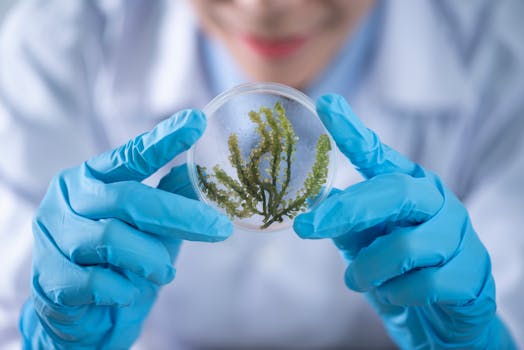
Within the vast diversity of algae, some species have adapted to live on surfaces such as rocks or even trees, showcasing their adaptability and resilience in various conditions.
What are the different types of algae?
Delving into the different varieties of algae, we find a fascinating array of species. The three primary categories of macroalgae – green, brown, and red – encompass a multitude of species. For example, the green algae group includes species like sea lettuce (Ulva), while brown algae cover the large kelps that form underwater forests. Red algae are known for their vibrant colors and importance in reef-building processes.
Microalgae, although not always visible to the eye, are incredibly important. Phytoplankton, a type of microalgae, serves as a foundational food source in marine ecosystems and plays a critical role in global oxygen production.

Together, these diverse groups not only sustain aquatic life but also offer potential benefits to humans, ranging from nutritional supplements to biofuels.
How do algae benefit the environment?
Algae are powerhouse producers in aquatic ecosystems, responsible for a significant portion of the world’s photosynthesis. They form the base of the food web, supplying energy to a wide array of marine species.

Furthermore, algae play a key role in nutrient cycling, absorbing carbon dioxide and releasing oxygen, making them vital in combating climate change. Their ability to grow in diverse environments also means they can stabilize sediment and prevent erosion, contributing to the resilience of marine habitats.
Algal diversity is not only crucial for maintaining marine biodiversity but also for ensuring the health of our planet as a whole.
What are the characteristics of edible algae?
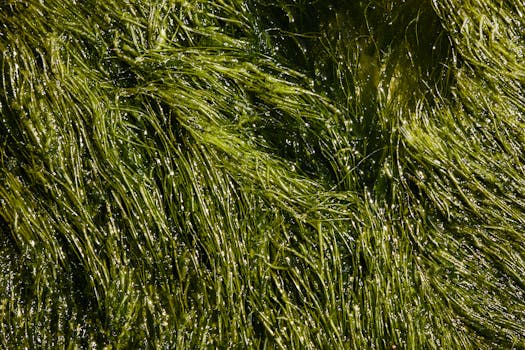
Edible algae, commonly known as seaweeds, are valued for their nutritional benefits. Rich in vitamins, minerals, and fiber, they are considered superfoods in many cultures. For instance, Nori, the red algae used in sushi, and Spirulina, a type of blue-green microalgae, are popular for their high protein content and health-promoting properties.

These algae also contain unique compounds like antioxidants and omega-3 fatty acids, which can support cardiovascular health and provide anti-inflammatory benefits.
The ease with which some edible algae can be cultivated also makes them a sustainable food source, capable of being grown in controlled environments with minimal impact on wild populations.
What are the common uses of marine algae?
Marine algae have a multitude of applications beyond nutrition. In the cosmetics industry, algae extracts are used for their moisturizing and anti-aging properties. In agriculture, seaweeds act as biostimulants, enhancing plant growth and resilience to stress.
Marine algae are also explored for their potential in biofuel production, offering a renewable energy source that could help reduce our dependence on fossil fuels. Moreover, algae’s ability to absorb heavy metals makes them useful in environmental remediation projects, where they help purify water bodies contaminated with industrial waste.
With advances in biotechnology, the uses of algae in agriculture and other industries are bound to expand, showcasing their versatility and importance for sustainable development.

How are algae classified into microalgae and macroalgae?
When classifying algae into microalgae and macroalgae, size is the primary factor. Microalgae, such as diatoms and dinoflagellates, are microscopic and often found as part of phytoplankton. They are single-celled or exist in small colonies and are frequently used in scientific research due to their rapid growth rates and diverse metabolic capabilities.
Macroalgae, in contrast, are larger and more complex. They are often referred to as seaweeds and can be found in various forms, from simple filaments to large, leaf-like structures. Their size and complexity allow them to create habitats for other marine organisms, contributing to the structural complexity of ecosystems.

Understanding the differences between these two groups is essential for their application in industries and environmental management.
What are the effects of harmful algal blooms?
Not all algal growth is beneficial; harmful algal blooms (HABs) can have devastating effects on aquatic ecosystems. These blooms occur when certain types of algae, often microalgae, grow excessively and produce toxins that can harm fish, shellfish, mammals, birds, and even humans.
HABs can lead to the depletion of oxygen in the water, causing massive die-offs of marine life. They can also contaminate seafood with toxins, posing serious health risks to consumers.
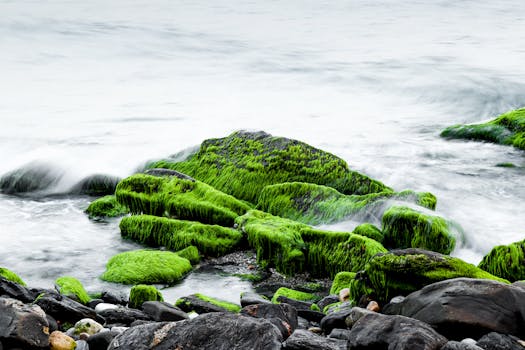
Addressing HABs requires monitoring and management strategies to minimize their occurrence and mitigate their impact, ensuring the safety and health of affected ecosystems.
How do algae contribute to sustainable agriculture?
Algae’s role in sustainable agriculture is increasingly recognized. As natural fertilizers, they can enrich the soil with nutrients and improve the overall health of crops. Some algae species also have properties that can naturally protect plants against pests and diseases, reducing the need for chemical pesticides.

The use of algae in agriculture isn’t limited to cultivation; they can also be a sustainable feed alternative in aquaculture, providing essential nutrients for farmed fish and shellfish. Algae-based feeds can decrease dependence on wild-caught fish for feed, contributing to the conservation of marine resources.
With the agricultural sector seeking more eco-friendly practices, algae stand out as a promising tool for enhancing productivity while minimizing environmental impact.
Related questions about the diversity and utility of algae
How many types of algae are there and what are they?
Estimates suggest that there are over 30,000 species of algae, exhibiting incredible diversity. These range from the unicellular microalgae like Chlorella to the large seaweeds such as giant kelp. Each species plays a unique role in its environment, affecting everything from nutrient cycles to habitat structure.

The main types include green, brown, and red algae, as well as various microalgae species that form the base of marine food webs. This vast array ensures algae’s continued ecological significance and potential for human use.
What are 10 names of algae?
Here are ten notable algae species, representing a cross-section of the diversity found within this group:

- Spirulina (Arthrospira)
- Nori (Porphyra)
- Kelp (Laminaria)
- Diatoms (Bacillariophyta)
- Dulse (Palmaria palmata)
- Sea lettuce (Ulva)
- Fucus
- Chlorella
- Euglena
- Irish moss (Chondrus crispus)
What types of algae can be eaten?
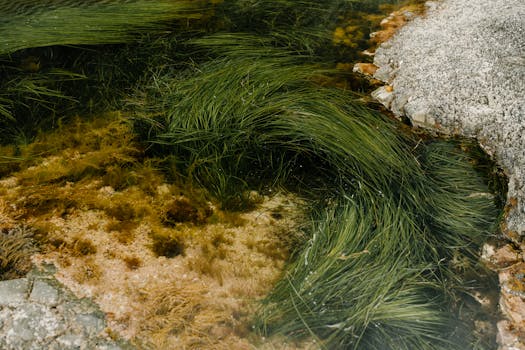
Several types of algae are edible and highly nutritious. Commonly consumed varieties include the aforementioned Nori, used in Japanese cuisine, and Spirulina, often added to health supplements and smoothies. Other edible species include Kombu, Wakame, and Sea Grape (Caulerpa lentillifera).
These algae are not only flavorful but also provide a range of health benefits, such as improving digestion and boosting immune function.
What is the best algae to consume?
The “best” algae to consume can vary depending on individual dietary needs and taste preferences. Spirulina is often touted for its high protein content and comprehensive nutrient profile, making it an excellent choice for those looking to supplement their diet.
For those interested in culinary uses, Nori is incredibly versatile and can be added to various dishes for a boost in flavor and nutrition. Ultimately, the best algae for consumption is one that fits your nutritional requirements and palate.

Algae are a vital component of our planet’s ecosystems, providing oxygen, food, and habitat for countless species. They also offer sustainable solutions across industries, from nutrition to environmental management. As we continue to explore and understand the vast world of algae, their potential for positive impact grows, emphasizing the importance of protecting these incredible organisms for future generations.