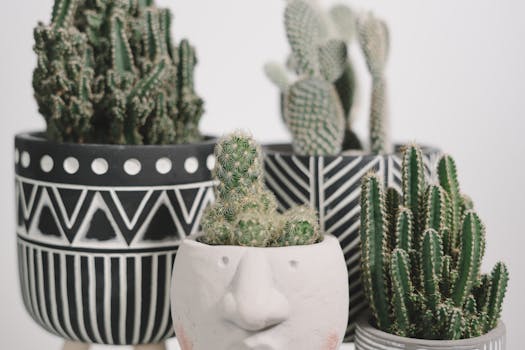
Cacti are some of the most unique and interesting plants in the botanical world. Known for their distinctive shapes, sizes, and ability to thrive in harsh environments, cacti have become beloved by gardeners and houseplant enthusiasts alike. With their low-maintenance needs and striking appearance, they can add a touch of the exotic to any space.
Table of Contents
- Types of cacti: What are the different varieties?
- How to care for your cacti at home?
- What are the characteristics of spineless cacti?
- Which cacti are best for indoor spaces?
- Exploring the unique features of lithops and other cacti
- What are the best practices for cactus transplantation?
- Common questions about cacti and their care
- Frequently asked questions about cactus varieties and their significance
Types of cacti: What are the different varieties?
The world of cacti is vast and varied, with over 2,000 species that showcase an array of forms and adaptations. Among these, some popular types include the towering Saguaro, the prickly Opuntia (also known as the prickly pear), and the enchanting San Pedro cactus. Each category has species that are particularly well-suited for certain environments or purposes, such as indoor decoration or outdoor landscaping.
Let’s delve into the unique features of popular cactus species like the Lithops, also known as living stones, which mimic the appearance of pebbles to blend into their surroundings. These fascinating plants are not only a treat to the eye but also an interesting topic of conversation for visitors to your home.
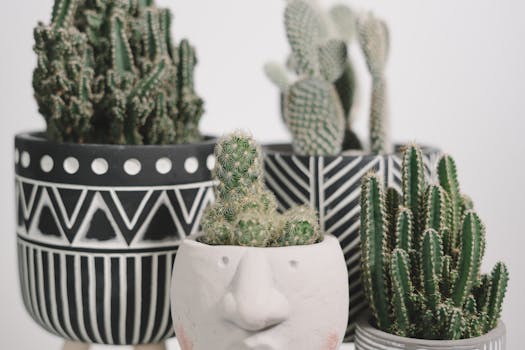
Another interesting category is the spineless cacti. Varieties such as the Euphorbia lactea provide a unique aesthetic with their smooth surfaces, making them a popular choice for homes and offices. These cacti can bring a modern touch to any room without the worry of prickly spines.
How to care for your cacti at home?
Caring for indoor cacti varieties requires an understanding of their native arid environments. Ensure they receive plenty of sunlight, minimal water, and have well-draining soil. While they are drought-tolerant, it’s crucial to establish a consistent watering schedule that mimics natural rainfall patterns followed by dry periods.

Maintaining the right temperature is also vital for indoor cactus health, as most species prefer warm conditions. During the winter months, it’s important to reduce watering significantly to prevent root rot and simulate their natural dormant period.
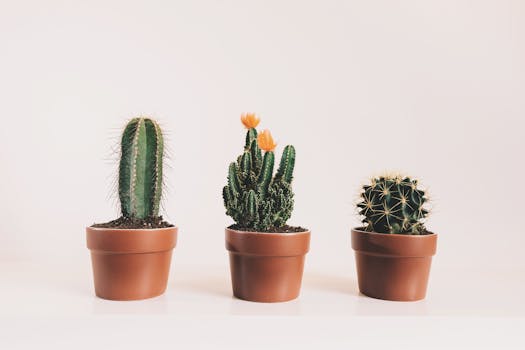
Repotting is another aspect of cactus care that should be done with care. Cacti typically need to be repotted every two to three years to provide fresh soil and accommodate their growth. When transplanting, handle your cacti carefully and use specific soil mixes designed for succulents and cacti to ensure the best results.
What are the characteristics of spineless cacti?
Spineless cacti have become increasingly popular for their smooth, touchable surfaces. These cacti have evolved to store water efficiently without the need for protective spines. They offer a unique aesthetic and are especially suitable for households with children or pets.

Despite lacking spines, these cacti still exhibit other classic features, such as thick flesh and a slow growth rate. They can be an excellent focal point in a room or a complementary plant in a larger arrangement.
Examples of spineless cacti include varieties like the “Bishop’s Cap” and certain types of “Prickly Pear” that have either no spines or very short, harmless ones. These varieties can still produce stunning flowers and require similar care to their spiny cousins.
Which cacti are best for indoor spaces?
- Christmas Cactus (Schlumbergera) – Known for its vibrant flowers that bloom in the winter.
- Star Cactus (Astrophytum) – Its star-shaped body and minimal spines make it perfect for tabletops.
- Bunny Ear Cactus (Opuntia microdasys) – A spineless variety with a playful shape.
- Barrel Cactus – A round, sturdy plant that requires minimal care.
- Zebra Cactus (Haworthia) – Striped leaves that add visual interest without taking up too much space.
Exploring the unique features of lithops and other cacti
Lithops, part of a group known as “Mimicry Plants,” are truly a marvel of nature. These small, stone-like succulents native to southern Africa have evolved to blend into their gravelly surroundings to avoid being eaten by thirsty animals. They are perfect for cultivating in small containers, making them a fantastic choice for those with limited space.
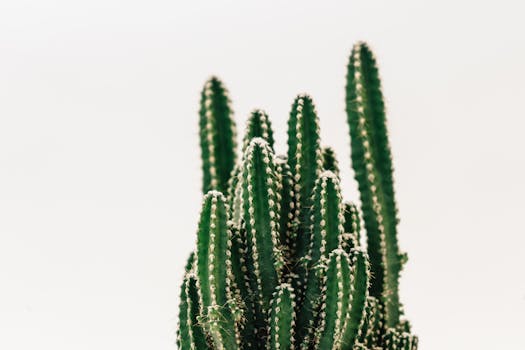
Other cacti with unique features include the Peruvian Apple Cactus, which produces edible fruit, and the Golden Barrel Cactus, known for its spherical shape and ribbed surface. These cacti not only serve as striking decor elements but also as conversation starters.
When selecting cacti for their unique features, consider their mature size and growth habits. Some cacti can grow quite large and may be better suited for outdoor environments, while others maintain a compact size ideal for indoor settings.
What are the best practices for cactus transplantation?
Transplanting a cactus can seem daunting, but with the right approach, it can be done successfully. The best time to transplant is during the warmer months when the cacti are in their active growing phase. Always use gloves or folded newspapers to handle spiny varieties to avoid injury.
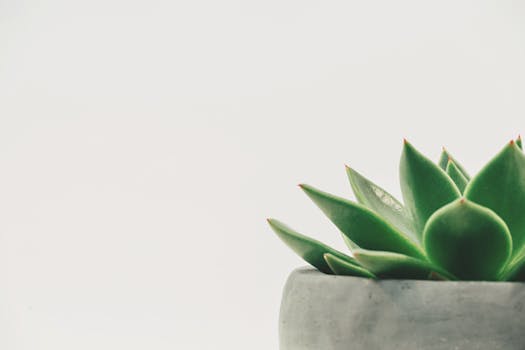
The new pot should be slightly larger than the current one and must have drainage holes. Cactus transplantation tips include using a fresh, special cacti potting mix to provide the necessary drainage and nutrients.
After transplanting, avoid watering the cactus immediately to allow any roots that may have been damaged to heal. Resume watering after about a week, and place the cactus back in a bright spot to encourage recovery and growth.

Common questions about cacti and their care
Cacti enthusiasts often have questions regarding the care and types of cacti they can grow. Common inquiries revolve around watering frequency, suitable potting mixes, and how to encourage blooming in flowering cacti. It’s essential to research the specific needs of your cacti species, as some may have special requirements.
Another frequent question is about propagating cacti, which can be done through cuttings or seeds. Propagation can be a rewarding experience, allowing you to expand your collection and share plants with friends and fellow gardeners.
For those concerned about pests and diseases, it’s important to monitor your cacti for signs of stress and treat any issues promptly with appropriate horticultural practices or products.
Frequently asked questions about cactus varieties and their significance
How many types of cacti are there and what are they?
There are over 2,000 known species of cacti, each with its own unique characteristics and adaptations. These range from the diminutive Lithops to the majestic Saguaro, and include both spiny and spineless varieties suited for different environments and preferences.
Cacti classifications span from those favoring desert climates to those thriving in tropical conditions. Their diverse forms include columnar, globular, and creeping species, each providing a unique aesthetic to the environment in which they reside.

What are some types of indoor cacti?
When it comes to cacti that thrive indoors, a few come to mind. The Christmas cactus, with its cascading branches and holiday blooms, is a favorite. The Golden Barrel and Pincushion cacti are known for their compact size and ease of care, making them ideal for indoor cultivation.
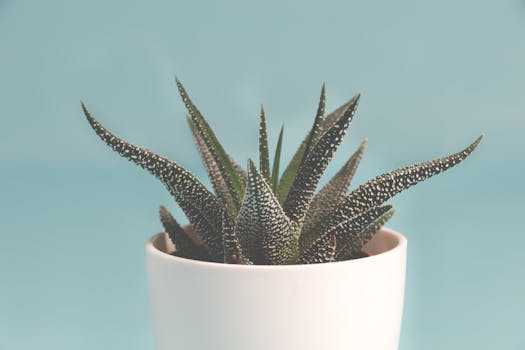
Indoor cacti care involves providing bright indirect light, infrequent watering, and avoiding cold drafts. These simple measures ensure that your indoor cacti remain healthy and vibrant throughout the year.
What does having cactus plants signify?
Owning cactus plants can signify a love for unique natural beauty and an appreciation for resilience and adaptability. These hardy plants are often associated with persistence and endurance, reflecting the character of their owners who tend to value low-maintenance and long-lasting greenery in their living spaces.

In various cultures, cacti symbolize warmth, protection, and motherly love due to their nurturing ability to retain water and sustain life in harsh conditions. Having cactus plants in your home can bring a sense of calm and strength, while also purifying the air and adding aesthetic value.
What is the plant that looks like a cactus?
Plants that closely resemble cacti but are not true cacti include Euphorbias, which often have a similar appearance with thick, fleshy stems and sometimes spines. The Mother-in-law’s Cushion (Euphorbia echinus) is a perfect example of this, often mistaken for a cactus due to its ribbed body and spiny exterior.
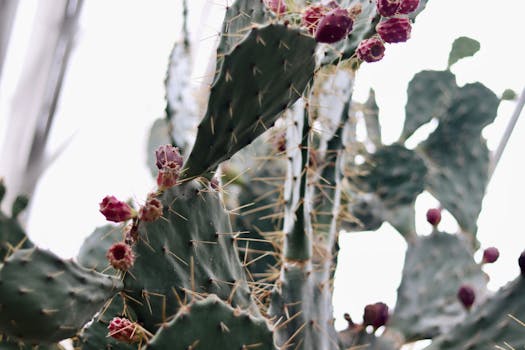
It’s important to differentiate these look-alikes from true cacti, as their care requirements can vary. Euphorbias, for instance, often contain a milky sap that can be irritating to the skin, whereas cacti do not.