Cells are the building blocks of life, essential components that make up every organism on Earth, from the tiniest bacteria to the most complex human beings. Understanding cell types is a key aspect of biology and medicine, providing insight into how living things function, grow, and evolve.
This article delves into the types of cells, their structures, functions, and the integral role they play in sustaining life. Whether you’re a student, educator, or just curious about cellular biology, this comprehensive guide will illuminate the fascinating world of cells.

Table of Contents
What are cells?
Cells are the smallest units of life, responsible for all biological activities. They form the structure of all living organisms and carry out vital processes such as metabolism, energy conversion, and reproduction. Every cell is an organized structure, bound by a membrane and containing genetic material.
The diversity among cells allows for the specialization necessary for different life forms and functions. From single-celled organisms to multicellular beings, cells adapt to suit a variety of roles within an organism. As the foundation of life, cells are a central subject in the field of biology.
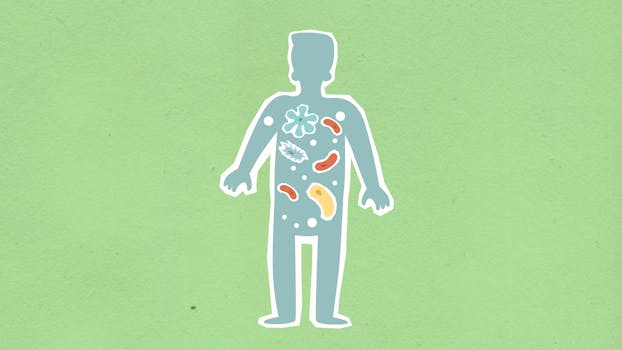
Cells are categorized into two primary types: prokaryotic and eukaryotic. Prokaryotic cells are ancient and simpler in structure, while eukaryotic cells boast more complexity, including a defined nucleus and organelles. This distinction is fundamental to understanding cellular biology.
Types of cells in the human body
The human body is a marvel of biological engineering, composed of trillions of cells that vary in form and function. There are over 200 different types of cells that contribute to the body’s complexity, including muscle cells, nerve cells, and blood cells.
Each cell type has a specialized role, such as transmitting information, fighting infections, or providing structure. Despite their diversity, all human cells share common features like a cell membrane, cytoplasm, and genetic material.

To ensure optimal functioning of the body, cells constantly interact with one another, adapting to their environments and responding to signals, a process that underscores the importance of cellular diversity.
Classification of eukaryotic and prokaryotic cells
The classification of cells into eukaryotic and prokaryotic is a cornerstone of cell biology. Prokaryotic cells, such as bacteria, are characterized by their simplicity, lacking a true nucleus and membrane-bound organelles. They possess a single, circular chromosome and are often much smaller than eukaryotic cells.

In contrast, eukaryotic cells are found in plants, animals, and fungi. They contain a nucleus that houses their genetic material and are equipped with an array of organelles, each with a unique function. The presence of mitochondria for energy production and the endoplasmic reticulum for protein synthesis are notable examples of eukaryotic cell complexity.
This division between prokaryotic and eukaryotic cells is not just structural but also has implications for understanding evolutionary processes and the origins of life on our planet.
Main roles of cells
Cells perform a myriad of functions necessary for life. They synthesize proteins, which are vital for building and repairing tissues, catalyzing metabolic reactions, and regulating bodily functions. Cells are also responsible for energy production, converting nutrients into usable forms through processes like cellular respiration.
Another critical role of cells is reproduction. Cellular division, through mechanisms like mitosis and meiosis, allows for growth and the continuation of species. Cells also play a part in homeostasis, maintaining a stable internal environment despite external changes.
Inter-cellular communication is an essential function as well, with cells sending and receiving signals to coordinate actions, respond to threats, and maintain overall organism health.
Essential components of a cell
Cells comprise various parts, each integral to the cell’s functionality. The cell membrane, a phospholipid bilayer, acts as a protective barrier and gateway for substances entering and exiting the cell. Within the membrane lies the cytoplasm, a gel-like substance containing organelles.
The nucleus, present in eukaryotic cells, is the control center, housing DNA and coordinating activities such as growth and reproduction. Organelles like the mitochondria and ribosomes are also essential for energy production and protein synthesis, respectively.
Lysosomes and peroxisomes handle waste disposal and neutralize toxins, while the endoplasmic reticulum and Golgi apparatus are involved in protein and lipid processing and transport.
Characteristics and differences between cell types
Though all cells share certain traits, the differences between them are what allow for the incredible diversity of life. Prokaryotic cells are distinguished by their lack of a nucleus and simple structure, making them adept at surviving in a variety of environments.
Eukaryotic cells, on the other hand, boast a more intricate organization. This complexity allows for specialized functions within multicellular organisms, such as humans. Features like the cytoskeleton provide structural support and enable cell movement, while specialized junctions facilitate communication between cells.
Understanding these characteristics and differences is fundamental to the study of biology, medicine, and biotechnology, as it shapes how we approach the treatment of diseases, the development of new technologies, and the comprehension of life itself.
Related questions about the types and complexities of cells
What are the types of cells?
Cells are primarily categorized as either prokaryotic or eukaryotic. Prokaryotic cells, which include bacteria and archaea, are more primitive and lack a nucleus. Eukaryotic cells have a nucleus and more complex organelles, and they make up all plant, animal, and fungal life.
Within the eukaryotic group, cells can be further classified based on their functions, such as muscle cells for movement, nerve cells for signal transmission, and epithelial cells for protection.
How many types of cells exist?
The exact number of cell types is difficult to pinpoint, as it depends on the criteria used for classification. In the human body alone, there are over 200 distinct cell types, each specialized for its role within the body. When considering all life forms, the number of cell types is vast and continually expanding as research progresses.
Researchers continue to discover new cell types and subtypes, particularly with advancements in microscopy and molecular biology techniques, further adding to our understanding of cellular diversity.
How are eukaryotic and prokaryotic cells classified?
Classification of eukaryotic and prokaryotic cells is based on their structural features and genetic material organization. Prokaryotic cells lack a membrane-bound nucleus and organelles, whereas eukaryotic cells possess a defined nucleus, multiple chromosomes, and various organelles.
These differences are not merely physical but reflect distinct evolutionary paths. Eukaryotic cells likely arose from symbiotic relationships between ancestral prokaryotic cells, leading to the complex cells we see today.
What are the four cellular theories?
The cell theory, foundational to biology, comprises four main tenets:
- All living organisms are composed of one or more cells.
- The cell is the basic unit of life.
- All cells arise from pre-existing cells.
- Cells carry genetic material passed to daughter cells during cellular division.
These principles guide scientific understanding of cellular biology, emphasizing the centrality of cells in life’s composition and perpetuation.

Explore the intricacies of cell types and functions with this insightful video:
Gaining a comprehensive understanding of cells is vital for anyone interested in the sciences. Delving into the types of cells helps unlock the secrets of biology and medicine, paving the way for advancements that can improve human health and wellbeing.