Cereals have been a staple in human diets for centuries, renowned for their versatility and nutritional value. From the classic bowl of breakfast flakes to the heartiness of whole grain bread, cereals come in numerous forms and flavors, catering to an array of palates and dietary requirements.
Table of Contents
- Types of cereals: What are they?
- How many types of cereals are there?
- What are the 14 healthiest cereals for breakfast?
- Cereals for kids: Types, recommendations, and benefits
- Complete list of types of cereals
- Are store-bought cereals healthy?
- What ingredients should you avoid in cereals?
- Exploring further into the world of cereals
- Expanding your cereal knowledge: related questions
Types of cereals: What are they?
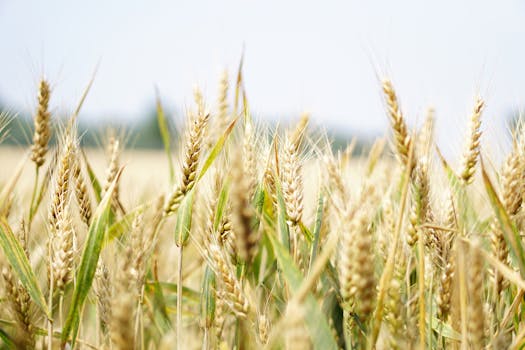
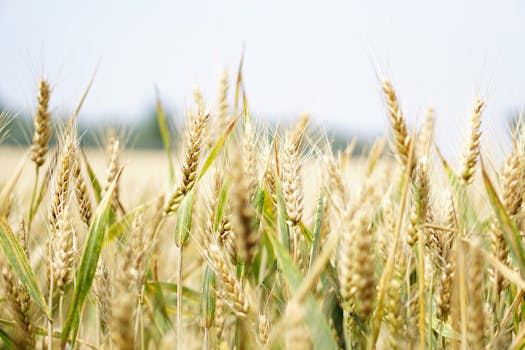
Cereals, originating from the Poaceae family, are grasses cultivated for their edible grains or seeds. Central to various cultural cuisines, they’re primarily composed of carbohydrates, but also offer dietary fiber, B vitamins, and essential minerals. The most commonly consumed grains include wheat, maize, rice, and barley, each playing a key role in global nutrition.
Within the broad category of cereals, there are both gluten-containing options like wheat, rye, and barley, and gluten-free alternatives such as rice, quinoa, and amaranth. This diversity ensures that even individuals with dietary restrictions can find suitable cereal options.
Due to their high energy content, cereals are often consumed at breakfast, helping kickstart the day with a boost of sustained energy. Their inclusion in meals across the world underscores their importance in maintaining a balanced diet.
How many types of cereals are there?
The variety of cereals available is vast, with each type offering unique flavors and benefits. While it’s challenging to pinpoint an exact number, there are dozens of cereals cultivated worldwide. These range from commonly known grains like oats and wheat to less familiar types such as spelt, teff, and sorghum.
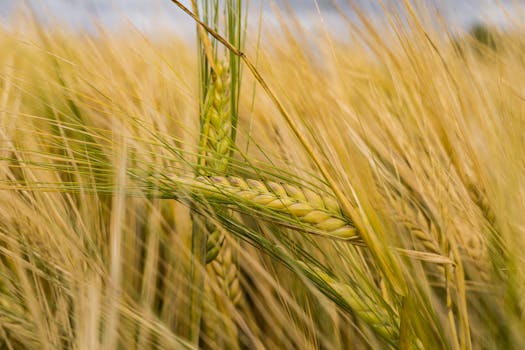
Each variety of cereal has been adapted over time to suit different climates and soils, leading to an extensive range of species within the primary cereal families. Moreover, advancements in agriculture have led to the development of hybrids and novel cereal types, further expanding the choices available to consumers.
When considering both primary and secondary cereal types, including derivatives and cultivars, the number extends into the hundreds. Each type boasts its own nutritional profile and culinary applications, reflecting the agricultural diversity of cereals.
What are the 14 healthiest cereals for breakfast?
When choosing healthy cereal choices for breakfast, it’s important to look for options rich in fiber and low in added sugars. Whole grain cereals are often recommended for their nutritional density and ability to aid in cholesterol management and weight control.
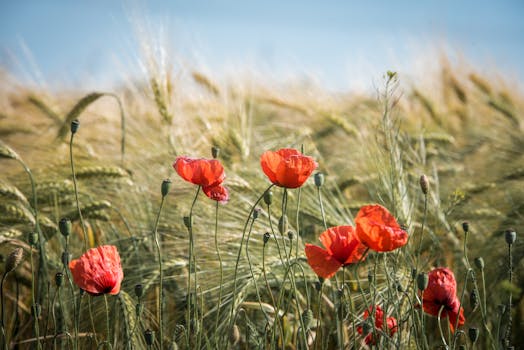
Some of the top health-conscious cereals include oats, which are known for their heart-healthy properties; barley, packed with essential nutrients; and quinoa, a complete protein source. Additionally, buckwheat, millet, and bulgur stand out for their fiber content and versatility in recipes.
It’s advisable to opt for cereals that are minimally processed, ensuring you reap the full benefits of whole grains. Labels such as ‘whole wheat’ or ‘whole grain’ can guide you toward healthier breakfast choices, which are fundamental in a balanced diet.

Cereals for kids: Types, recommendations, and benefits
- Opt for whole grains: Whole grain cereals like brown rice and oatmeal provide essential nutrients and fiber for growing bodies.
- Minimize sugar content: Look for cereals with low sugar to prevent energy spikes and promote better concentration throughout the day.
- Include fortified options: Many cereals for kids are fortified with vitamins and minerals, enhancing their nutritional profile.
- Consider taste preferences: While nutrition is key, finding cereals that are also palatable to children encourages better eating habits.
It’s important to balance a child’s preference for flavor with the need for a nutritious meal, striking a compromise that ensures they enjoy their food while gaining the necessary dietary benefits.
Complete list of types of cereals
Compiling an exhaustive list of all cereal types would be extensive, but some of the most widely consumed include wheat, rice, maize, oats, barley, rye, millet, and sorghum. In the gluten-free category, rice, buckwheat, quinoa, and amaranth are popular choices that cater to those with dietary restrictions.
Each cereal type can be further divided into subcategories based on grain variety, cultivation method, and geographical origin. These differences can affect the grain’s texture, flavor, and nutritional content, making each cereal unique.

Exploring the full spectrum of cereals available can lead to the discovery of new flavors and culinary inspirations, enhancing one’s diet with a blend of traditional and exotic grains.
Are store-bought cereals healthy?
Store-bought cereals can be healthy if selected with care. It’s essential to scrutinize the ingredient list for low sugar cereals and minimal artificial additives. Many commercial cereals are fortified with vitamins and minerals, but this can sometimes be overshadowed by high sugar and sodium content.

To ensure healthier choices, prioritize cereals with whole grains as the first ingredient and those that are high in fiber. Be cautious of health claims on packaging and focus instead on the nutritional facts label for accurate information on what you’re consuming.
As a general rule, the fewer the ingredients, and the more recognizable they are, the better. Natural ingredients typically equate to a healthier, more wholesome cereal option.
What ingredients should you avoid in cereals?
When purchasing cereals, it’s prudent to avoid those with high levels of added sugars, artificial colors, and flavors. These can detract from the nutritional value of the cereal and may have adverse health effects when consumed regularly.

Trans fats and high fructose corn syrup are also ingredients to steer clear of. Opting for cereals with simple, wholesome ingredients ensures you’re not ingesting unnecessary additives that offer little to no dietary benefit.
Lastly, some cereals contain preservatives to extend shelf life. While these are generally considered safe, choosing fresher, preservative-free options can contribute to a cleaner diet.

Exploring further into the world of cereals
As we delve deeper into the vast world of cereals, it’s evident that the choice goes beyond what meets the eye on the supermarket shelf. Understanding the various types of cereals, from gluten-containing to gluten-free, and their respective health benefits is crucial for making informed decisions.
Whether you’re looking for the ideal breakfast cereal to kickstart your day or searching for the healthiest options for your family, knowledge is power. With the guidance provided in this article, you can navigate the cereal aisle with confidence, selecting options that align with your dietary needs and wellness goals.
Expanding your cereal knowledge: related questions
What are the 10 types of cereals?
Among the array of cereals available, ten prominent types include wheat, maize, rice, oats, barley, rye, millet, sorghum, buckwheat, and quinoa. Each offers unique nutritional benefits and serves as a fundamental component of various culinary dishes around the globe.
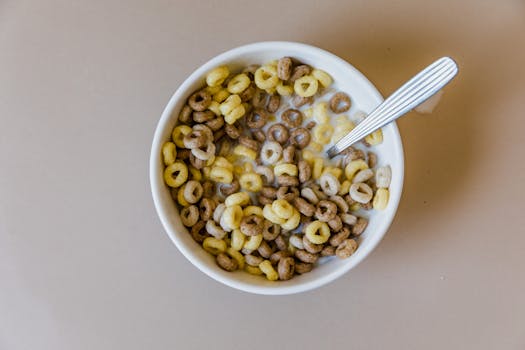
These ten cereals can be found in myriad forms, from flaked and puffed for breakfast to ground into flour for baking. Understanding their individual properties allows for better dietary choices and meal planning.
What are the 7 cereals?
The seven cereals often referred to are wheat, rice, maize, barley, sorghum, millet, and rye. These form the basis of numerous staple foods, providing essential nutrients and energy across diverse diets.
They represent some of the most ancient and widely grown grains, with a history of cultivation that dates back millennia. Each has played a pivotal role in human nutrition and continues to be a key ingredient in modern-day food products.
What are 30 types of cereals?
While listing 30 types of cereals is extensive, some lesser-known varieties beyond the primary grains include teff, spelt, kamut, triticale, fonio, and wild rice. These cereals are gaining popularity for their unique tastes and nutritional profiles.
With growing interest in heritage grains and alternative cereals, consumers are increasingly encountering a broader spectrum of options, which include these and other varieties like farro, einkorn, and Job’s tears.

What are the most healthy cereals?
The healthiest cereals are typically those rich in fiber, vitamins, and minerals while being low in added sugars and saturated fats. Whole grain cereals like oats, barley, and quinoa are often cited as some of the healthiest options due to their comprehensive nutritional benefits.
Such cereals support heart health, aid in digestion, and can help manage weight, making them ideal choices for a healthful diet. When selecting cereals, looking for whole grain labels and low sugar content can guide you toward the healthiest selections.

For a visual exploration into the variety of cereals, check out this informative video:
Understanding the different types of cereals and incorporating them into your diet can lead to a richer, more balanced nutritional intake. With the information provided, you’re now equipped to make cereal choices that not only satisfy taste but also contribute to your overall health.