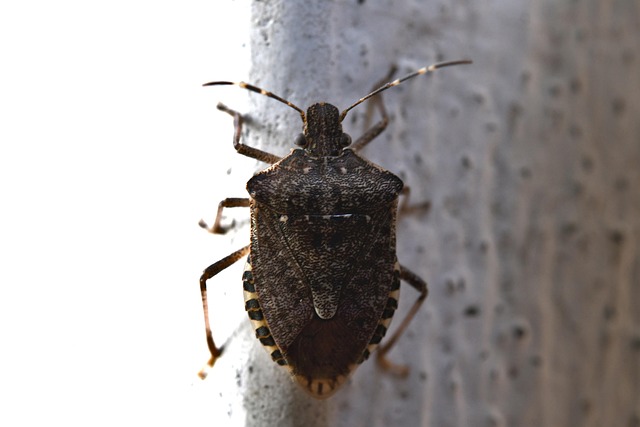
Welcome to our comprehensive guide on the different types of dangerous bed bugs that could be lurking in your home. These tiny pests can pose serious health risks, so it’s crucial to understand which species are considered dangerous, how to identify them, and what steps to take if you suspect an infestation.
Table of Contents
- What are the different types of dangerous bed bugs?
- How do dangerous bed bugs transmit diseases?
- Which bed bug species are considered the most dangerous?
- What are the symptoms of a bed bug bite?
- How can you prevent dangerous bed bug infestations?
- What should you do if you are bitten by a bed bug?
- Frequently asked questions — you ask, we answer
What are the different types of dangerous bed bugs?
Beyond the common bed bug, Cimex lectularius, there are other species that are considered dangerous due to their ability to transmit diseases. One such species is the kissing bug (Triatoma infestans), which can spread the parasite Trypanosoma cruzi, the cause of Chagas disease. These bugs are typically found in warmer climates and are known for their nocturnal feeding habits.
There are also other types of dangerous bed bugs that can cause various health issues. Some might not transmit diseases but can lead to allergic reactions or secondary infections due to scratching the bite sites. It’s important to be able to identify these pests to take appropriate action.
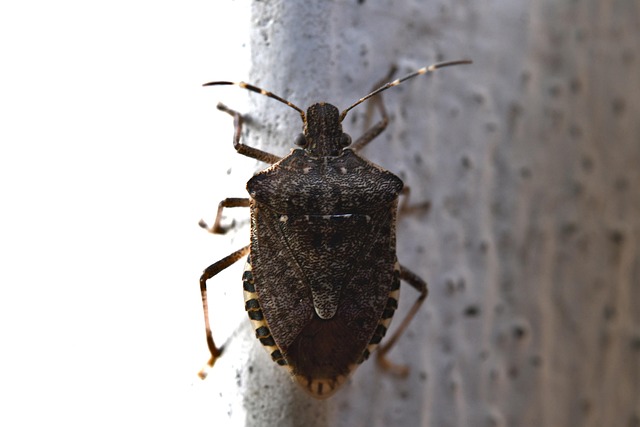
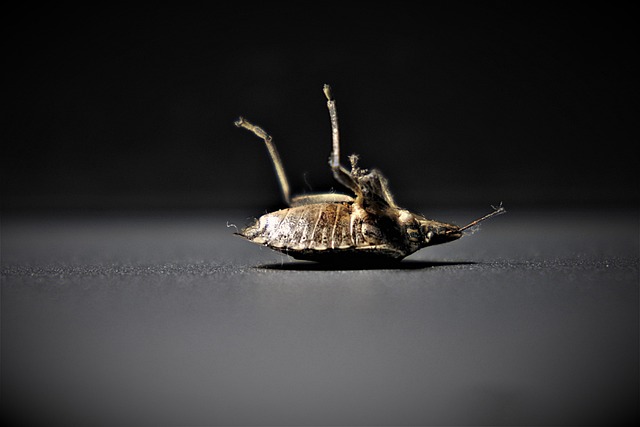
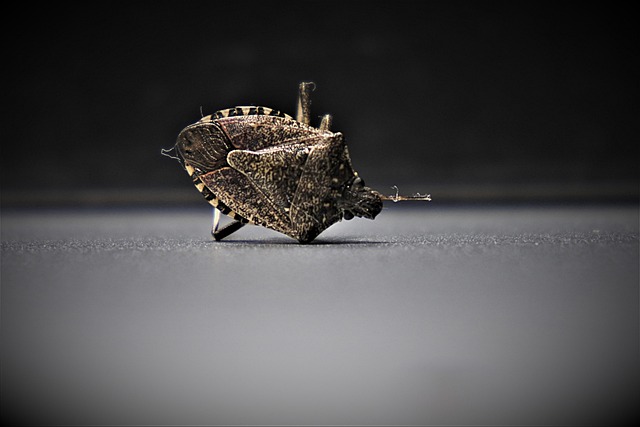
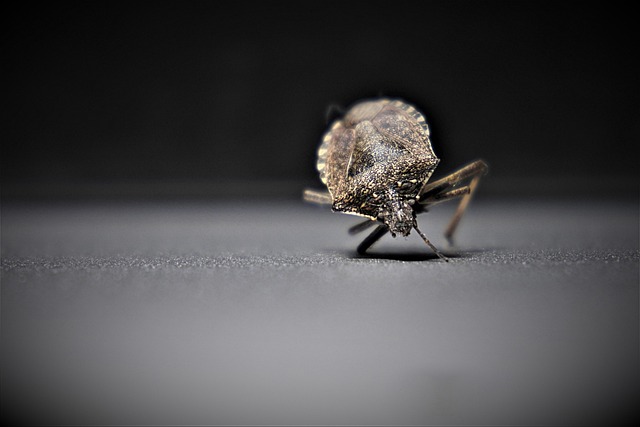
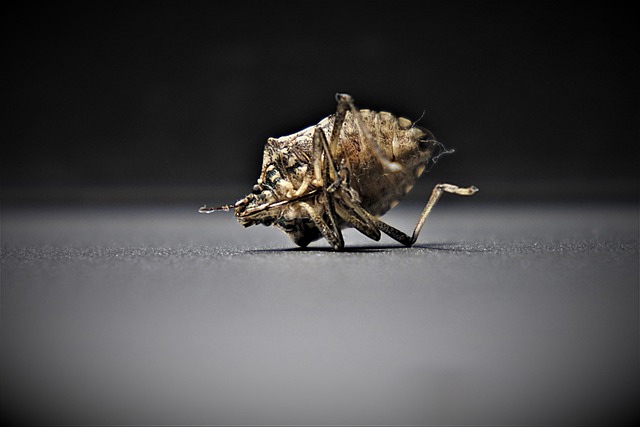
When identifying bed bugs, look for small, reddish-brown insects with flat, oval-shaped bodies. They can often be found in the seams of mattresses, furniture, or even behind wallpaper. Signs of an infestation include small blood smears on sheets, a sweet musty odor, or the bugs themselves.
How do dangerous bed bugs transmit diseases?
Dangerous bed bugs, like the kissing bug, transmit diseases through their bites. They feed on the blood of humans and animals, and in doing so, can pass along pathogens. For example, the Chagas disease is transmitted when the infected bug defecates near the bite site and the feces enter the body.

It’s not just the bite that poses a risk; handling the insect or coming into contact with its excrement can also lead to infection. This is why it’s crucial to handle any bed bug situation with care and to seek professional pest control assistance.
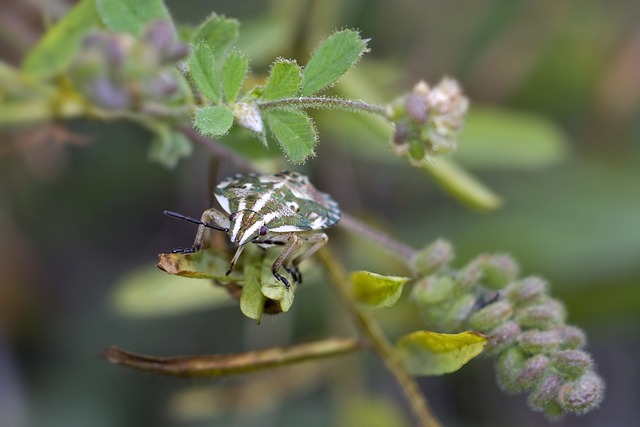
Preventing these bugs from entering your home in the first place is key. This can be done by sealing cracks and crevices, using protective covers on mattresses, and being vigilant while traveling.
Which bed bug species are considered the most dangerous?
The most dangerous bed bug species is arguably the kissing bug, due to its ability to transmit Chagas disease. Chagas can cause long-term health issues, including heart disease and intestinal complications, making it a significant concern in areas where these bugs are prevalent.
However, even the common bed bug can be dangerous to individuals who have severe allergies to their bites. While they do not transmit diseases, the psychological effects and secondary infections from bites should not be underestimated. Professional pest control is often required to fully eradicate these infestations.
What are the symptoms of a bed bug bite?
- Red, swollen areas with a darker red spot in the middle
- Itching or a burning sensation at the bite site
- Clusters or lines of bites in a localized area
- Secondary infection from scratching
Recognizing the symptoms of dangerous bed bug bites is vital for early detection and treatment. Symptoms can vary from person to person, and not everyone reacts to bites in the same way. Some may not even realize they’ve been bitten, while others may have more pronounced symptoms.
If you experience any of these symptoms, it’s essential to inspect your sleeping area for signs of bed bugs and consider seeking medical advice, especially if you suspect the bite may be from a species known to transmit diseases.
How can you prevent dangerous bed bug infestations?
Preventing bed bug infestations involves a combination of vigilance and proactive measures. Regularly inspecting your living spaces for signs of bed bugs is crucial. Use protective mattress covers, vacuum frequently, and reduce clutter where bugs can hide.
When traveling, always check hotel beds and furniture for bed bugs and avoid placing luggage on the bed. If purchasing second-hand furniture, inspect it thoroughly before bringing it into your home.
What should you do if you are bitten by a bed bug?
If you are bitten by a bed bug, the first step is to clean the affected area with soap and water to prevent infection. Applying a cold compress can help reduce swelling, and over-the-counter antihistamines may alleviate itching.
It’s important to identify and address the infestation quickly. Contacting a professional pest control service can ensure that the infestation is dealt with effectively and safely.
While waiting for professional help, you can start by isolating your bed, washing all linens in hot water, and vacuuming thoroughly. Encasing mattresses and pillows in protective covers can also help contain the situation.
Frequently asked questions — you ask, we answer
Which dangerous bed bug is most common?
The common bed bug (Cimex lectularius) is often the most prevalent in homes. These pests have adapted to living with humans and can be found worldwide. While they are not known to transmit diseases, their bites can cause discomfort and allergic reactions in some individuals.
It’s crucial to be vigilant for any signs of an infestation, as these bugs multiply quickly and can be challenging to eradicate without professional help.
What smell do bed bugs hate?
Bed bugs are repelled by certain smells, including essential oils like lavender, peppermint, and tea tree oil. Implementing these scents can be a part of your preventative strategy, although they are not a guaranteed solution for an active infestation. Professional treatment is typically required for complete eradication.
Consider using these scents in your laundry or as part of a homemade spray as an additional layer of protection against these pests.
How can you tell if it’s a bed bug or mite?
Bed bugs and mites differ in appearance and behavior. Bed bugs are larger and visible to the naked eye, with a distinctive oval shape and reddish-brown color. Mites, on the other hand, are much smaller and often require a microscope to be seen.
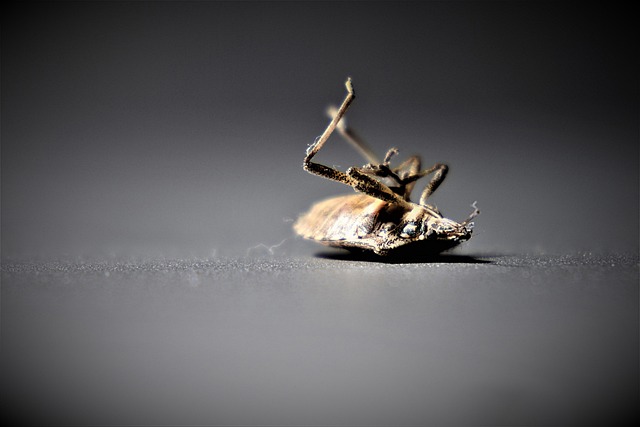
Additionally, bed bugs tend to leave behind tell-tale signs such as blood spots on sheets and a sweet, musty odor. Recognizing these differences can aid in proper identification and treatment.
What types of dangerous bed bugs have a foul odor?
Certain types of dangerous bed bugs, when crushed or disturbed, can emit a foul odor due to the release of alarm pheromones. This smell is often described as musty or sweet. The common bed bug can produce such an odor, particularly in large infestations.
If you notice a persistent unpleasant smell in your bedroom or where you sleep, it’s a good indicator that you should inspect for bed bugs and consider professional pest control services.
This comprehensive guide on tipos de chinches peligrosas aims to arm you with the knowledge necessary to protect your home and health from these pests. Remember, early detection and professional intervention are key to managing bed bug issues effectively.