Mushrooms are a fascinating and diverse part of the culinary world, offering an array of flavors, textures, and health benefits. Exploring the types of edible mushrooms with photos not only enhances the understanding and appreciation of these natural delicacies but also ensures a safe and enjoyable experience for foragers and cooks alike.
Table of Contents
- 10 types of edible mushrooms you should know
- What are the most common types of edible mushrooms?
- How to identify edible mushrooms safely?
- What are the health benefits of edible mushrooms?
- Which edible mushrooms are best for cooking?
- How to forage for wild edible mushrooms?
- What are the differences between edible and toxic mushrooms?
- How to store and preserve edible mushrooms?
- Related questions about edible mushrooms
10 types of edible mushrooms you should know
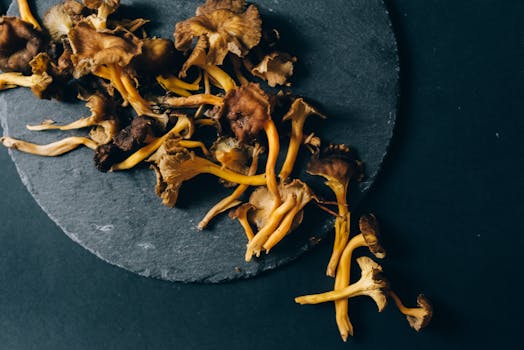
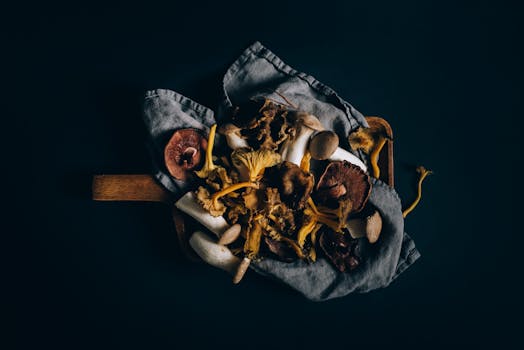
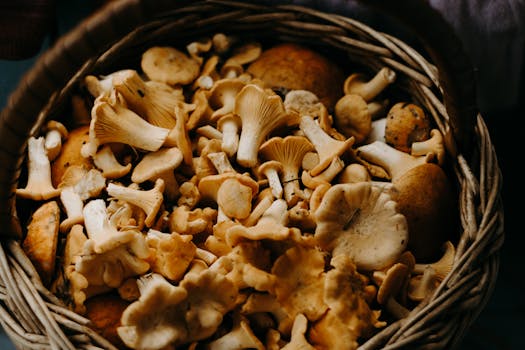
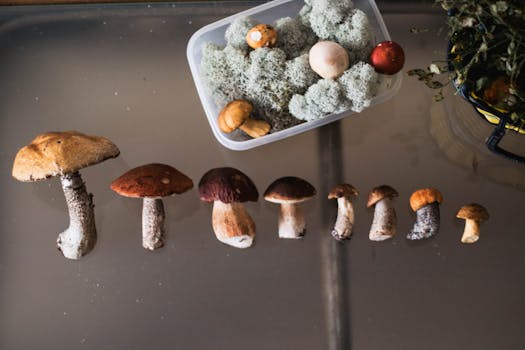
When venturing into the world of fungi, there are certain types of mushrooms that every enthusiast should be able to identify. The Níscalo, known for its vibrant orange hue, is a popular choice in Spanish cuisine. The Boletus group, including the prized porcini, is renowned for its nutty flavor. Champiñón, the common button mushroom, is a versatile ingredient, while the golden Rebozuelo (chanterelle) is sought after for its peppery taste. Lastly, the Membrillero or quince mushroom is another edible variety worth noting.
These mushrooms can be found in a range of environments, from woodlands to meadows. Each has unique characteristics, such as the sponge-like underside of Boletus or the distinctive gills of Champiñón.
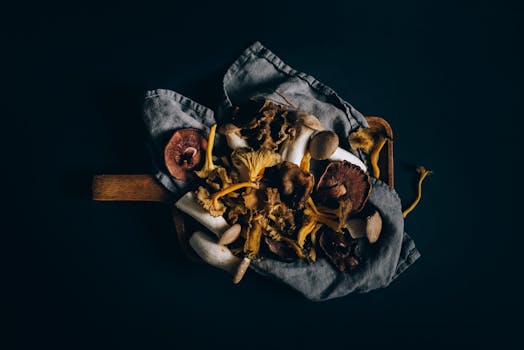
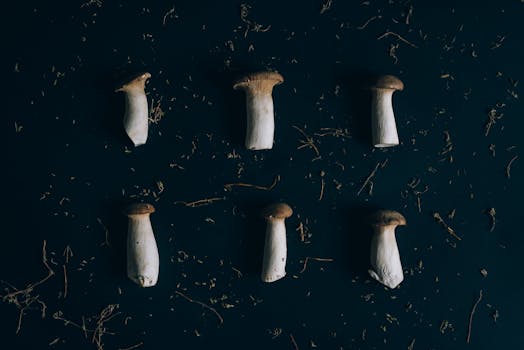
For those looking to use tipos de setas comestibles fotos as a guide, high-quality images are indispensable. They help to distinguish between these varieties and the less desirable or even poisonous ones.
What are the most common types of edible mushrooms?
Common types of edible mushrooms include the aforementioned varieties along with others like the Portobello, Cremini, and Shiitake. These mushrooms are not only popular in different cuisines but are also widely available in markets.
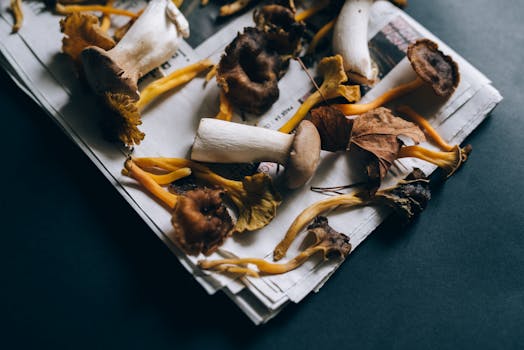
Each type has its own preferred growing conditions and season, which is why mushroom enthusiasts often have better luck finding certain types at specific times of the year. In spring and fall, wild mushrooms like morels and oyster mushrooms make their appearance in many regions.
With so many varieties commonly consumed, it’s helpful to use types of edible mushrooms photos to make accurate identifications during foraging expeditions.
How to identify edible mushrooms safely?
Identifying edible mushrooms safely is a critical skill for foragers. It involves understanding mushroom parts, such as the cap, stem, and gills, and recognizing patterns in color, shape, and texture.
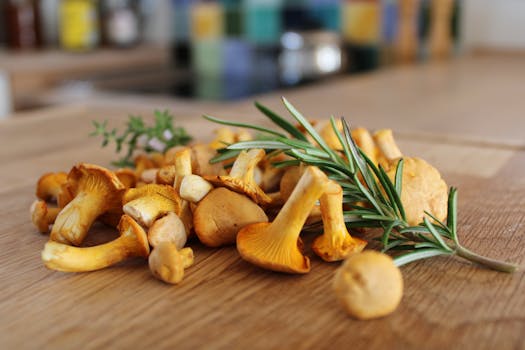
Consulting a field guide or using an app with tipos de setas comestibles fotos can provide valuable information. Always cross-reference multiple sources to confirm identification, and when in doubt, seek advice from experienced foragers or mycologists.
Remember, some edible mushrooms have toxic look-alikes. Learning to spot the subtle differences is key to safe mushroom foraging.
What are the health benefits of edible mushrooms?
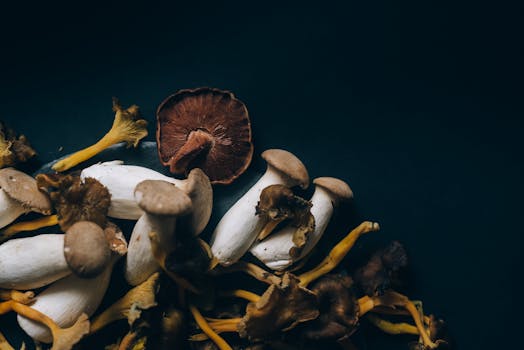
Edible mushrooms are not just delicious; they are also packed with nutritional value. Rich in vitamins, minerals, and antioxidants, mushrooms can contribute to a healthy diet. Varieties such as Shiitake are known for their immune-boosting properties, while others, like Portobello, offer a good dose of vitamin D.
Mushrooms are also low in calories and fat but high in fiber and protein, making them an excellent food choice for those looking to manage their weight or improve their overall health.
The health benefits of different mushrooms extend to potential medicinal properties, including reducing the risk of certain diseases and improving mental well-being.
Which edible mushrooms are best for cooking?
When it comes to cooking with edible mushrooms, the options are vast. Cremini and Portobello mushrooms are excellent for grilling and stuffing, while the delicate flavors of Chanterelles make them ideal for sautéing in butter or oil.
Shiitake mushrooms, with their rich and smoky flavor, are a favorite in Asian cuisine, often used in soups and stir-fries. For a more decadent experience, the earthy tones of truffles and morels are perfect for gourmet dishes.
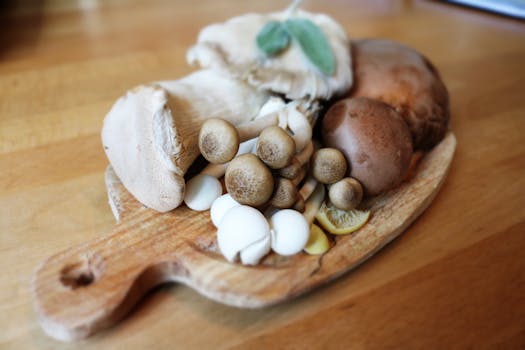
Experimenting with different cooking methods, such as roasting, frying, or steaming, can bring out unique flavors and textures in each mushroom type.
How to forage for wild edible mushrooms?
Foraging for wild edible mushrooms is a rewarding activity that connects you with nature and provides a fresh, organic addition to your meals. To forage successfully, you need to know where to look. Mushrooms thrive in moist, shaded areas, often around trees or in fields with rich soil.
It’s essential to follow sustainable foraging practices, such as harvesting in a way that allows mushrooms to regrow and avoiding over-picking in a single area.
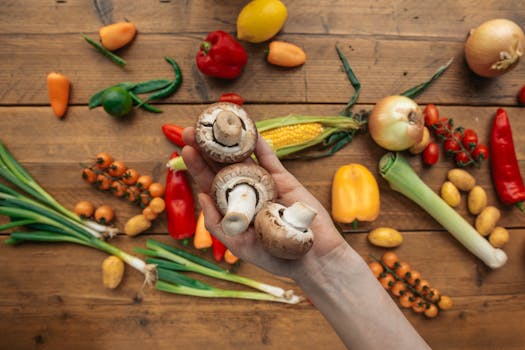
Equip yourself with a basket for gentle transport, a knife for clean cuts, and a guidebook or app to aid in identification. Safe foraging for mushrooms also means never consuming a mushroom unless you’re 100% certain of its edibility.
What are the differences between edible and toxic mushrooms?
Distinguishing between edible and toxic mushrooms is crucial. Some edible mushrooms, like the Níscalo, have bright colors that may seem warning signs but are perfectly safe. On the other hand, toxic mushrooms might look harmless.
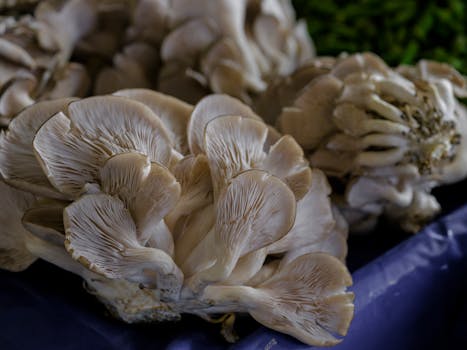
Many toxic mushrooms have features similar to edible varieties. For instance, the deadly Amanita can resemble common edible mushrooms but often have a ring on the stem and a bulbous base.
Always err on the side of caution when identifying mushrooms. If you’re not sure, leave it alone. Symptoms of mushroom poisoning can range from mild gastrointestinal discomfort to severe organ failure, so accurate identification is non-negotiable.
How to store and preserve edible mushrooms?
Proper storage and preservation are key to maintaining the flavor and nutritional value of edible mushrooms. Fresh mushrooms should be kept in a paper bag in the refrigerator to allow for air circulation and to prevent moisture build-up.
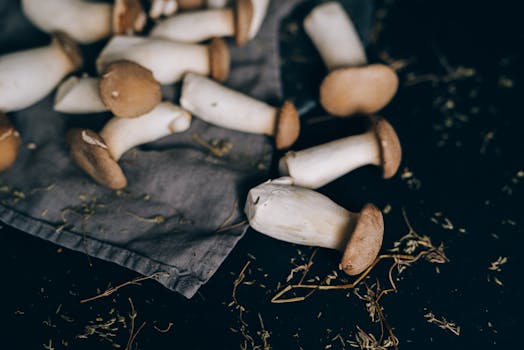
Drying is a popular preservation method that extends the shelf life of mushrooms and concentrates their flavors. Simply slice the mushrooms and lay them out on a rack in a warm, airy space. For quicker drying, you can use a food dehydrator or an oven on a low setting.
Other methods, such as freezing, pickling, or canning, can also be effective, though each method may impact the texture and flavor of the mushrooms differently.
Related questions about edible mushrooms
What are the main types of edible mushrooms?
The main types of edible mushrooms include the commonly found Champiñón (button mushroom), Cremini, and Portobello, along with wild varieties like Morels, Chanterelles, and Porcini (Boletus).
Each of these mushrooms is prized for its unique flavors and suitability for various dishes, from simple sautés to elaborate sauces and stews.
Which is the best mushroom to eat?
The “best” mushroom to eat often comes down to personal preference and the intended use in cooking. Portobellos are excellent for grilling, while Chanterelles are favored for their delicate taste in fine cuisine.
Ultimately, the best mushroom is one that is safely identified, freshly harvested, and fits the flavor profile of the dish you are preparing.
What are 10 edible mushrooms?
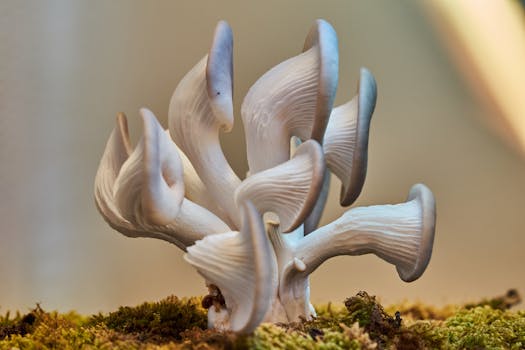
Ten edible mushrooms that are widely appreciated include Portobello, Cremini, Shiitake, Enoki, Oyster, Morel, Chanterelle, Porcini, Button mushroom, and King Trumpet.
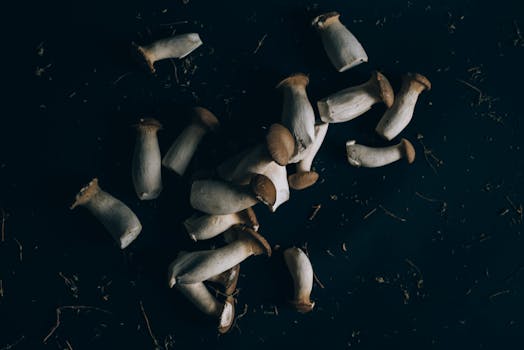
Each provides a distinct culinary experience and can be found in various environments, from grocery stores to wild forests.
How to know which mushrooms are edible?
To know which mushrooms are edible, it’s crucial to research and learn the distinctive characteristics of each type. Use reputable sources and high-quality photos, like tipos de setas comestibles fotos, for reference.
Even with thorough knowledge, always approach wild mushroom foraging with caution and consult experts whenever there is any doubt about the safety of a mushroom.