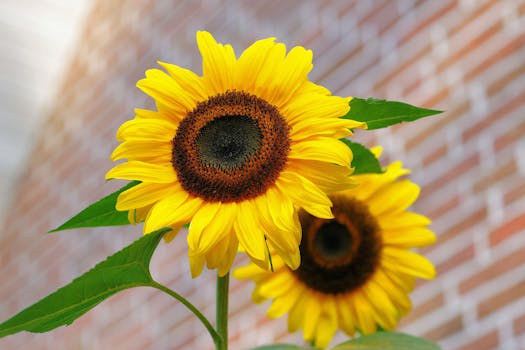
Exploring the world of botany unearths a diverse palette of color, fragrance, and beauty in the form of flowers. Each type of flower carries its unique charm and significance, making them more than merely a feast for the eyes. From the gentle whisper of petals in the wind to the bold statements they make in bouquets and gardens, tipos de flores are a language of their own, communicating emotions and sentiments across cultures and occasions.
In this comprehensive guide, we delve into the types of flowers that captivate our senses and hearts. Whether you are a gardening enthusiast, a floral arranger, or someone looking to mark a special occasion with the perfect bloom, understanding the varieties and meanings of flowers can elevate your appreciation and selection to new heights.
Table of Contents
- How to choose the right flower for every occasion?
- What are the most popular types of flowers?
- What are the different types of flowers and their meanings?
- How to care for different types of flowers?
- What are the best flowers for bouquets and arrangements?
- What flower types are best for each season?
- Which flowers are ideal for gift giving?
- Related questions on the variety and significance of flowers
How to choose the right flower for every occasion?
Choosing the right flower for an occasion is an art form, where understanding the language and symbolism of blooms is key. Be it expressing love, sympathy, or celebration, flowers can communicate where words fall short.
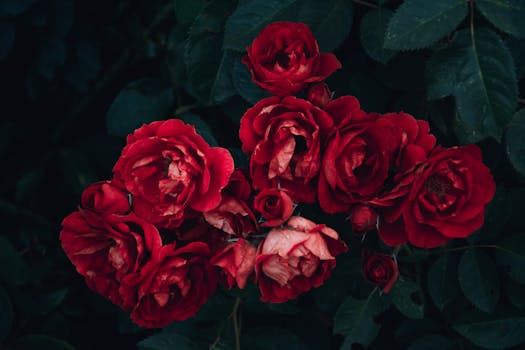
For romantic occasions, roses are a classic choice, symbolizing love and passion. Lilies, with their elegant form, are often associated with funerals, offering a message of peace. When celebrating a birthday, opt for bright and cheerful flowers like gerberas or sunflowers that exude joy and positivity.
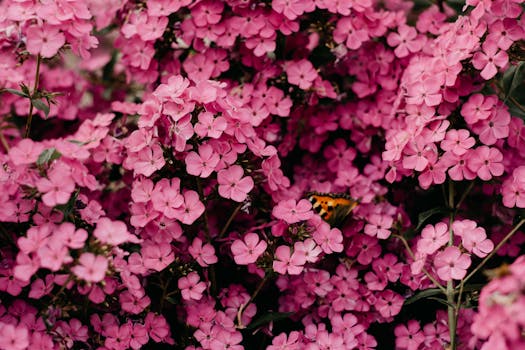
During weddings, white flowers like orchids or peonies are preferred for their purity and romance. For a get-well-soon gesture, cheerful and vibrant flowers such as daisies or tulips can uplift spirits. It’s important to consider the recipient’s preferences and the cultural significance of the flowers you choose.
What are the most popular types of flowers?
- Roses, timeless and universally loved, come in various colors each with different meanings.
- Tulips, a springtime favorite, are cherished for their simplicity and vibrant hues.
- Orchids, exotic and graceful, symbolize luxury and strength.
- Lilies, available in several varieties, convey purity and are commonly used in religious ceremonies.
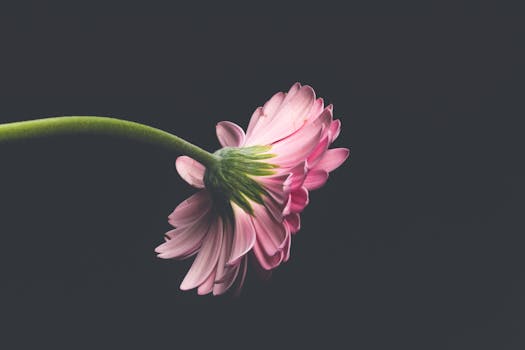
- Gerberas, with their large daisy-like blooms, are known for symbolizing innocence and cheerfulness.
What are the different types of flowers and their meanings?
Flowers are not only admired for their beauty but also for the rich meanings they hold. The language of flowers, or floriography, allows us to convey messages through the types of flowers we select.
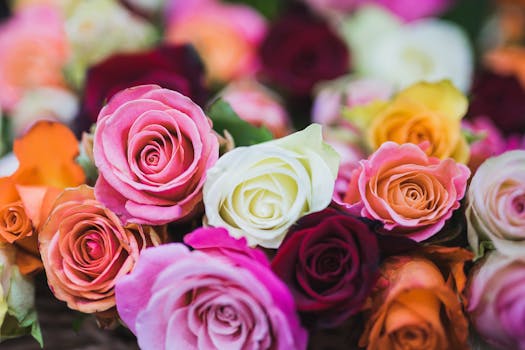
Roses, for instance, stand for love and admiration, with each color carrying a specific message: red for deep love, white for innocence, and yellow for friendship. The alstroemeria, also known as the Peruvian lily, is a symbol of friendship and mutual support.
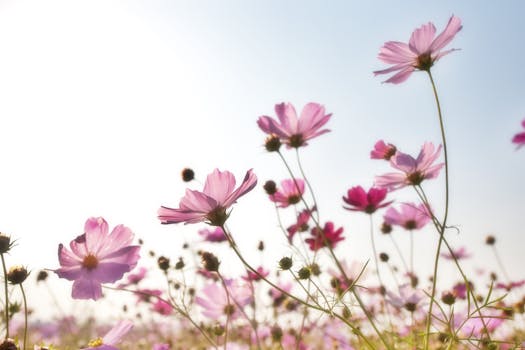
For expressing forgiveness, the purple hyacinth is a poignant choice. The gladiolus, with its tall and striking stalks, represents strength of character and honor. Meanwhile, gardenias convey purity and sweetness, often given to express secret love.
How to care for different types of flowers?
Caring for flowers extends their beauty and life, whether in a vase or in your garden. Different flowers require varying care routines, with attention to watering, sunlight, and soil conditions.
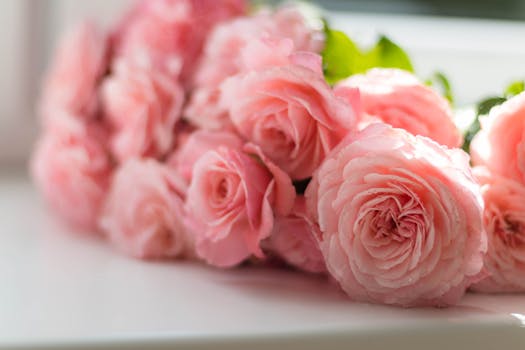
For cut flowers, changing the water regularly and trimming the stems can keep them fresh longer. When it comes to potted flowers or garden blooms, understanding their natural habitat is crucial. Succulents and cacti, for example, thrive in dry conditions, while ferns and calla lilies prefer moist, shaded environments.
Provide proper nutrients through fertilizers tailored to your flowers’ needs. Deadheading, or the removal of spent blooms, encourages new growth in flowering plants like roses and geraniums. Always research the specific care requirements for each flower type to ensure they flourish.
What are the best flowers for bouquets and arrangements?
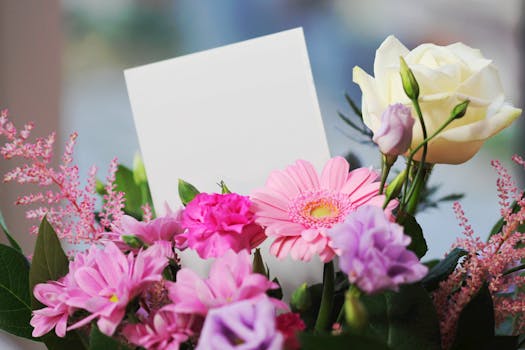
Crafting the perfect bouquet or arrangement hinges on a balance of color, texture, and flower types. Roses, peonies, and lilies are popular choices for their full blooms and range of colors, creating a luxurious feel.
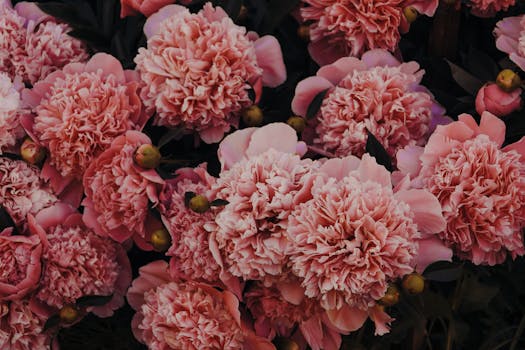
For texture, consider adding greenery like eucalyptus or ferns, and accent flowers such as baby’s breath or snapdragons. Seasonal flowers can also bring a timely and natural flair to your arrangements.
When creating arrangements, consider the size and scale of your flowers. Larger blooms serve as focal points, while smaller flowers fill in gaps and add depth. Harmonizing colors and mixing various shapes and textures can result in breathtaking floral compositions.
What flower types are best for each season?
Seasonal flower selections not only embrace the spirit of the time of year but are also a sustainable choice, often requiring less transport and being more readily available.
In spring, opt for tulips, daffodils, or cherry blossoms that herald new beginnings. Summer calls for vibrant blooms like sunflowers, zinnias, or dahlias. Autumn flowers, such as chrysanthemums and marigolds, echo the warm tones of the season. For winter, consider hellebores or poinsettias that can withstand the chill and bring color to colder days.
Aligning flower types with the seasons ensures freshness and vibrancy, making your floral choices resonate with the natural world’s rhythm.
Which flowers are ideal for gift giving?
When selecting flowers as a gift, considering the recipient’s taste and the occasion is essential. For housewarming or hostess gifts, potted plants like orchids or peace lilies are thoughtful, long-lasting choices.
For anniversaries, consider the traditional flowers associated with each milestone, like daisies for the fifth year or roses for the fifteenth. Birthdays can be brightened with the recipient’s birth month flower, such as lilies for May or chrysanthemums for November.
For a gesture of gratitude or apology, mixed bouquets with a variety of blooms can express a range of sentiments, while for romantic gifts, red roses remain the quintessential symbol of love.
Related questions on the variety and significance of flowers
What are 10 types of flowers?
When exploring the vast variety of blooms, here are ten types that stand out for their beauty and popularity:
Roses, Tulips, Daisies, Sunflowers, Orchids, Lilies, Peonies, Chrysanthemums, Hydrangeas, and Irises. Each of these flowers brings unique qualities to gardens and arrangements, making them cherished by flower enthusiasts worldwide.
What are the 10 most beautiful flowers?
Beauty is subjective, especially when it comes to flowers. However, some blooms are widely recognized for their stunning appearance:
The elegance of Orchids, the vibrant colors of Bird of Paradise, the classic charm of Roses, the delicate petals of Cherry Blossoms, the dramatic presence of Calla Lilies, the whimsy of Tulips, the lush fullness of Peonies, the intricate design of Passion Flowers, the vivid display of Dahlia, and the celestial form of Lotus.

What are the 25 most popular flowers?
Among the multitude of flowers, these 25 stand out for their popularity in gardens and floral designs:
- Roses
- Tulips
- Daffodils
- Hydrangeas
- Orchids
- Sunflowers
- Lavender
- Lilies
- Peonies
- Cherry Blossoms
- Irises
- Magnolias
- Gerberas
- Marigolds
- Poppies
- Zinnias
- Carnations
- Chrysanthemums
- Gladiolus
- Amaryllis
- Anemones
- Ranunculus
- Gardenias
- Camellias
- Forget-me-nots
These flowers are celebrated for their diverse appearances and the joy they bring to those who grow and receive them.
What are all the flower names?
Listing every flower name would be an exhaustive task, as there are thousands of types across the globe. However, some widely recognized names include:
Roses, Daisies, Tulips, Orchids, Lilies, Gerberas, Hydrangeas, Carnations, Chrysanthemums, and Irises. Each carries its own signature look and story, contributing to the rich tapestry of the floral world.
In the pursuit of understanding and appreciating the tipos de flores, this guide serves as a window into the enchanting realm of blooms. From the delicate dance of the petals to the deep roots of symbolism, flowers offer a universe of wonder to explore and cherish.