Fungi are a fascinating and diverse kingdom, encompassing a wide range of organisms that play pivotal roles in various ecosystems and human life. From the mushrooms that garnish our plates to the molds that both aid and plague our existence, fungi are integral to the balance of nature and have been utilized by humans for thousands of years for their medicinal and nutritional properties. Understanding the myriad of fungi types and their characteristics is crucial for appreciating their value and ensuring our safety when interacting with them.
Table of Contents
- What are the different types of fungi?
- How are fungi classified?
- What are the edible types of fungi?
- How do fungi contribute to ecosystems?
- What are the main characteristics of fungi?
- What is the importance of fungi in the kitchen?
- How to properly identify fungi for safety?
- Related questions about types of fungi
What are the different types of fungi?
Fungi come in an array of forms, each with its unique features and functions. The most common categorization divides them into four main groups: saprophytic, mycorrhizal, parasitic, and entomopathogenic fungi. Saprophytic fungi decompose dead organic matter, recycling nutrients back into the ecosystem. Mycorrhizal fungi form beneficial associations with plant roots, enhancing water and nutrient uptake. Parasitic fungi live off living organisms, often causing diseases. Lastly, entomopathogenic fungi specialize in infecting insects and are studied for biocontrol purposes.
Fungi are not just limited to these categories; they also include yeasts, molds, and lichens, each occupying a niche in the biological tapestry. Yeasts are unicellular organisms vital in fermentation, molds are known for their rapid spore production, and lichens represent a symbiotic relationship between fungi and algae.
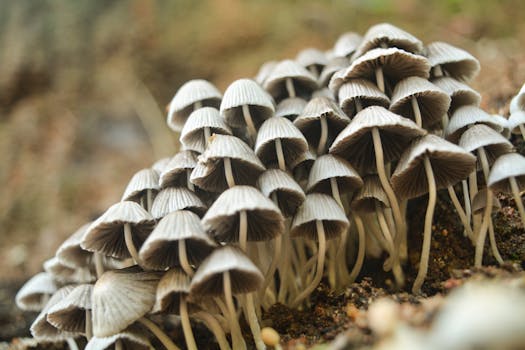
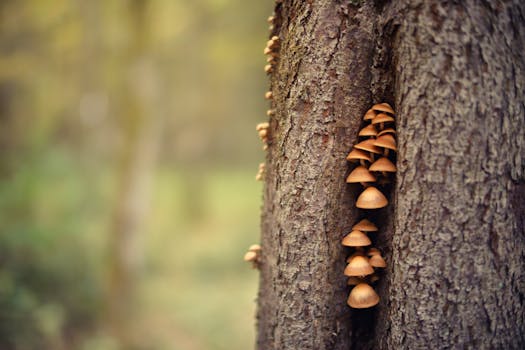
Mushrooms, perhaps the most recognized form of fungi, are the fruiting bodies of certain species, produced for spore dissemination. They come in various shapes and sizes, from the classic cap and stem to intricate coral-like structures.
How are fungi classified?
Classification of fungi, or mycology, is a complex field that categorizes these organisms based on their genetic makeup and morphological characteristics. Fungi are divided into several phyla, with the most well-known being Ascomycota, Basidiomycota, Zygomycota, and Chytridiomycota. Within these phyla, they are further classified into classes, orders, families, genera, and species.
Ascomycota, or sac fungi, are characterized by the production of spores in sac-like structures called asci. Basidiomycota, known for their club-shaped spore-bearing structure, the basidium, include many familiar mushrooms and toadstools. Zygomycota, comprising bread molds, reproduce sexually with zygospores, while Chytridiomycota, primarily aquatic fungi, are known for their flagellated spores.
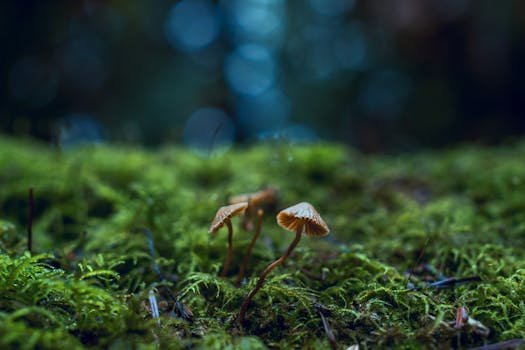
The study of fungal taxonomy is ever-evolving, with molecular techniques revealing new insights into the relationships between different fungal species. This detailed classification aids in understanding their complex roles in ecology and their potential uses in biotechnology and medicine.
What are the edible types of fungi?
- Portobello mushrooms: Known for their large, meaty caps, these are a favorite in grilling and roasting.
- Shiitake mushrooms: Native to East Asia, they are prized for their rich flavor and health benefits.
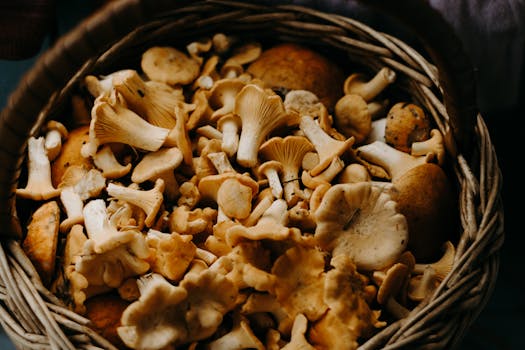
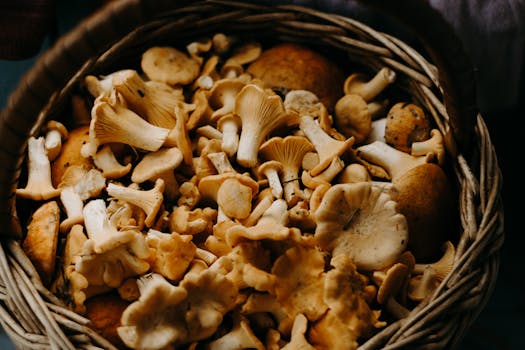
- Chanterelles: Yellow or orange, funnel-shaped, and known for a delicate taste and aroma.
- Morels: Highly sought after for their honeycomb appearance and nutty flavor.
- Truffles: Esteemed for their distinctive aroma, they are one of the most expensive ingredients in the culinary world.
- Enoki mushrooms: With long, thin stems and small caps, they are popular in Asian cuisines.
These edible fungi, among others, are not only delicious but also offer various nutritional benefits, including being rich sources of protein, vitamins, and minerals. They add depth to dishes and are used in a wide array of recipes, from soups and sauces to stir-fries and stews.
How do fungi contribute to ecosystems?
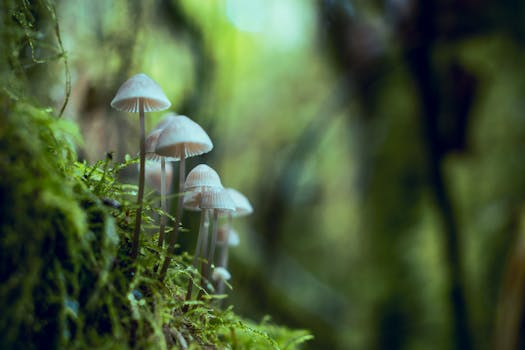
Fungi are ecological powerhouses, playing critical roles in nutrient cycling and soil health. As decomposers, they break down organic matter, releasing nutrients back into the soil, thus supporting plant growth. Mycorrhizal fungi form symbiotic relationships with plants, enhancing nutrient and water absorption, which is vital for the health of forests and other natural environments.
Some fungi are also involved in biocontrol, helping to manage pest populations without the use of harmful chemicals. Fungi can also be indicators of environmental health, as certain species are sensitive to pollution and ecological changes.
Their ability to break down complex compounds can also be harnessed for bioremediation, cleaning up contaminated sites by degrading pollutants. In these ways, fungi are essential to maintaining the delicate balance of ecosystems.
What are the main characteristics of fungi?
Fungi are distinguished from plants and animals by several key characteristics. They possess cell walls made of chitin, unlike the cellulose walls found in plants. Fungi are heterotrophic, meaning they must absorb nutrients from their surroundings, as opposed to photosynthesizing like plants.
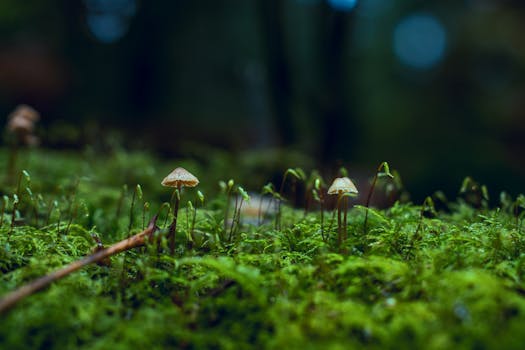
Most fungi reproduce through spores, which are dispersed in various ways, including wind, water, and animal interactions. Fungi have a unique growth form; their bodies consist of networks of fine filaments called hyphae, which form a mass called a mycelium. This extensive growth allows them to thrive in diverse habitats, from soil and plant surfaces to animal bodies and man-made environments.

In terms of metabolism, fungi can break down an impressive range of organic compounds, including those that are recalcitrant to other decomposers. This ability underscores their importance in ecological nutrient recycling and their potential in industrial applications.
What is the importance of fungi in the kitchen?
Fungi are culinary treasures, providing unique flavors, textures, and aromas that enhance a wide variety of dishes. In the kitchen, they can be the star of a meal, as in a rich mushroom risotto, or play a supporting role, adding umami to broths and sauces. Mushroom recipes are vast and varied, demonstrating the versatility of fungi in cooking.
Beyond taste, fungi are valued for their nutritional profile, being low in calories yet rich in nutrients like B vitamins, selenium, and dietary fiber. Some studies even suggest medicinal properties, such as immune system support and cholesterol reduction.
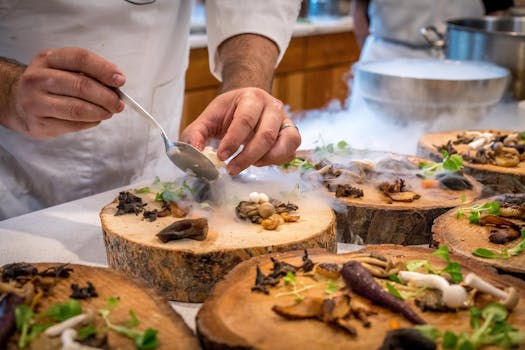
The historical significance of fungi in cuisine is also noteworthy. They have been used in traditional cooking practices across the world, from European gastronomy to indigenous cultures, where mushrooms were not just food but also imbued with spiritual and medicinal significance.
How to properly identify fungi for safety?
Accurate identification of fungi is crucial for safety, as some edible species have toxic look-alikes. It is essential to learn the characteristics of edible fungi and to compare them with known toxic species. When foraging, always go with an experienced guide and use reliable resources, such as field guides or digital platforms like Fungipedia.
Identifying toxic fungi involves examining specific features, such as cap shape, color, presence of gills or pores, stem characteristics, and spore print color. It is also vital to note the habitat where the fungus is growing, as this can give clues to its identity.
Remember, when in doubt, do not consume. The old adage “When in doubt, throw it out” is particularly pertinent when dealing with fungi. It is better to miss out on a culinary experience than to risk serious illness or even death.
Related questions about types of fungi
What are the 4 main types of fungi?
The four main types of fungi are saprophytic, mycorrhizal, parasitic, and entomopathogenic. Saprophytic fungi decompose dead matter, mycorrhizal fungi form symbiotic relationships with plants, parasitic fungi feed on living organisms causing diseases, and entomopathogenic fungi target insects.
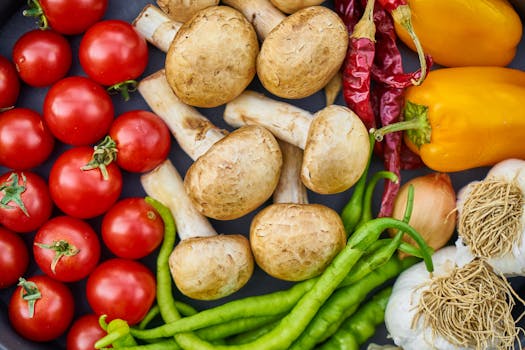
Each type plays a distinct role in the environment, contributing to the complex web of life. Understanding these types helps in ecological conservation and in identifying which fungi are safe for consumption.
What are 10 types of fungi?
Among the myriad of fungal species, some of the more commonly known include:
- Amanita muscaria (fly agaric)
- Agaricus bisporus (white button mushroom)
- Cantharellus cibarius (chanterelle)
- Morchella esculenta (morel)
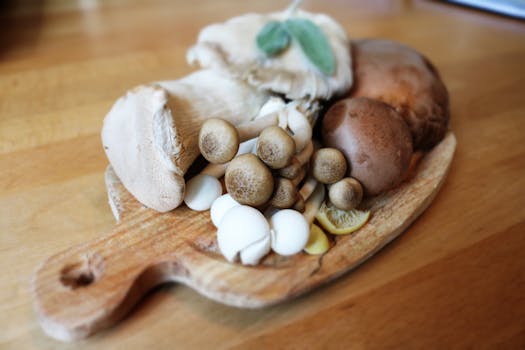
- Pleurotus ostreatus (oyster mushroom)
- Claviceps purpurea (ergot)
- Penicillium chrysogenum (penicillin mold)
- Saccharomyces cerevisiae (baker’s yeast)
- Trichophyton rubrum (athlete’s foot fungus)
- Ganoderma lucidum (reishi mushroom)
These species span the spectrum of beneficial to harmful, showcasing the diversity within the fungal kingdom.

What types of fungi are found on the skin?
The skin is home to a variety of fungi, including those belonging to the genera Candida and Malassezia. Candida can cause infections like thrush, while Malassezia is associated with conditions such as dandruff and pityriasis versicolor. Healthy skin typically keeps fungal populations in check, but imbalances can lead to overgrowth and infection.
Good hygiene and medical treatments are available to manage skin fungi. It is important to consult a healthcare provider if you suspect a fungal skin infection.
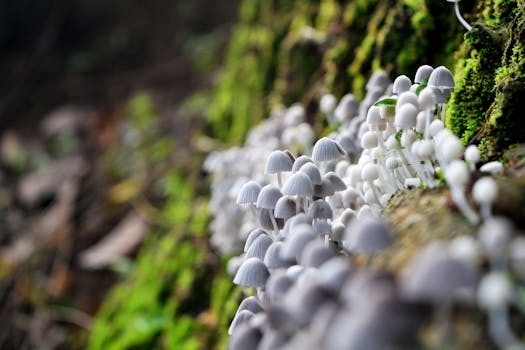
What are the most well-known fungi?
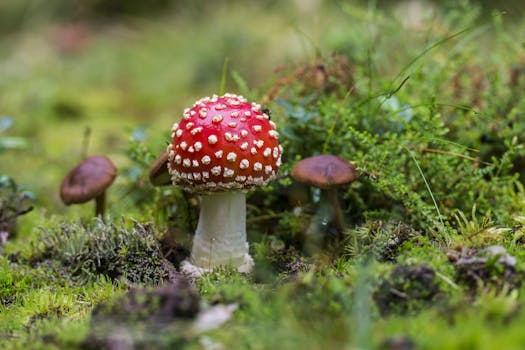
Some of the most well-known fungi include the white button mushroom (Agaricus bisporus), widely used in cooking; the fly agaric (Amanita muscaria), known for its iconic red cap with white spots; and Penicillium molds, which gave us the first antibiotic, penicillin.
These examples illustrate how fungi can be an everyday food source, an object of folklore and cautionary tales, and a groundbreaking discovery in medicine.
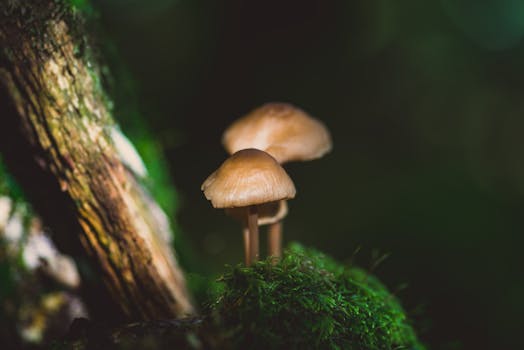
Incorporating the fascinating world of fungi into our understanding of nature and culinary arts enriches our appreciation of the biodiversity around us and the potential it holds. Whether it’s marveling at the intricate structure of a mushroom cap or savoring the depth of flavor they add to a dish, fungi offer a unique intersection of science, gastronomy, and cultural heritage.