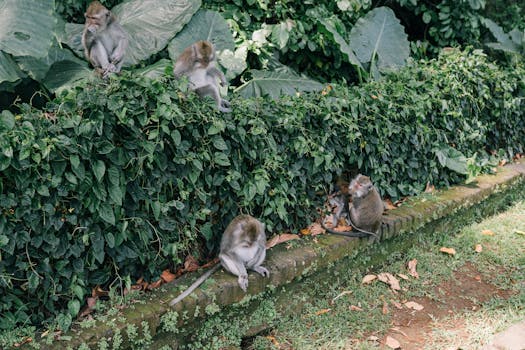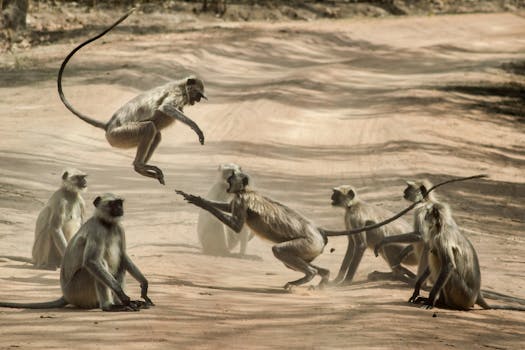
Monkeys are among the most recognized and fascinating creatures in the animal kingdom, known for their intelligence, agility, and diverse physical characteristics. With over 260 species identified across the globe, the world of monkeys is vast and varied, encompassing a multitude of behaviors, habitats, and evolutionary histories.
Table of Contents
What are the different types of monkeys?
Monkeys are broadly divided into two suborders: Strepsirrhini, which includes lemurs and lorises, and Haplorrhini, which is further split into tarsiers and simians. Simians are divided into the Platyrrhini (New World monkeys) and Catarrhini (Old World monkeys and apes). This categorization helps in understanding the wide range of monkey species that inhabit our planet.
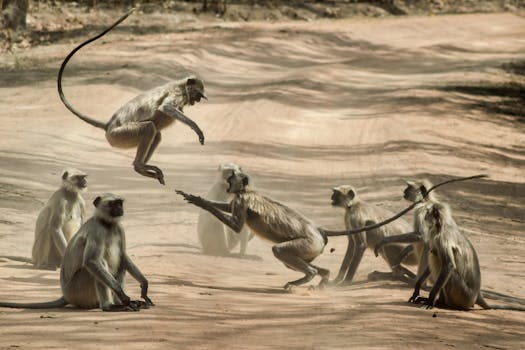
The New World monkeys, found in the Americas, are known for their prehensile tails which they use as an extra limb for climbing. These include the squirrel monkey, spider monkey, and howler monkey. Old World monkeys, located in Africa and Asia, have non-prehensile tails and include species such as the baboon, macaque, and the colobus monkey.
Furthermore, the suborder Haplorrhini includes the great apes, our closest relatives, which are often mistaken for monkeys due to their similar features. However, apes lack tails and have more advanced cognitive abilities.
How many types of monkeys are there?
The exact number of monkey species is subject to ongoing research and discovery. Recent estimates suggest there are over 260 species, with new species occasionally being discovered as scientists continue to explore remote habitats.
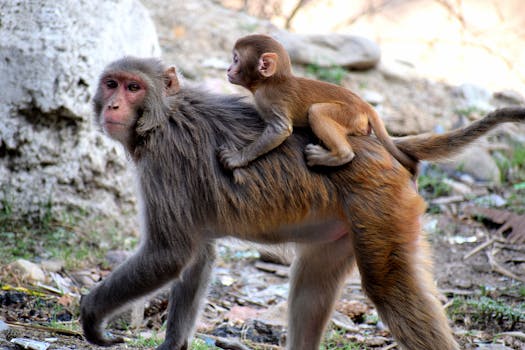
Each species of monkey has adapted to its specific environment. For example, some have evolved to live in the tree canopies of tropical rainforests, while others survive in mountainous regions or savannas.
Conservation efforts are crucial in protecting these diverse species, many of which are threatened by habitat destruction and poaching. Zoos and wildlife reserves play a significant role in these efforts, providing safe havens and breeding programs for endangered species.
What are the varieties of monkeys?
Monkeys can be categorized in various ways, including their size, diet, and the region they inhabit. Some well-known varieties of monkeys include the Capuchin, known for its intelligence and dexterity, and the Mandrill, recognized by its colorful face and rump.
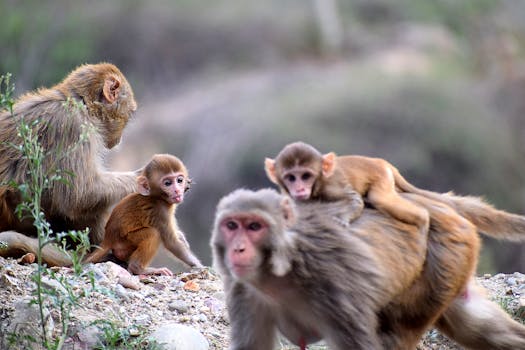
Other interesting varieties are the nocturnal owl monkeys, the exceedingly rare snub-nosed monkeys, and the golden lion tamarin, which is a symbol of conservation efforts due to its endangered status and the successful reintroduction into its native habitat.
Understanding the different varieties of monkeys is not only fascinating but also essential for their protection and the promotion of biodiversity.
What are the 5 primates?
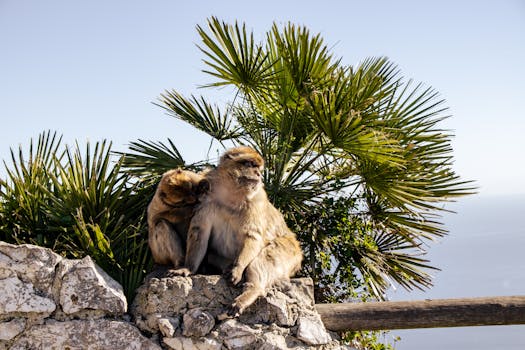
The term “primate” includes a wide array of species, not just monkeys. The five most well-known primate categories are: lemurs, lorises, tarsiers, monkeys, and apes. Each group has unique characteristics and evolutionary trajectories.
Lemurs are found primarily in Madagascar and are known for their reflective eyes and diverse range of sizes. Lorises, which inhabit Asia and Africa, have a slower, more deliberate form of locomotion. Tarsiers, with their large eyes and insectivorous diet, are amongst the smallest primates.
Monkeys, as discussed, are incredibly diverse and have a wide geographic distribution. Apes, which include gorillas, chimpanzees, and humans, show higher levels of intelligence and complex social structures.
What are the 4 great apes?
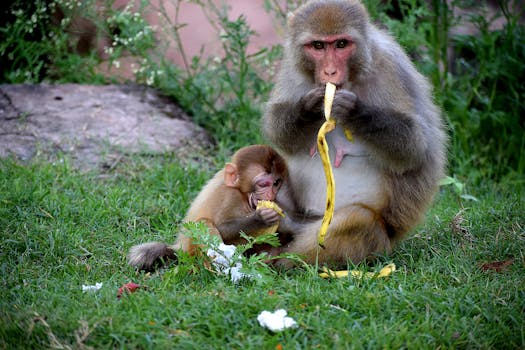
The four great apes are chimpanzees, gorillas, orangutans, and bonobos. These species are known for their intelligence, social behaviors, and, unfortunately, their status as endangered species.
Gorillas, the largest of the great apes, live in family groups led by a silverback. Orangutans are primarily solitary and spend much of their life in the trees of Southeast Asian rainforests. Chimpanzees and bonobos are more sociable and share a significant amount of their DNA with humans.
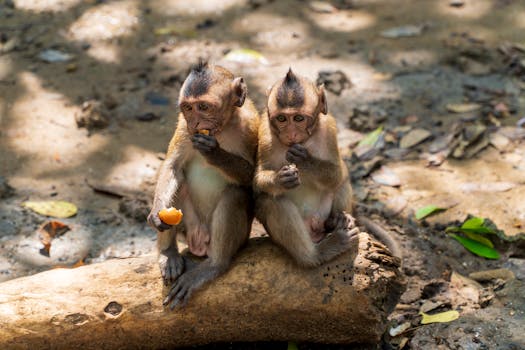
Great apes are crucial for the ecosystems they inhabit and for our understanding of primate evolution and behavior. Their protection is a matter of global concern and ethical responsibility.
20 names of monkeys
From small to large, arboreal to terrestrial, the names of monkey species are as varied as their habitats:
- Common Marmoset
- Golden Lion Tamarin
- Pygmy Marmoset
- Capuchin Monkey
- Spider Monkey
- Squirrel Monkey
- Rhesus Macaque
- Japanese Macaque
- Baboon
- Gelada
- Proboscis Monkey
- Drill
- Mandrill
- Colobus Monkey
- De Brazza’s Monkey
- Snub-Nosed Monkey
- Howler Monkey
- Tamarin
- Guenon
- Douc Langur
Types of small monkeys
Small monkeys often exhibit fascinating behaviors and adaptations. For instance, the pygmy marmoset is the smallest monkey in the world and can fit in a human’s hand. Tamarins, another small species, are known for their expressive faces and acrobatic agility.

Small monkeys play important roles in their ecosystems, often as pollinators or seed dispersers. Despite their size, they require large territories to thrive, pushing the importance of conserving their habitats to ensure their survival.
As they are often targeted in the illegal pet trade, understanding and respecting their role in the wild is critical for their conservation.
Types of large monkeys
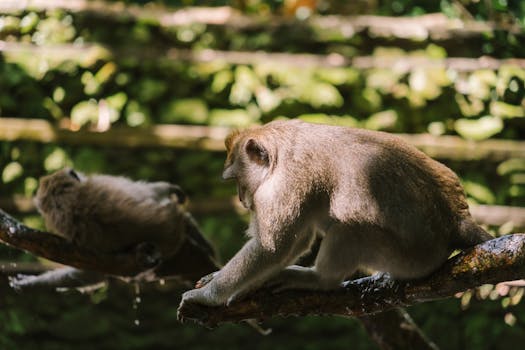
Among the large monkeys, the baboon is one of the most recognized, known for its impressive size, strength, and social complexity. Mandrills, the world’s largest monkeys, are noted for their striking coloration and dramatic facial features.
Large monkeys such as these often require extensive habitats to support their social structures and food needs. Their presence is indicative of the health of their ecosystems, making their conservation a significant indicator of environmental well-being.
Ensuring adequate protection and sustainable habitats for large monkey species is a challenging yet vital aspect of primate conservation efforts.
Related questions about monkey species and their traits
How many types of monkeys are there?
The total number of monkey species is estimated to be over 260. This number continues to grow as new species are discovered and as taxonomists refine classification systems based on genetic research.
Each species offers unique insights into primate evolution, adaptation, and behavior, contributing to the rich tapestry of biodiversity on our planet.
What are the varieties of monkeys?
Monkey varieties can be classified by factors such as size, diet, habitat, and social structure. From the solitary orangutans to the highly social spider monkeys, each type has adapted to thrive in its particular environment.
These varieties showcase the adaptability and diversity of primates, reminding us of the complexity of the natural world.
What are the 5 primates?
The five broad categories of primates are lemurs, lorises, tarsiers, monkeys, and apes. Each group holds a distinctive place in the primate family tree, with unique adaptations and evolutionary histories.
These categories highlight the evolutionary journey of primates, leading from small, nocturnal creatures to the highly intelligent and social beings we are familiar with today.
What are the 4 great apes?
The four great apes are notable for their cognitive abilities and complex social interactions. They are deeply interconnected with human ancestry, offering invaluable perspectives on behavior, intelligence, and conservation.
Their protection is essential as they face threats from habitat loss, hunting, and disease, making conservation efforts for these species a priority for maintaining global biodiversity.
In conclusion, understanding the types of monkeys and their unique characteristics is fundamental to appreciating the diversity of life on Earth. From the smallest marmoset to the largest mandrill, each species plays a crucial role in the balance of their respective ecosystems. As we continue to study these remarkable creatures, it is imperative that we engage in conservation efforts to protect them for future generations to marvel at and learn from.