
Nuts are a powerful component of a healthy diet, packed with a wealth of nutrients and flavors. From the creamy texture of macadamia nuts to the distinct shape of Brazil nuts, the world of nuts offers a vast palette for our taste buds and an array of health benefits. Whether you’re looking for a heart-healthy snack or a new ingredient to spice up your meals, understanding the different tipos de nueces is the first step towards a more nutritious lifestyle.
Table of Contents
How many types of nuts are there?
When exploring the question of how many nut varieties exist, the answer can be quite surprising. There is a wide range of nuts available, each with its own unique nutritional profile and culinary applications. From the commonly consumed peanut to the luxurious macadamia, the diversity of nuts is extensive and fascinating.
Each variety brings its own set of benefits and flavors to the table, making it essential for anyone interested in nutrition or cooking to familiarize themselves with these delightful treats. Below, we’ll delve into the details of some of the most popular and nutritious nuts.

It’s worth noting that while there are countless nut types, they can be categorized by their distinctive characteristics such as size, taste, and health benefits, which we will explore in the following sections.
Let yourself be captivated by 5 varieties of nuts
- Almonds: Rich in vitamin E and magnesium, almonds are great for skin health and energy production.
- Walnuts: Known for their omega-3 content, walnuts support brain health and reduce inflammation.
- Pecans: Pecans are not only delicious but also packed with antioxidants that help fight disease.
- Macadamia nuts: These contain monounsaturated fats, promoting heart health and weight management.
- Brazil nuts: A top source of selenium, Brazil nuts are excellent for thyroid health and immunity.
Boost your health with different types of nuts
Nuts are more than just a tasty snack—they’re also a powerhouse of nutrients that can significantly improve your health. The health benefits of nuts are widely recognized, from their ability to lower cholesterol to their role in weight management and diabetes prevention.

For instance, the monounsaturated and polyunsaturated fats found in nuts are essential fats that your body needs for various functions. Additionally, nuts are a rich source of fiber, which aids in digestion and satiety, helping to prevent overeating.
Including a variety of nuts in your diet ensures that you gain the full spectrum of their health benefits, which include enhanced brain function, better heart health, and increased longevity. Remember to enjoy them in moderation, as nuts are high in calories.

Why you should know the types of nuts?
Understanding the different tipos de nueces is crucial for anyone looking to make informed choices about their eating habits. Each type of nut brings its own set of nutrients and health benefits. For instance, walnuts are known for their high omega-3 content, which is essential for brain health, while almonds are a good source of calcium and vitamin E.

Nuts are also incredibly versatile in cooking, adding flavor, texture, and nutritional value to a variety of dishes. From adding crunch to salads to enhancing baked goods, nuts can transform a simple recipe into something extraordinary.
Moreover, knowing which nuts suit your dietary preferences and health requirements can help you make better snack choices. With such variety, there’s a nut out there that will meet everyone’s taste and health goals.

Daily consumption recommendations
When it comes to incorporating nuts into your diet, moderation is key. While nuts are nutritious, they are also high in calories, so it’s important to adhere to recommended serving sizes.
As a general guideline, a handful of nuts (approximately 1 ounce or 28 grams) is considered an appropriate serving size. This amount ensures that you can enjoy the health benefits of nuts without consuming too many calories.

It’s also advisable to opt for unsalted, raw, or dry-roasted varieties to avoid excess sodium and added oils. Including nuts as part of a balanced diet can lead to better health outcomes and provide a satisfying, nutrient-dense snack.
Nut properties you should know
Nuts are nutritional powerhouses, offering a range of properties that can boost your health. They are an excellent source of essential fatty acids, which are critical for maintaining healthy cell membranes and producing hormones.
They also contain a wealth of vitamins and minerals, including B vitamins, vitamin E, potassium, and magnesium. Their antioxidant content helps in combating oxidative stress, which is linked to various chronic diseases.

Furthermore, nuts have a low glycemic index, making them a suitable snack for those managing blood sugar levels. With their combination of healthy fats, protein, and fiber, nuts are a smart choice for anyone looking to improve their dietary habits.
Related questions about the types and benefits of nuts
How many types of nuts are there?
The exact number of nut types can be difficult to pinpoint due to the various species and cultivars around the world. However, there are dozens of commonly recognized nuts, each with their own distinct flavor, nutritional content, and culinary use.

As we explore the world of nuts, it becomes apparent that the diversity is vast, ranging from the nuts we encounter daily in grocery stores to the exotic varieties found in specialized markets. This abundance provides a rich tapestry for culinary exploration and nutrition optimization.
What type of nut is the best?
Determining the “best” type of nut is subjective, as it depends on individual health goals, dietary restrictions, and personal preferences. Some may favor almonds for their vitamin E content, while others might prefer walnuts for their omega-3 fatty acids.

Ultimately, the best approach is to consume a variety of nuts to ensure a well-rounded intake of nutrients. This way, you can enjoy the distinct tastes and health benefits that each type of nut has to offer.
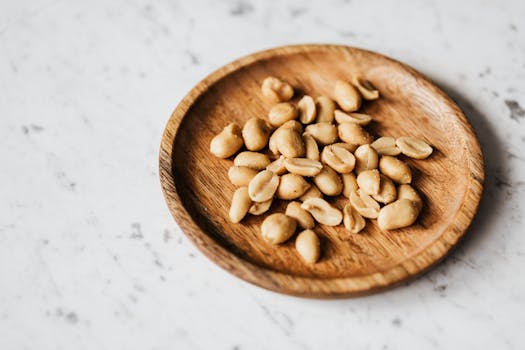
What are the names of the types of nuts?
The names of different types of nuts include almonds, walnuts, pecans, macadamia nuts, Brazil nuts, pistachios, hazelnuts, cashews, and many more. Each of these nuts has a unique set of characteristics, making them distinct in their own right.
Learning the names of these nuts is the first step in appreciating their diversity and incorporating them into your diet for both health and pleasure.

How many types of nuts do we have?
While it’s challenging to determine an exact number, there are certainly dozens of types of nuts available worldwide. Some are widely known and consumed, while others are more regional or exotic in nature.
The breadth of nut types we have access to allows for a rich selection that can cater to a variety of dietary needs and culinary adventures.

Remember, nuts are not just a snack; they are a vital part of a healthy diet. By understanding and incorporating different tipos de nueces into your meals, you can enjoy the rich flavors and health benefits they offer.