The majestic and versatile palm tree is an iconic symbol of tropical beauty, offering an array of types and varieties that captivate garden enthusiasts worldwide. From the sweeping heights of the Cocos nucifera, commonly known as the coconut palm, to the compact and resilient Chamaerops humilis, the world of palms is as diverse as it is enchanting. Whether you’re looking to enhance your garden with an ornamental centerpiece or seeking indoor plants to bring a touch of the tropics into your home, understanding the different types of palms is key to successful palm tree gardening.
Table of Contents
Characteristics of different types of palms
Palms are a distinctive group of plants with specific characteristics that set them apart from other tree species. They typically feature a single, unbranched stem topped with a crown of large, fan-shaped or feather-like leaves. The roots of palms are fibrous, often forming dense networks that provide stability and nutrient absorption. Many types of palms also produce fruit, such as dates from the Phoenix dactylifera or coconuts from the Cocos nucifera.
Their growth habits can vary significantly; some palms, like the towering Royal Palm (Roystonea regia), can reach impressive heights, while others, such as the Pygmy Date Palm (Phoenix roebelenii), are more suited to small garden spaces or indoor environments. The resilience of palms also differs, with species like the Sabal minor being particularly cold-resistant.

One of the most fascinating aspects of palms is their adaptability. While typically associated with tropical climates, many species have evolved to thrive in various environmental conditions. This adaptability makes them a popular choice for gardeners around the world, looking to add a touch of the exotic to their landscaping endeavors.
Best types of palms for gardens and outdoor spaces
When selecting types of palms for gardens and outdoor spaces, it’s important to consider the climate, soil type, and available space. Tropical and subtropical species, such as the Areca Palm (Dypsis lutescens) and the Majesty Palm (Ravenea rivularis), are ideal for warmer climates. However, for cooler regions, gardeners should opt for cold-resistant palm species like the Windmill Palm (Trachycarpus fortunei).
For those with limited space, dwarf palms like the European Fan Palm (Chamaerops humilis) can offer an ornamental charm without overwhelming the garden. In contrast, larger palms, such as the Mexican Fan Palm (Washingtonia robusta), make dramatic statements in spacious landscapes.

It’s also worth considering the maintenance needs of different palms. While some may require regular pruning and fertilization, others are more low-maintenance, making them suitable for gardeners of all experience levels.
Moreover, palms can serve various functions in an outdoor space. Some, like the Date Palm, provide not only aesthetic appeal but also edible fruit, while others, such as the Pindo Palm (Butia capitata), can serve as natural windbreaks or privacy screens.
Popular cold-resistant palms
For gardeners living in cooler climates, finding cold-resistant palms is essential. Species like the Sabal minor, also known as the Dwarf Palmetto, can withstand temperatures below freezing, making it a hardy option for temperate gardens. The European Fan Palm (Chamaerops humilis), with its compact size and tolerance to cold, is also a popular choice.

Another noteworthy species is the Chinese Fan Palm (Livistona chinensis), which can endure short periods of cold and adds an elegant touch to the garden. The Saw Palmetto (Serenoa repens) is not only cold-tolerant but also drought-resistant, ideal for xeriscaping or low-water landscapes.
Selecting the right species and providing proper care during colder months can lead to successful cultivation of palms even in regions with cooler winters. Gardeners often employ protective measures such as mulching, wrapping, or using windbreaks to shield their palm trees from harsh temperatures and frost.
Caring for various types of palms
Proper care is essential for the health and longevity of palm trees. Most palms prefer well-draining soil and a location that receives ample sunlight, although some can tolerate partial shade. Regular watering is crucial, especially for young palms, but be careful not to overwater, as this can lead to root rot.

Fertilization is another important aspect of palm care. Using a specialized palm fertilizer with the right balance of nutrients, including nitrogen, phosphorus, and potassium, can promote healthy growth and prevent nutrient deficiencies. Pruning is generally limited to removing dead or yellowing fronds, as excessive pruning can harm the tree.
For indoor palms, maintaining the right humidity level and providing bright, indirect light are key factors. It’s also important to be mindful of pests, such as spider mites or scale insects, which can infest indoor palms if not properly managed.
Types of indoor palms available
Indoor palm types are a wonderful way to bring a tropical flair to your home or office space. The Parlor Palm (Chamaedorea elegans) is a popular choice due to its low light tolerance and compact size. Similarly, the Areca Palm (Dypsis lutescens) is prized for its air-purifying qualities and feathery fronds.
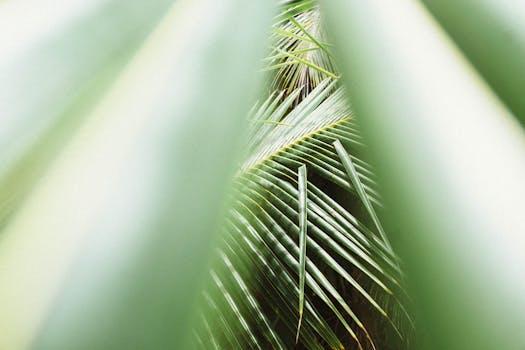
- The Kentia Palm (Howea forsteriana) stands out for its elegant, arching leaves and relative ease of care.
- The Lady Palm (Rhapis excelsa) can adapt to varying light conditions and has a dense, bushy appearance.
- For a more dramatic effect, the Majesty Palm (Ravenea rivularis) provides a lush, tropical look, although it requires more light and consistent moisture.
Differences between large and dwarf palms
The primary difference between large and dwarf palms lies in their size and growth habits. Large palms, like the Queen Palm (Syagrus romanzoffiana), can grow to impressive heights and require ample space to accommodate their spread. These towering varieties make a bold statement in the landscape and can provide shade, structure, and visual interest.
In contrast, dwarf palms, such as the Sago Palm (Cycas revoluta), are more contained, with slower growth rates and smaller overall dimensions. These pint-sized palms are well-suited to smaller gardens, patios, or as indoor specimens. Despite their diminutive stature, dwarf palms still offer the same exotic allure as their larger counterparts, with the added benefit of being easier to manage and maintain.
Choosing between large and dwarf palms ultimately depends on the intended use and available space. Both types can contribute significantly to the aesthetic and ecological value of a garden or indoor setting.

Palms suitable for home interiors
When it comes to enhancing home interiors with greenery, certain palms stand out for their adaptability and ornamental appeal. The Bamboo Palm (Chamaedorea seifrizii) is a top choice for indoor environments, thanks to its tolerance of low light and ability to filter indoor air pollutants.
The Cascade Palm (Chamaedorea cataractarum), with its cascading fronds, is another variety that thrives indoors, especially in well-lit bathrooms where humidity levels mimic its native jungle habitat. Additionally, the Ponytail Palm (Beaucarnea recurvata) is not a true palm but offers a palm-like appearance with minimal care requirements, making it a favorite among busy homeowners.

When incorporating palms into your interior design, it’s essential to consider the size of the plant at maturity, its light and water needs, and the overall aesthetic you wish to achieve. With thoughtful selection and proper care, palms can be a stunning and lasting addition to any indoor space.