Pine trees are among the most iconic and diverse plant species, known for their evergreen foliage and unique cone-bearing characteristics. These majestic trees are not only central to forest ecosystems but also serve as beautiful additions to gardens and landscapes. Understanding the types of pines and their specific requirements is essential for anyone looking to incorporate these conifers into their outdoor spaces.
Table of Contents
- What are the different types of pines?
- How to identify various pine species?
- What are the best pine types for gardens?
- Which pines are suitable for urban environments?
- What types of pines are used for Christmas trees?
- How do pines adapt to different climates?
- Related questions about pine tree varieties and their characteristics
What are the different types of pines?
Pine trees, classified under the genus Pinus, boast over a hundred species, each having distinct traits. Types of pines for landscaping include the graceful Pinus strobus, commonly known as the Eastern white pine, and the stout Pinus nigra, or Austrian pine, popular for their adaptability and visual appeal in gardens.
The Pinus canariensis, or Canary Island pine, and the Pinus halepensis, known as the Aleppo pine, offer a touch of exotic flair with their unique forms and resilience against harsh conditions. Meanwhile, the Stone pine, or Pinus pinea, is celebrated not only for its distinctive umbrella-shaped canopy but also for its edible seeds.
For those seeking evergreens for compact spaces, the dwarf varieties present an attractive option. These miniature pines, often used in types of pines for terraces, maintain a small stature, perfect for container gardening and small garden landscapes.
How to identify various pine species?
Identification of pine species can be a fascinating endeavor, as each pine comes with its own set of identifying characteristics. The needles of a pine tree are a telltale feature, varying in length, number per bundle, and color. For instance, the Eastern white pine displays soft, flexible needles in groups of five, a unique trait among its kind.

The bark of pine trees provides another clue, with textures ranging from smooth and thin in younger trees to deeply fissured in older specimens. Additionally, the shape and size of pine cones can aid in pine tree identification, as they are as varied as the species themselves, from the petite cones of the mugo pine to the large, elongated ones of the sugar pine.
Observing the overall shape and size of the tree also helps in identification. Some pines, like the longleaf pine, grow impressively tall, while others, such as the mugo pine, remain low and shrub-like. These physical attributes point to the specific adaptations and habitats of the various pine species.

What are the best pine types for gardens?
When selecting types of pines in gardens, it’s crucial to consider the tree’s mature size, growth rate, and visual impact. The Japanese black pine, with its irregular shape and robust nature, makes an excellent focal point in garden design.
Care tips for pine trees are also essential when choosing a species. For example, the Scots pine is tolerant of poor soils and is relatively low-maintenance, making it a suitable choice for gardeners seeking a hardy yet attractive plant.
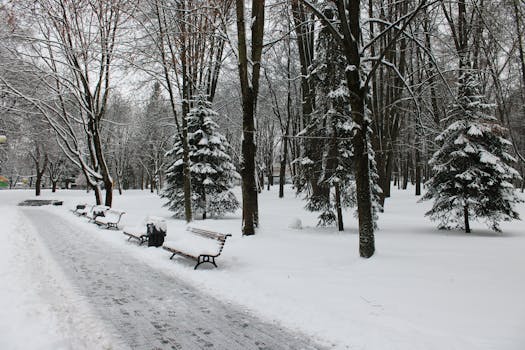
- Dwarf pines like the mugo pine are ideal for small gardens or as ground cover, providing greenery all year round.
- The Eastern white pine is prized for its soft, feathery foliage and can offer privacy when planted as a hedge.
- For those with larger landscapes, the ponderosa pine is valued for its towering height and classic pine appearance.
Which pines are suitable for urban environments?
Urban environments pose unique challenges for trees due to pollution, limited space, and poor soil conditions. However, certain pines are suitable for urban environments, thanks to their adaptability and tolerance to stress.
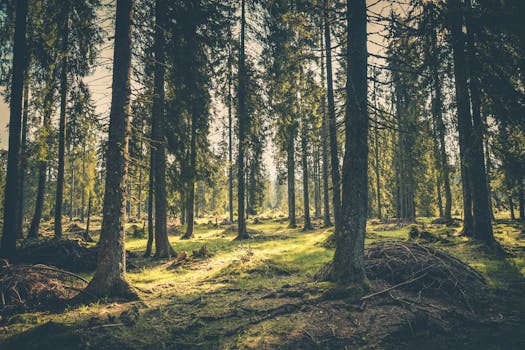
The Norway pine, with its resistance to salt and compact growth habit, is well-suited for city plantings. The Blue spruce, though not a true pine, is often included in urban landscaping for its striking blue needles and robust nature.
For those looking to add greenery to high-rise balconies or rooftop gardens, dwarf pines like the mugo pine or the Eastern white pine, pruned to maintain a smaller size, can thrive in containers, providing a touch of nature amidst the concrete jungle.
What types of pines are used for Christmas trees?
During the festive season, the types of pines used for Christmas trees come to the forefront. The classic choice is the Scotch pine, appreciated for its excellent needle retention and full, bushy shape.
The Fraser fir, another popular option, offers a pleasant scent and sturdy branches for hanging ornaments. For those preferring a softer touch, the Eastern white pine, with its long, delicate needles, provides a graceful option, though it may require lighter decorations.

How do pines adapt to different climates?
Pines are remarkable for their ability to adapt to different climates, ranging from the cold, mountainous regions where the bristlecone pine thrives, to the warm, arid zones ideal for the ponderosa pine.
Their adaptation strategies include variations in needle thickness, length, and color, which reflect the tree’s response to moisture availability, temperature, and sunlight intensity. Some pines, like the lodgepole pine, even possess fire-resistant properties, allowing them to regenerate in the aftermath of wildfires.

Forest conservation efforts often highlight the ecological significance of these adaptive traits, as they contribute to the resilience and sustainability of forest ecosystems across varying landscapes.
Related questions about pine tree varieties and their characteristics
How many types of pines exist and what are they?
There are over 100 different species of pine trees, each with distinctive features. Some well-known types include the Eastern white pine, sugar pine, Scots pine, and ponderosa pine.
These species display a wide range of physical attributes, from needle arrangements and bark textures to growth habits and cone shapes, making the Pinus genus one of the most diverse in the plant kingdom.

What is the best type of pine?
The “best” type of pine can vary based on the intended use and environment. For landscaping, the Scots pine and Japanese black pine are favored for their aesthetics and hardiness. For Christmas trees, the Scotch pine and Fraser fir are top choices due to their classic shapes and festive qualities.
In urban areas, the resilience of the Norway pine and the compact growth of the mugo pine make them ideal for city planting. Ultimately, the best pine is one that thrives in its given setting and meets the gardener’s needs.

What are the names of pine trees?
Pine trees are known by their scientific names within the Pinus genus and their common names, which often reflect their physical characteristics or native region. For example, Pinus sylvestris is widely known as the Scots pine, while Pinus strobus is called the Eastern white pine.
Other examples include the ponderosa pine (Pinus ponderosa), sugar pine (Pinus lambertiana), and the lodgepole pine (Pinus contorta).

What are the names of the tall pines?
Some of the tallest pine species include the sugar pine, which holds the title for the longest cones, and the ponderosa pine, renowned for its height and straight trunk.
The Eastern white pine is also among the tallest species in North America, while the longleaf pine is known for its impressive stature in the southeastern United States.

Incorporating pine trees into your garden, terrace, or urban environment not only adds aesthetic value but also contributes to biodiversity and ecological balance. By understanding the types of pines and their specific needs, gardeners and city planners alike can make informed decisions that result in healthy, thriving trees that enhance our landscapes and lives.