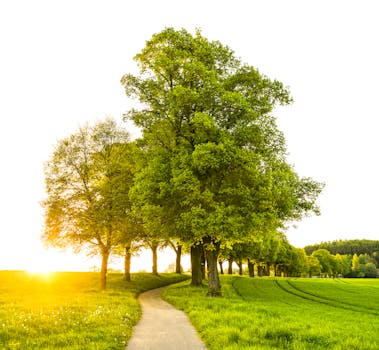
Trees play a fundamental role in the health and beauty of our planet. They serve as the lungs of the earth, converting carbon dioxide into oxygen through the process of photosynthesis. Beyond their ecological importance, trees add structure and aesthetics to our landscapes—whether it’s a majestic oak standing tall in a rural setting or a line of ornamental cherries beautifying an urban street.
Recognizing the diverse species that make up our global canopy is essential for both environmental conservation and landscape design. Let’s explore the various tipos de arboles and their unique characteristics.
Table of Contents
What are the different types of trees?
Trees are commonly categorized into different types based on their physical characteristics and adaptations. The most well-known types include deciduous, evergreen, fruit-bearing, and ornamental trees, each fulfilling a distinct role in nature.
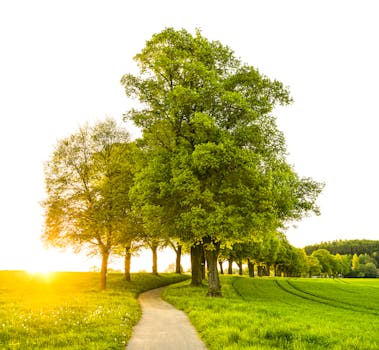
Deciduous trees are known for their seasonal leaf shedding, a survival strategy for colder climates. Evergreens, on the other hand, keep their foliage throughout the year, providing greenery even in the depths of winter. Fruit-bearing trees grace us with edible gifts, and ornamental varieties are chosen primarily for their aesthetic appeal.
Understanding these classifications allows us to better appreciate the diversity of trees and the necessity of protecting these magnificent organisms.
Characteristics of deciduous trees
Deciduous trees exhibit a unique adaptation by shedding their leaves annually. This not only conserves water during dry or cold seasons but also provides the soil with rich organic matter as the leaves decompose.

Some well-known deciduous trees are oaks, maples, and birches. They often feature vibrant fall colors as they prepare to lose their leaves. In landscaping, deciduous trees are valued for their shade in summer and sunlight permeability in winter.
These trees are crucial carbon sinks as they absorb a significant amount of carbon throughout their life cycle, helping to mitigate climate change.
Understanding evergreen trees
Unlike deciduous trees, evergreens maintain their leaves throughout the year, providing continuous photosynthesis and habitat for wildlife. This group includes types like pine, spruce, and fir, which are common in colder regions due to their needle-like leaves that minimize water loss.
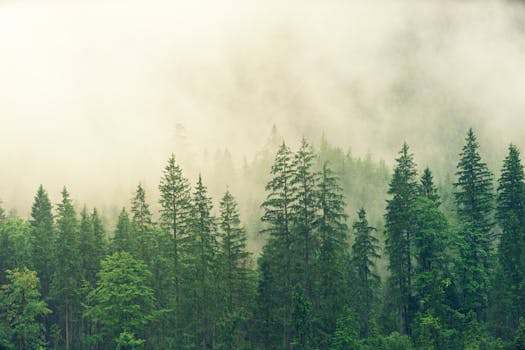
Evergreen trees are indispensable in urban forestry, offering year-round aesthetic appeal and acting as natural air filters in metropolitan areas.
The resilience and diversity of evergreen species make them vital for ecological balance, particularly in forest ecosystems where they contribute to biodiversity.
What are fruit-bearing trees?
From the sweet apple to the tangy lemon, fruit-bearing trees are both functional and delightful. These trees not only provide us with delicious fruits but also support pollinators and wildlife.
Common examples include the apple tree, cherry tree, and citrus varieties. In addition to their fruit production, they often act as ornamental features in gardens due to their blossoms and unique foliage.
The cultivation of fruit trees, or arboriculture, is an important agricultural industry, providing economic value alongside ecological benefits.
The importance of ornamental trees
Ornamental trees are selected for their visual appeal, which can include interesting bark textures, striking foliage, or showy flowers. Examples include the flowering cherry, Japanese maple, and magnolia.
These trees enhance types of trees for landscaping, creating focal points and adding character to gardens and parks. The impact of ornamental trees on urban landscapes is significant, improving mental well-being and community value.
Incorporating ornamental trees into city planning can contribute to ecosystem services like temperature regulation and aesthetic enhancement.
Common trees found in Mexico
Mexico boasts a rich variety of tree species due to its diverse climates and ecosystems. From the ancient Ginkgo to majestic conifers and broadleaf varieties like ficus, oak, and palm, each species contributes to the nation’s rich arboreal heritage.
The types of trees found in Spain also reflect similar diversity, with native species like the holm oak and the Spanish fir.

Community participation in preserving these trees is vital for maintaining Mexico’s and Spain’s unique landscapes and natural ecosystems.
10 types of trees you should know
- Maple
- Oak
- Pine
- Cherry
- Apple
- Birch
- Ficus
- Magnolia
- Palms
- Ginkgo
Whether for their shade, fruit, or decorative qualities, these trees are valuable both ecologically and aesthetically. Understanding their characteristics is key to their conservation and proper cultivation.
Related questions about tree types and classifications
What are the different types of trees and their meanings?
Each type of tree, from deciduous to evergreen, has its unique significance. Deciduous trees symbolize change and renewal, while evergreens represent enduring life. Fruit trees are often associated with fertility and abundance, and ornamental trees symbolize beauty and tranquility.
The meanings attached to trees can also be found in various cultures and mythologies, further enriching their significance in our lives.
What are the 5 great trees?
The “5 great trees” can refer to historically significant or particularly majestic tree species. Some candidates might include the oak, known for its strength; the sequoia, celebrated for its towering height; the olive, a symbol of peace; the banyan, with its impressive root system; and the baobab, known as the “tree of life.”

These trees have gained recognition for their extraordinary features and ecological importance.
Which trees grow fast and provide shade?
Fast-growing shade trees are a popular choice for quickly establishing comfort and protection from the sun. Species like the hybrid poplar, weeping willow, and sycamore are known for their rapid growth rates and expansive canopies.

These trees are often utilized in types of trees for landscaping due to their practicality and the immediate impact they offer.
What are the most well-known trees?
Some of the most well-known trees include species like the types of trees with flowers such as the cherry blossom, iconic for its springtime bloom, and the baobab, easily recognizable by its bulbous trunk. The redwood is famous for its immense size, and the apple tree is known worldwide for its fruit.
These trees have become symbols in their own right, representing natural beauty, strength, and sustenance.

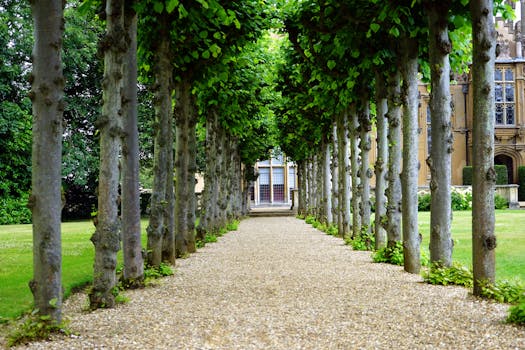
To bring these descriptions to life, let’s take a look at some visual examples:
As we continue to explore the tipos de arboles, understanding their roles and characteristics is fundamental for fostering environmental stewardship and ensuring a greener future for the next generations.