Vegetales, or vegetables in English, are a cornerstone of healthy eating and culinary traditions worldwide. From the crisp crunch of a fresh carrot to the hearty substance of a baked potato, vegetales provide us with essential nutrients and are versatile in the kitchen. In this exploration of these natural wonders, we dive into the varieties, cultural significance, and cooking practices that make vegetales an integral part of our diets.
Table of Contents
- What are vegetales?
- How do vegetales differ from verduras?
- What are some popular vegetales in Latin cuisine?
- How to pronounce vegetales correctly?
- What is the cultural significance of vegetales in Spanish-speaking countries?
- How to cook with vegetales?
- Related questions about vegetales and their role in cuisine
What are vegetales?
Vegetales are the edible parts of plants that are consumed by humans as part of a meal. They can include roots, stems, leaves, flowers, and fruits, depending on the specific type of plant. Rich in vitamins, minerals, and fiber, vegetales are known for their health benefits and are a key component of a balanced diet.
Despite the common use of the term, there is often confusion when it comes to differentiating between vegetales and similar terms such as verduras or hortalizas. However, vegetales can be considered a broader category that encompasses a wider range of plant-based foods.
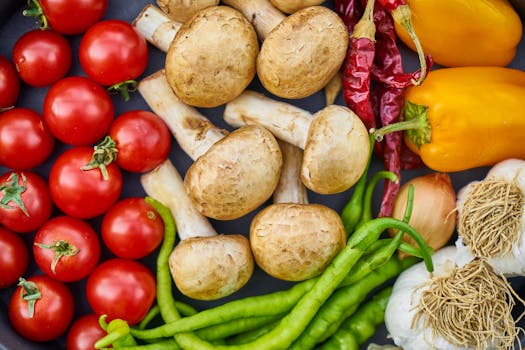
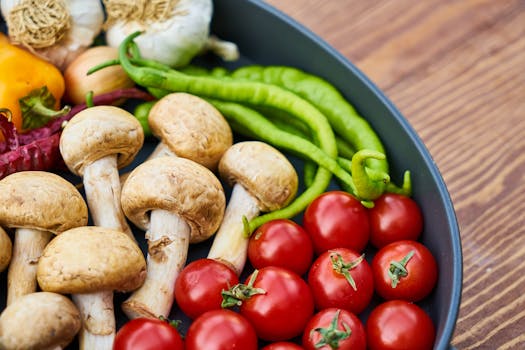
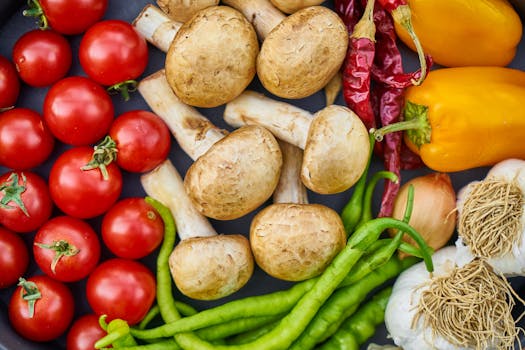
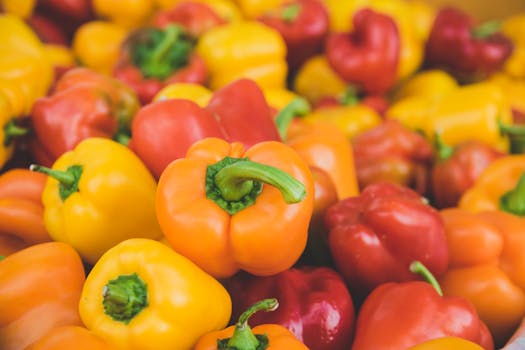
Vegetales are not only nutritious but also incredibly diverse. They vary in shape, color, flavor, and texture, offering an array of options for culinary creativity. From the comfort of mashed potatoes to the zest of bell peppers, vegetales can transform any meal into a vibrant, healthful experience.
How do vegetales differ from verduras?
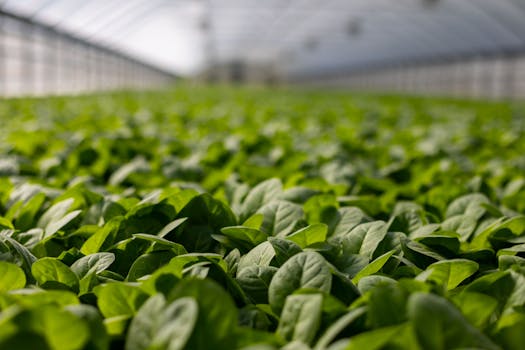
The distinction between vegetales and verduras is subtle yet significant, particularly in Spanish-speaking countries. While vegetales is an overarching term that includes all plant life, verduras specifically refer to leafy greens and other herbaceous edible plants typically used in salads or cooked dishes.
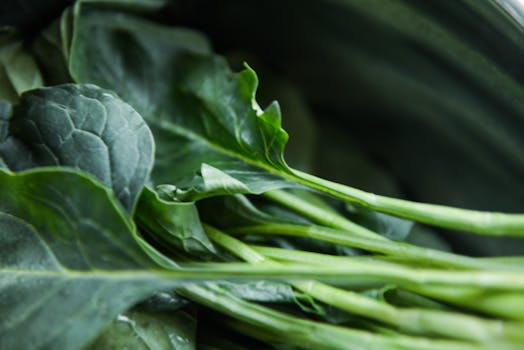
Understanding the differences between vegetales and verduras is crucial for navigating menus, recipes, and marketplaces in Spanish-speaking regions. It allows for precise communication and ensures that you’re selecting the right ingredients for your culinary endeavors.
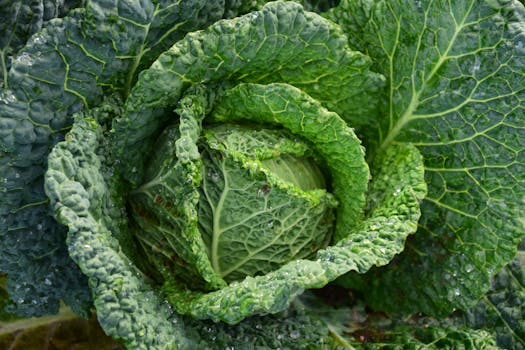
Verduras are a subset of vegetales, much like squares are a subset of rectangles in geometry. While all verduras are vegetales, not all vegetales are verduras. This distinction is pivotal when discussing dietary preferences or cooking traditional recipes that require specific plant parts.
What are some popular vegetales in Latin cuisine?
- Tomatoes – Used in salsas, sauces, and salads
- Chilies – Provide heat and flavor to a myriad of dishes
- Avocados – A creamy addition to salads and the main ingredient in guacamole
- Corn – The base for tortillas, tamales, and many other staples
- Beans – A protein-rich component in soups, stews, and as a side
Latin cuisine is known for its vibrant flavors and use of fresh vegetales. Whether it’s the smoky spice of roasted peppers or the juicy sweetness of ripe tomatoes, these ingredients are fundamental in creating the rich, diverse profiles characteristic of Latin dishes.
How to pronounce vegetales correctly?
Pronouncing vegetales correctly is important for clear communication, especially when dining or shopping in Spanish-speaking areas. The word is pronounced as “veh-heh-tah-les,” with a soft ‘g’ sound similar to an English ‘h’. Emphasizing the correct pronunciation can also show respect for the language and its nuances.
Practicing the pronunciation of vegetales with native speakers or using language learning tools can help ensure you’re understood when discussing these nutritious foods. Additionally, getting the pronunciation right can enhance your confidence when ordering food or conversing about dietary preferences.
What is the cultural significance of vegetales in Spanish-speaking countries?
In many Spanish-speaking countries, vegetales hold a deep cultural significance that goes beyond their role as food. They are often integral to traditional festivities, family gatherings, and regional culinary identities. For instance, certain vegetales are associated with specific holidays and are used in time-honored recipes passed down through generations.
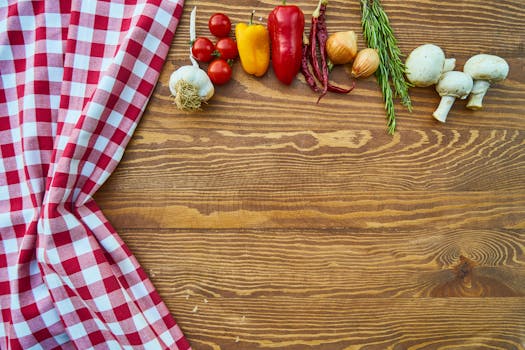
The cultivation of vegetales is also tied to historical agricultural practices, with family-run huertos (gardens) and larger-scale jardines (farms) showcasing the rich agricultural heritage. These practices contribute to a sense of community and sustainability, with local markets offering a bounty of fresh vegetales that reflect the season and region.
Moreover, the culinary techniques and dishes developed around vegetales are a point of pride and a means of cultural expression. Cooking with vegetales is not just about nourishment; it’s a way to honor traditions and celebrate the rich tapestry of flavors and textures they bring to the table.
How to cook with vegetales?
Cooking with vegetales can be as simple or as elaborate as you desire. The key is to start with fresh, high-quality ingredients and to use methods that best enhance their natural flavors. Sautéing, roasting, grilling, and steaming are just a few techniques that can bring out the best in vegetales.
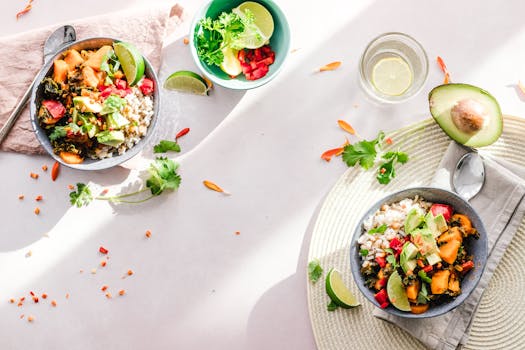
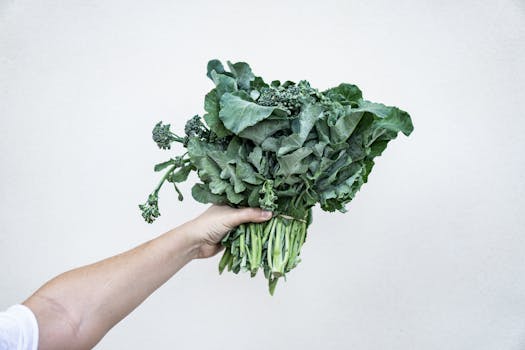
When preparing vegetales, consider the cooking times and methods that will preserve their color, texture, and nutrients. For example, lightly steaming broccoli retains its vibrant green hue and crunch, while slow-roasting tomatoes can concentrate their sweetness and deepen their flavor.
Experimenting with herbs, spices, and dressings can also elevate your vegetales to new heights. A drizzle of olive oil, a splash of vinegar, or a pinch of sea salt can transform a simple vegetable dish into a memorable culinary experience.
Related questions about vegetales and their role in cuisine
Is it vegetales or verduras?
The choice between using the term vegetales or verduras depends on the context and specificity required. If referring to plant-based foods in general, vegetales is the appropriate term. However, if one specifically means leafy greens and related edible plants, verduras is more accurate.
Understanding the nuances between these terms can be particularly important in culinary contexts where the precise type of plant-based ingredient is crucial to the dish’s outcome. It’s a distinction that highlights the richness and specificity of Spanish vegetable terminology.
What are the 20 names of vegetables?
While there are countless varieties of vegetales worldwide, here are 20 common names of vegetables that often feature in diverse cuisines: carrots, tomatoes, bell peppers, cucumbers, lettuce, spinach, broccoli, cauliflower, onions, garlic, potatoes, sweet potatoes, zucchini, eggplants, green beans, peas, corn, kale, mushrooms, and celery.
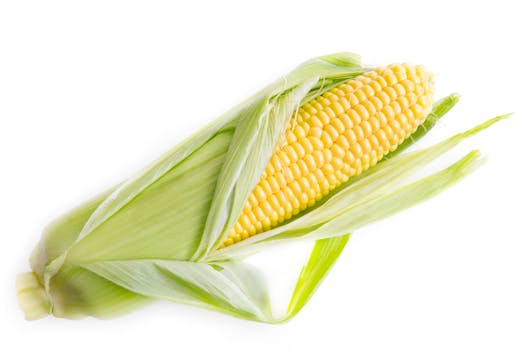
These vegetales offer a range of flavors, textures, and nutrients, each contributing uniquely to both traditional and modern dishes. From the earthy depth of mushrooms to the refreshing crunch of cucumbers, these vegetales are essential in kitchens around the globe.
What do Mexicans call vegetables?
In Mexico, vegetables are commonly referred to as vegetales or verduras. The term used often corresponds with the type of vegetable being discussed. More specific or colloquial terms may also exist for certain vegetables, reflecting regional dialects and traditions within the country.
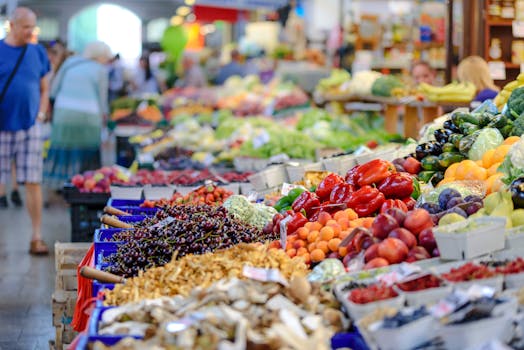
For instance, “chile” for various types of peppers or “calabaza” for squash are examples of specific names used for vegetales in Mexico. These terms are part of the rich culinary lexicon that shapes the country’s food culture.

What is verdura?
Verdura refers to the category of vegetables that are typically green, leafy, and often eaten raw, such as lettuce and spinach. It can also include other edible plants like carrots and asparagus, which are consumed in salads or cooked. The term verdura is essential in distinguishing these types of vegetables from the broader category of vegetales.
Understanding what constitutes verdura can be particularly useful when shopping for ingredients or following recipes that call for specific types of vegetables. It ensures that the desired flavor, texture, and nutritional profile of a dish are achieved.