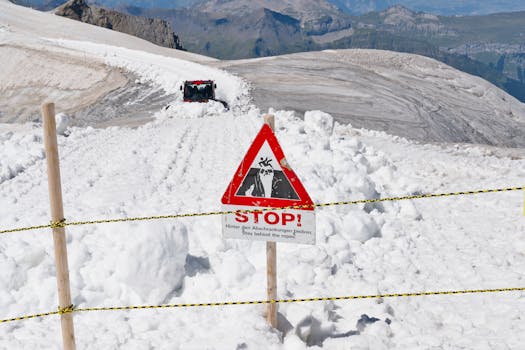
An avalancha is not just a thunderous cascade of snow down a mountain; it’s a term rich in meaning and cultural significance. In the Spanish language, this powerful word evokes images of nature’s formidable forces and serves as a metaphor for a sudden influx of anything in overwhelming quantities. Let’s delve into the depths of avalancha and explore its varied uses and nuances.
From everyday conversations to the evocative lyrics of a rock song, the word avalancha finds its place, demonstrating its versatility and impact. Understanding this term is not only crucial for those interested in Spanish linguistics but also for anyone who appreciates the intricate ways language shapes our interpretation of the world.
Table of Contents
- What is the meaning of avalancha?
- How is avalancha different from alud?
- What are the uses of avalancha in everyday language?
- What are some examples of avalancha in figurative contexts?
- What is the song avalancha by Steve Vai about?
- How does avalancha relate to other Spanish terms?
- What are the pronunciation tips for avalancha?
- Related questions about the term avalancha
What is the meaning of avalancha?
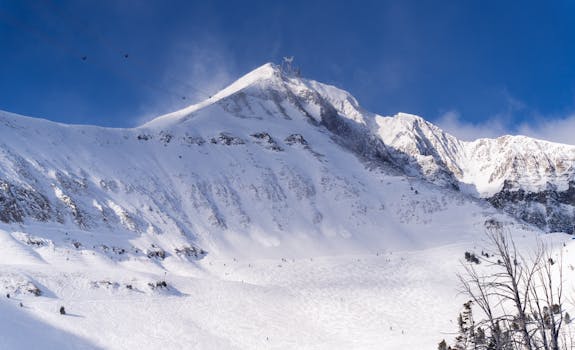
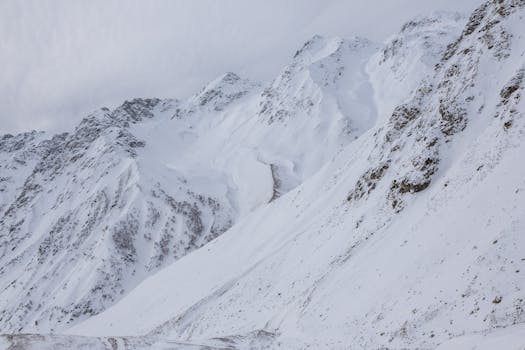
The term avalancha primarily describes a natural phenomenon we know as an avalanche. It refers to the rapid descent of a large mass of snow, ice, and possibly rock down a mountainside. However, its usage extends beyond the literal, often employed in various contexts to express a sudden and overwhelming force or quantity of anything.
In Spanish-speaking countries, the word captures the essence of being engulfed by a flood of emotions, events, or even people. It is not uncommon to hear it in the context of social or political movements, where a wave of change is sweeping across the landscape, metaphorically speaking.
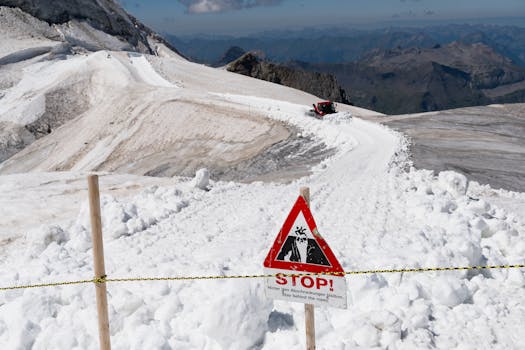
Language learners and native speakers alike appreciate the word for its figurative elegance. It conveys the intensity and volume of a situation with clarity and power, making it a favorite among poets and writers aiming to evoke strong imagery.
How is avalancha different from alud?
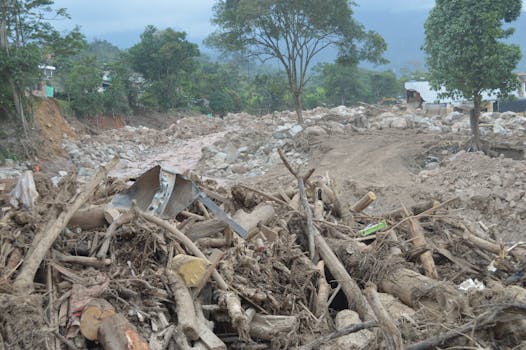
Although avalancha and alud are sometimes used interchangeably in Spanish, they have distinct meanings. An alud can refer to various types of mass movements, such as landslides, mudslides, or rockfalls. This broader term encompasses many natural disasters that involve the earth moving suddenly and violently.
The specificity of avalancha to snow-laden descents gives it a unique place in the lexicon of Spanish. When differentiating between the two, one should consider the nature of the event they are describing to choose the most accurate term.
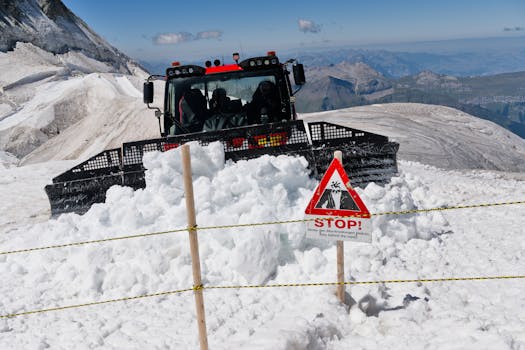
Understanding the nuances between alud and avalancha is crucial for accurate communication, especially in regions where these natural occurrences are common. It ensures that listeners or readers fully grasp the scope and nature of the event being discussed.
What are the uses of avalancha in everyday language?
The versatility of avalancha is evident in its frequent usage across various contexts. In everyday language, it’s often used to describe any situation where there is an overwhelming number or amount of something.
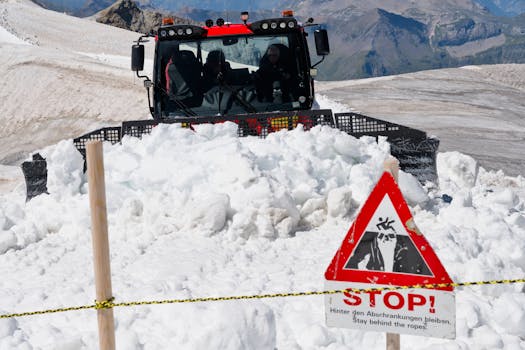
For instance, one might speak of an avalancha de trabajo when referring to a sudden increase in workload that seems as insurmountable as a mountain of snow. Similarly, an event that attracts a vast number of people could be described as an avalancha de fans.
This expressive term captures the essence of being inundated, whether by physical objects, tasks, or emotions. It’s a word that vividly portrays the experience of being overwhelmed, making it a poignant choice in various scenarios.
What are some examples of avalancha in figurative contexts?
Figuratively, an avalancha can signify a deluge of anything from information to human emotions. For instance, in the digital age, one might complain about an avalancha de correos electrónicos, highlighting the relentless flood of emails that many people face daily.
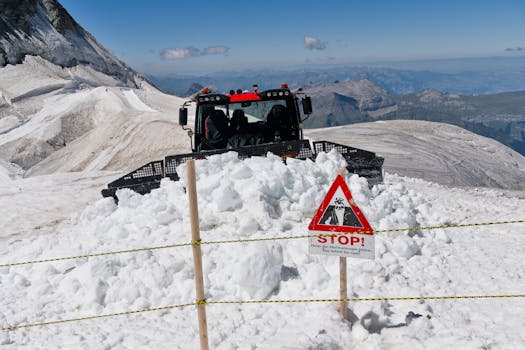
In a more emotional context, an individual might describe experiencing an avalancha de sentimientos when confronted with a situation that elicits a strong and sudden surge of feelings. It’s these figurative uses that showcase the word’s poetic potential and its power to communicate the intensity of human experiences.
The word can also be employed to convey the magnitude of social or political events, such as an avalancha de protestas, indicating a wave of demonstrations sweeping across a city or country. Its usage in these contexts is a testament to its ability to articulate collective experiences that impact society.
What is the song avalancha by Steve Vai about?
Steve Vai’s song Avalancha from his 2022 album Inviolate is a tour de force in the world of rock music. The track showcases Vai’s renowned guitar skills, blending complex riffs with his signature expressive style. The song is instrumental, allowing the guitar to speak volumes without the need for words.
As part of Steve Vai’s impressive discography, Avalancha adds to his legacy as a guitar virtuoso. His ability to evoke emotion and narrative through instrumental music is evident in this powerful track, which can be interpreted in many ways due to its lack of lyrics.
Fans of Vai’s work, particularly his landmark album Passion and Warfare, will find familiar ground in Avalancha’s energetic and intricate composition. It’s a piece that not only highlights Vai’s skills but also his continuous innovation in the realm of guitar techniques.
How does avalancha relate to other Spanish terms?
The word avalancha is intricately connected to the rich tapestry of the Spanish language. Its relationship to other terms goes beyond mere synonyms, offering insights into the culture and the ways in which the Spanish-speaking world articulates concepts of magnitude and force.
In its various forms and conjugations, avalancha can be found in literature, music, and everyday speech, often serving as a bridge between the literal and metaphorical. Its connections to other Spanish terms underscore the language’s capacity to convey complex ideas with elegance and precision.
For students and aficionados of Spanish, exploring the links between avalancha and other terms is an exercise in cultural and linguistic appreciation. It offers a window into the nuances of communication and the shared human experience articulated through language.
What are the pronunciation tips for avalancha?
For those learning Spanish, pronouncing avalancha correctly is essential to being understood. The word is pronounced [ah-vah-lahn-chah], with the stress on the second syllable. The ‘ch’ is pronounced like the ‘ch’ in ‘church’ or ‘cheese’ in English.
Listening to native speakers and practicing aloud are some of the best ways to master the pronunciation of this and other Spanish words. Utilizing language learning tools and engaging in conversation with native speakers can significantly enhance pronunciation skills.
Remember, the rolling ‘r’ is not a feature of this word, making it slightly easier for beginners to pronounce. With a bit of practice, non-native speakers can confidently use avalancha in conversation, whether they’re discussing natural phenomena or metaphorical floods.
Related questions about the term avalancha
What do you mean by avalanche?
When we say avalanche, we’re referring to a mass of snow, and sometimes rock and ice, that cascades down a mountain slope. Avalanches can be triggered by various factors, including heavy snowfall, temperature changes, or disturbances such as noise or human activity.
The term also captures the overwhelming nature of other things that come in large, uncontrollable quantities. In both natural and metaphorical senses, an avalanche conveys the power and suddenness of a massive, unstoppable force.
Is it avalanche or avalancha?
While avalanche is the English word for the snowslide phenomenon, avalancha is its Spanish counterpart. Both terms describe the same natural event, but with linguistic variations appropriate for their respective languages.
Understanding the context in which each term is used is key to distinguishing between them. In English-speaking regions, one would use avalanche, whereas in Spanish-speaking areas, avalancha is the correct term.
Which country is avalancha from?
The word avalancha originates from Spanish-speaking countries and is used in various regions where Spanish is the dominant language. It is an integral part of the lexicon in Spain, Latin America, and any other place where Spanish has a significant presence.
As a term that bridges language and culture, avalancha can be heard in the robust Spanish spoken in the Iberian Peninsula or the diverse dialects across the Americas, each with their regional inflections and nuances.
This post really opened my eyes to the depth and versatility of the word “avalancha.” I love how it can be used to describe both natural phenomena and overwhelming situations in our daily lives. It’s fascinating how language can capture such powerful imagery and emotions. Thanks for sharing these insights—definitely makes me appreciate the richness of Spanish even more!